
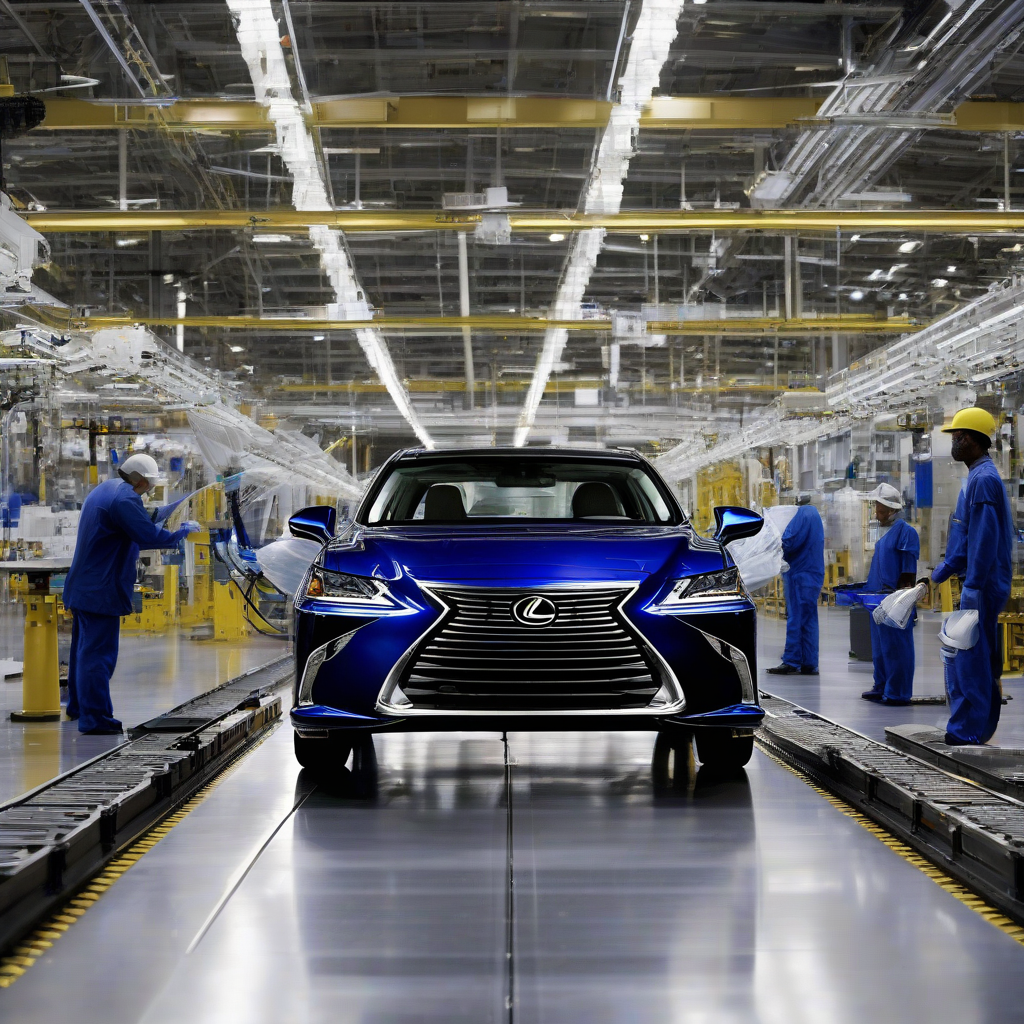
The 2026 Lexus ES 500e represents the luxury automaker’s latest attempt to penetrate the competitive electric sedan market. According to Engadget, while the vehicle succeeds in delivering the traditional Lexus hallmark of a refined, comfortable driving experience, it is built upon electric platform technology that appears out of sync with modern efficiency expectations.
Vehicle Specifications and Charging
While the ES 500e offers a quiet and stable ride quality typical of the Lexus brand, the core limitation lies in its architecture. The charging performance has been identified as a point of contention for potential buyers accustomed to the rapid energy replenishment cycles found in rival electric vehicles. Despite its market-appropriate pricing and overall build quality, the underlying hardware lacks the high-speed, multi-volt efficiency required to remain competitive with the current generation of dedicated EV platforms.
| Feature | Observation |
|---|---|
| Model Year | 2026 |
| Segment | Luxury Sedan |
| Primary Critique | Slow charging performance |
| Build Quality | High |
Industry Context
Lexus, operating under the broader Toyota Motor Corporation umbrella, has traditionally taken a cautious approach to full-electric integration. Unlike competitors that transitioned immediately to bespoke high-voltage architectures, Lexus has utilized versatile platforms. This design philosophy often results in a more familiar interior environment for legacy customers but frequently forces compromises in battery management and charging throughput. While the brand has not released specific figures regarding peak kilowatt (kW) charging speeds for this model, independent evaluations highlight a notable divergence from class-leading benchmarks.
Why It Matters
The introduction of the ES 500e signals a strategic internal tension within the luxury automotive sector. As manufacturers move toward complete electrification, the reliance on legacy platform engineering risks alienating performance-oriented buyers who prioritize charging times as a primary metric. While brand loyalty and ride quality remain strong defensive moats for Lexus, the speed of technology adoption is becoming a decisive factor for market share. If manufacturers fail to match the rapid charging capabilities of industry leaders, they risk relegating their premium offerings to a niche status, serving only those who prioritize brand heritage over current technical specifications.
Reader Discussion & Insights