
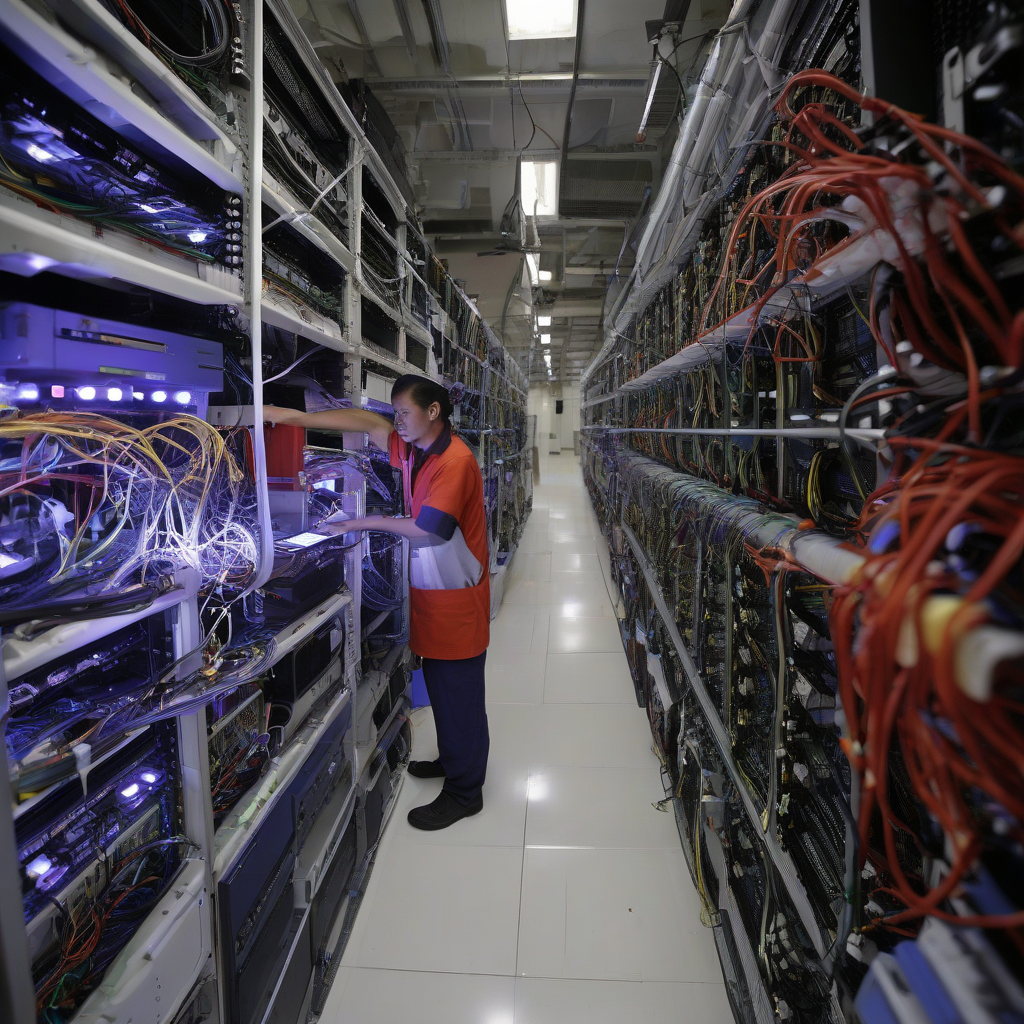
The outsourcing industry in the Philippines is experiencing a fundamental transition as artificial intelligence tools become increasingly integrated into service delivery, according to BBC News — Technology. This technological shift is altering standard operational workflows, creating new challenges for the workforce that has long served as a primary global hub for business process outsourcing (BPO).
While the sector remains a cornerstone of the Philippine economy, the adoption of automated systems is raising concerns regarding the longevity of entry-level positions. As firms deploy software capable of handling tasks previously managed by human agents, employees are reporting uncertainty regarding their professional security. Workers have expressed that the rapid implementation of these technologies has outpaced their ability to adapt, leading some to describe the environment as increasingly precarious.
Industry Outlook
The following table outlines the areas within the BPO sector currently seeing the most significant integration of AI systems based on recent industry observations.
| Operational Area | Impact of AI | Workforce Status |
|---|---|---|
| Customer Support | High | Transitioning |
| Data Entry | High | Automation Risk |
| Administrative Tasks | Moderate | Changing Roles |
Official figures concerning the exact number of jobs impacted remain fluid as companies finalize their annual budgets and operational strategies. Regulatory bodies continue to monitor these developments to determine if current labor laws adequately address the shift toward machine-augmented labor in the service sector.
Why It Matters
The ongoing automation of the Philippine outsourcing sector suggests a wider trend of 'algorithmic displacement' in developing economies. Unlike previous industrial shifts, AI allows for the rapid replacement of complex, cognitive-based tasks. This presents a specific risk to nations that have built their economic stability on the export of human-led services. If the industry fails to pivot toward high-value, AI-assisted roles, there is a risk of significant localized unemployment. The long-term stability of the Philippine economy depends on whether it can transition its human capital from service-execution to AI-management functions at scale.
Reader Discussion & Insights