
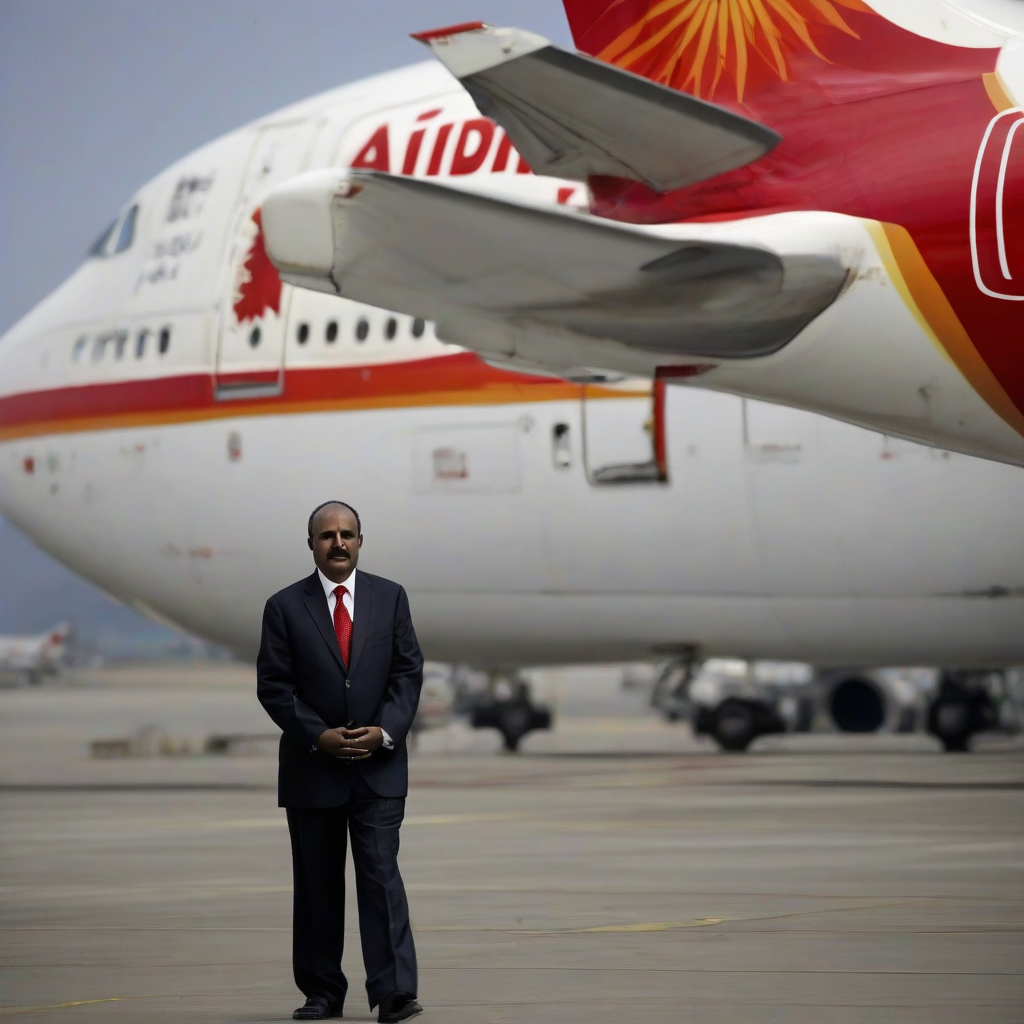
On August 5, 2025, Air India officially announced the appointment of Tewolde Gebremariam as its new Chief Executive Officer. According to AeroTime, the carrier selected Gebremariam due to his proven ability to execute large-scale airline turnarounds and his extensive experience in the sector. His appointment comes as the Tata Group-owned airline shifts its focus toward an accelerated expansion phase.
Gebremariam previously led Ethiopian Airlines Group from January 2011 to March 2022, a tenure characterized by significant growth and fiscal performance. During his leadership, he oversaw the expansion of the regional carrier into Africa’s largest and most profitable aviation group. Official records note that Gebremariam increased the airline's revenue by more than fourfold and expanded its fleet size by nearly threefold before he was succeeded by Mesfin Tasew.
Air India Chairman N. Chandrasekaran noted that the airline has concluded its initial stabilization, fleet commitment, and integration phase under outgoing CEO Campbell Wilson. Wilson, who served for nearly four years, announced his resignation on April 7, 2026. The transition marks a pivot for the carrier as it seeks to professionalize its MRO (Maintenance, Repair, and Overhaul) capabilities and training infrastructure while building more competitive global hubs.
| Executive | Role | Tenure/Event Date |
|---|---|---|
| Tewolde Gebremariam | CEO, Ethiopian Airlines | Jan 2011 - Mar 2022 |
| Campbell Wilson | CEO, Air India (Resignation) | April 7, 2026 |
| Tewolde Gebremariam | CEO, Air India (Appointment) | August 5, 2025 |
Why It Matters
The appointment of a veteran like Gebremariam signals that Air India is moving past its post-privatization internal housekeeping and is now prioritizing aggressive international market share. By hiring a leader who successfully scaled a carrier in a developing economy, Tata Group is likely positioning Air India to compete directly with Middle Eastern legacy carriers. This move suggests an emphasis on establishing efficient maintenance infrastructure and high-density hub connectivity, which are vital for long-term viability in the highly competitive Indian aviation market, where domestic growth remains constrained by infrastructure limitations and heavy competition from low-cost entrants.
Reader Discussion & Insights