
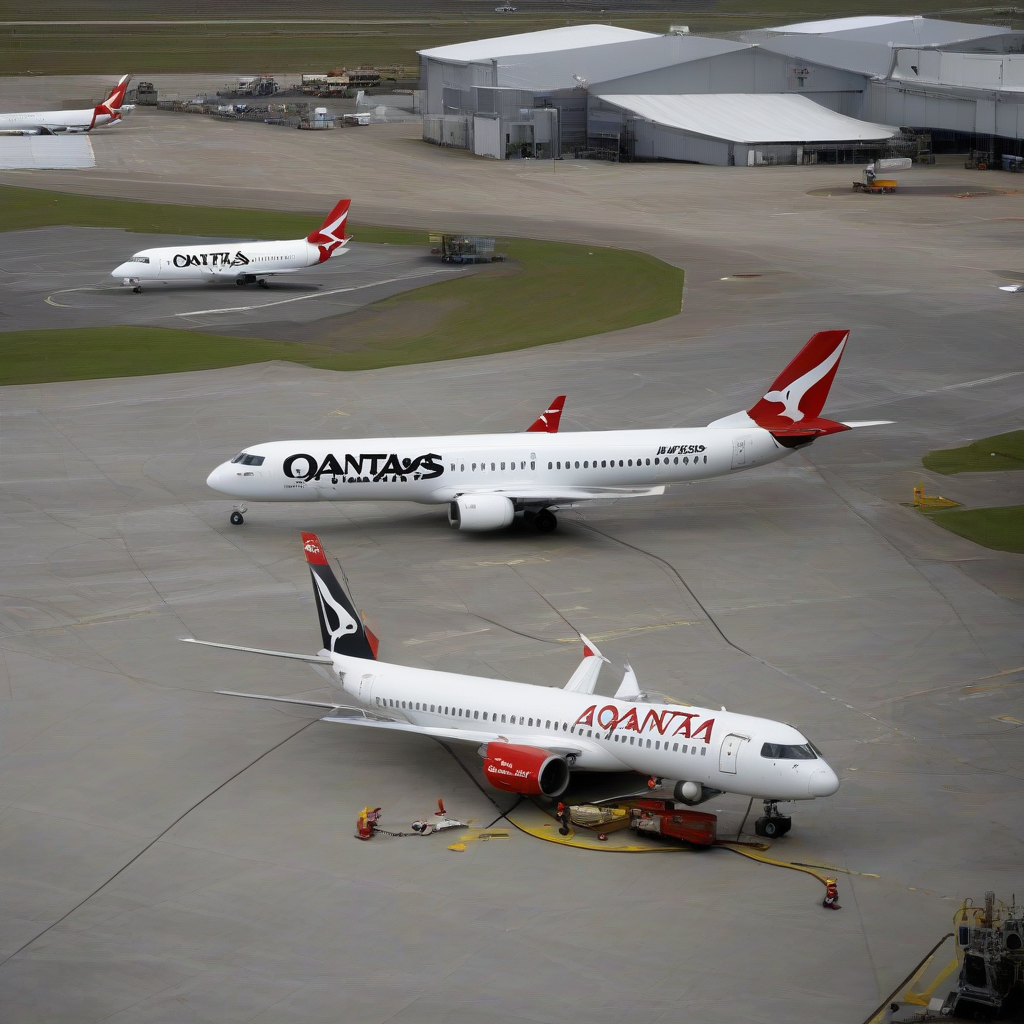
Alliance Aviation has initiated a revision of its long-term wet-lease contract with Qantas, resulting in a reduction of the Embraer 190 fleet dedicated to the flag carrier. According to FlightGlobal, the number of E190 aircraft under the agreement will decrease from 30 to 23, with the transition period extending through June 2027.
This adjustment serves as a cornerstone of Alliance Aviation’s internal restructuring efforts designed to improve operational alignment. By reducing the volume of aircraft leased to Qantas, the company aims to lower committed capital and reallocate assets to other market opportunities. Alliance management indicated that while the fleet size is shrinking, the financial terms of the contract are shifting in their favor. The modified agreement includes a price escalation mechanism and higher base rates, which the company expects to improve profitability.
Wet-Lease Contract Adjustments
| Metric | Prior Status | Revised Status |
|---|---|---|
| Number of E190s | 30 | 23 |
| Contract Term | 7 Years (from 2021) | Through June 2027 |
| Pricing Structure | Standard | Increased with escalation mechanism |
Alliance managing director Stewart Tully described the move as a critical early phase in a broader transformation program. Alongside the fleet reduction, the operator plans to streamline its workforce and operating model to match future demand. A phased consultation process with employees is scheduled to commence in the coming months.
Financially, Alliance maintains its existing full-year profit guidance. For the fiscal year concluding 30 June, the firm projects an underlying pre-tax profit between A$35 and 40 million, equivalent to approximately $24.7 to 28.2 million. Comprehensive details regarding the financial impact of the Qantas contract revision are expected during the company's scheduled financial disclosure on 25 August.
Why It Matters
This reduction highlights a growing trend among regional carriers to prioritize unit margins over absolute fleet size in wet-lease partnerships. By pivoting toward a higher-yield, lower-volume model, Alliance is insulating itself against the volatility of thin regional routes. For the broader industry, the shift suggests that airlines are re-evaluating the efficiency of multi-year outsourcing arrangements as labor costs and capital expenses rise. This strategic move could signal a sector-wide tightening of regional capacity as carriers favor more flexible, higher-margin aircraft deployment over large-scale, fixed-asset commitments.
Reader Discussion & Insights