
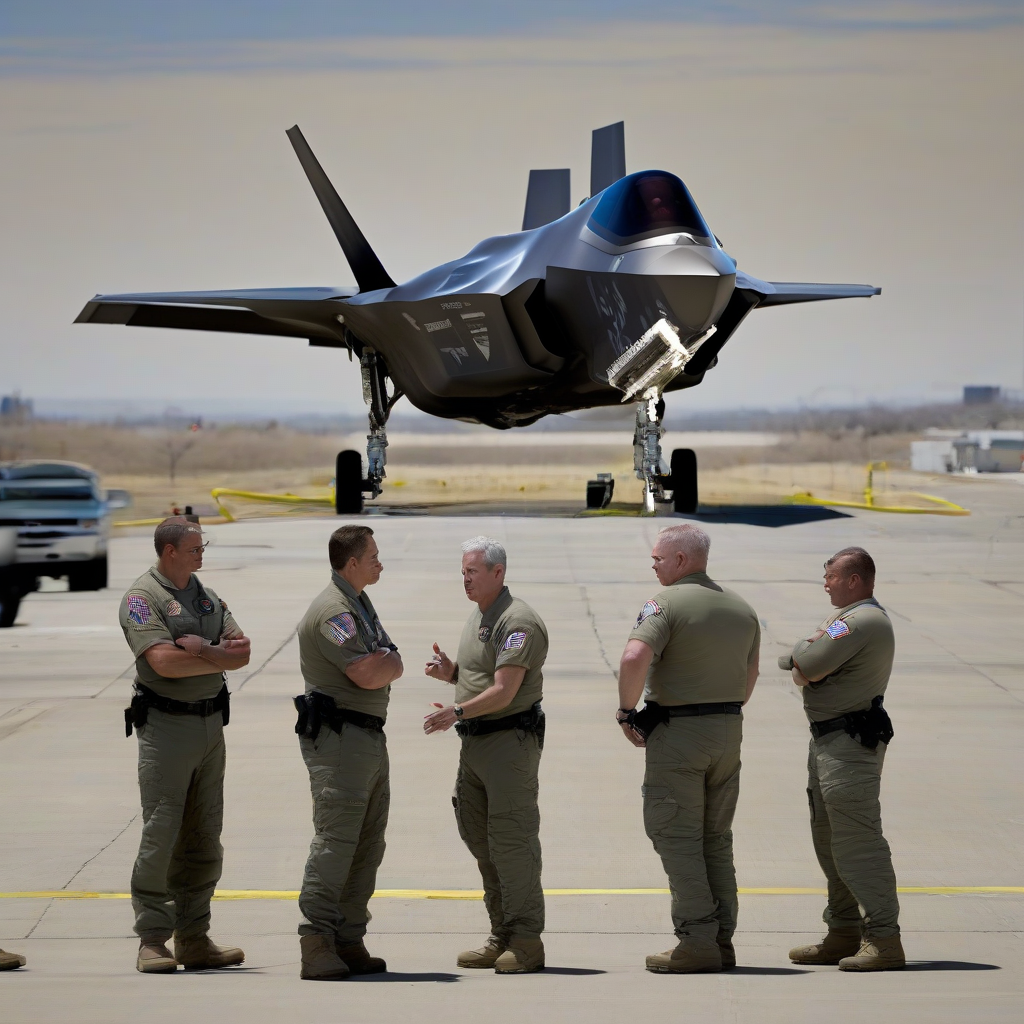
In 2026, the international coalition backing the Lockheed Martin F-35 Joint Strike Fighter program is facing unexpected friction. Multiple allied nations and potential procurement partners are reconsidering their acquisition plans, implementing order reductions, or cancelling prospective acquisitions altogether, according to Simple Flying. The fifth-generation stealth aircraft, officially designated as the F-35 Lightning II, has long been positioned as the primary tactical air platform for the United States and its global partners.
Despite its status as a central pillar of modern Western air defense, the program has encountered hurdles that have prompted defense ministries to review their procurement strategies. While the aircraft is engineered to deliver advanced stealth and sensor fusion capabilities, rising sustainment costs and localized defense budget reallocations have forced several nations to adjust their target inventories.
To understand the scope of the program, the table below outlines the primary variants of the F-35 currently operated or ordered by global partners:
| Variant | Type | Primary Operator | Key Feature |
|---|---|---|---|
| F-35A | Conventional Takeoff and Landing (CTOL) | US Air Force & Export Allies | Highest internal fuel capacity and payload |
| F-35B | Short Takeoff and Vertical Landing (STOVL) | US Marine Corps & Royal Navy | Lift-fan system for amphibious assault ships |
| F-35C | Carrier-based Catapult Assisted Takeoff (CV) | US Navy | Larger wings and reinforced landing gear for carriers |
The F-35 Joint Program Office (JPO), alongside prime contractor Lockheed Martin, continues to manage the production and modernization of the aircraft. Official reports from the US Department of Defense (DoD) indicate that ongoing Block 4 modernization efforts and Technology Refresh 3 (TR-3) software integration challenges have previously impacted delivery schedules. These delays, combined with fluctuating defense budgets globally, have intensified domestic scrutiny in countries weighing the long-term operational costs of maintaining a fifth-generation fleet.
Why It Matters
The reassessment of F-35 acquisitions in 2026 highlights a growing tension between advanced defense capabilities and fiscal sustainability. As allied nations scale back or delay orders, Lockheed Martin faces potential shifts in production economics. This trend could open doors for competitors offering fourth-generation alternatives or domestic fighter programs. Ultimately, the scale of these order adjustments will test the defense industrial base's ability to maintain unit-cost stability while ensuring coalition interoperability remains intact.
Reader Discussion & Insights