
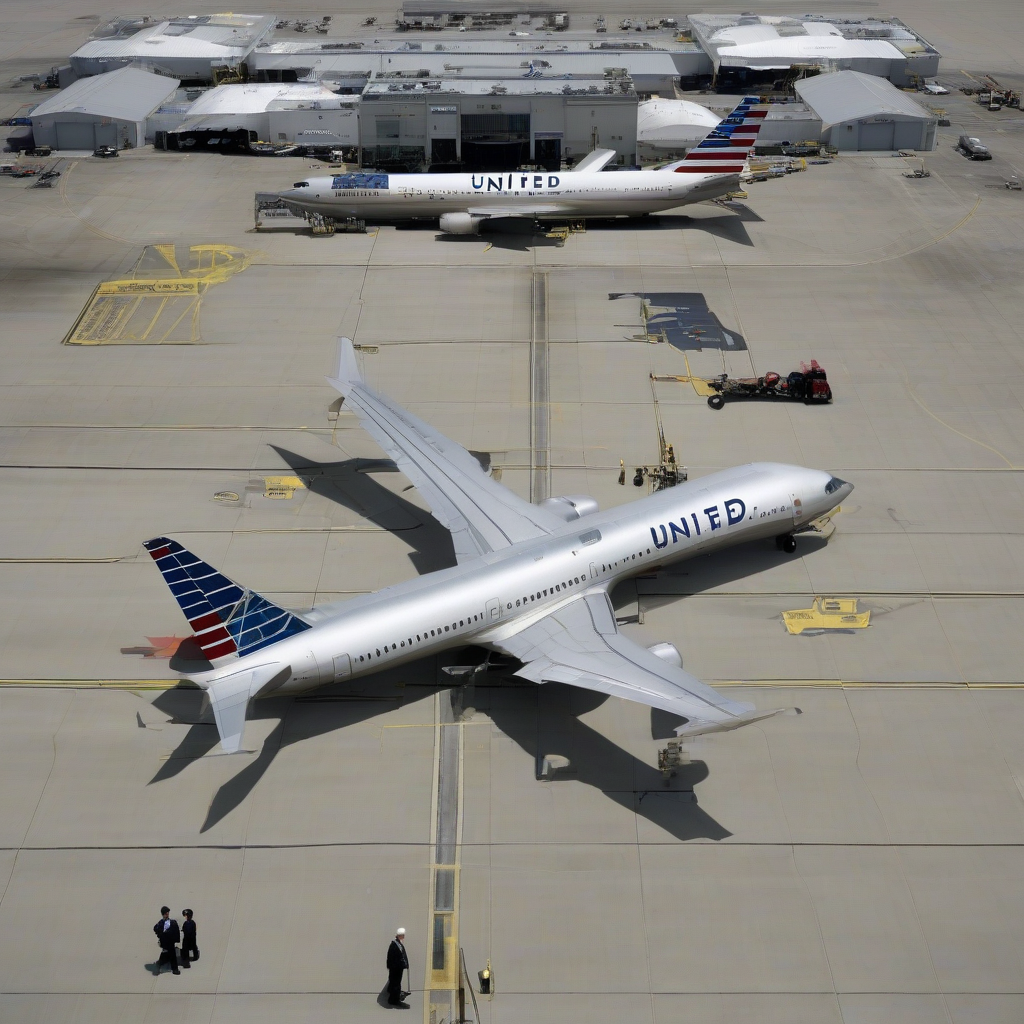
According to North American Airlines, the prospect of a consolidation event involving United and American Airlines is increasingly being viewed as a possibility. Industry analysts are evaluating the feasibility of such a transaction, particularly in light of reports suggesting that the current presidential administration maintains an openness toward high-profile corporate acquisitions.
While no formal filings have been submitted to the Department of Justice or the Securities and Exchange Commission, the discussion centers on whether the regulatory environment might permit a merger of this scale. Historically, airline consolidation has faced significant scrutiny from federal antitrust regulators, and any attempt to combine two major domestic carriers would likely trigger extensive reviews regarding market competition and consumer pricing.
Potential Merger Market Implications
| Feature | Industry Standard | Merger Considerations |
|---|---|---|
| Market Share | Highly Fragmented | Significant Consolidation |
| Regulatory Body | DOJ / DOT | Extensive Antitrust Review |
| Competitive Impact | High | Monopoly Concerns |
Why It Matters
The aviation industry operates on razor-thin margins and faces persistent volatility in fuel costs and labor relations. A combination of the scale discussed would represent a seismic shift in domestic capacity and gate access. If a deal were to proceed, the secondary effects would reach far beyond the balance sheets of the individual companies, potentially forcing a total restructuring of legacy hub dominance at major international airports. Such a transaction would test the limits of current competition policies and could signal a move toward a more centralized, oligopolistic airline sector in the United States.
Reader Discussion & Insights