
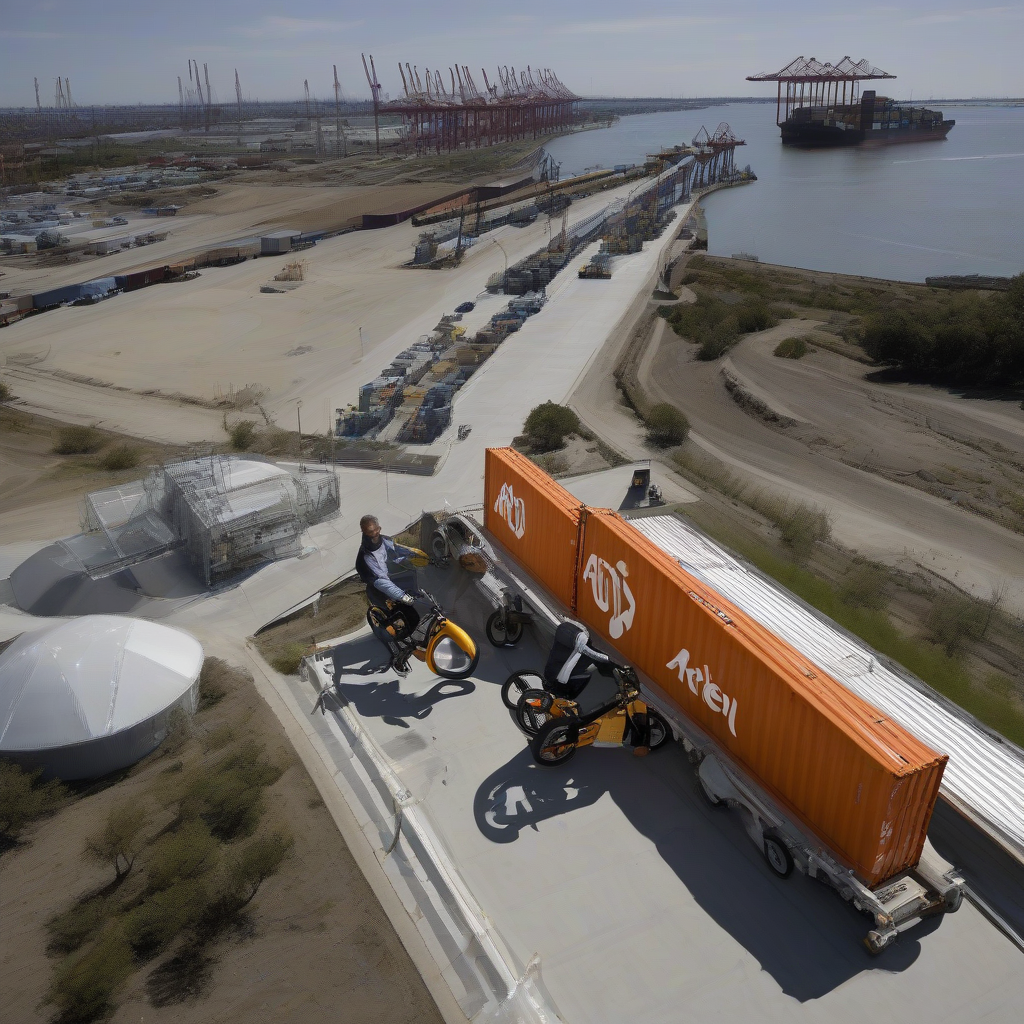
The emergence of high-performance electric two-wheelers like the Ariel Rider MUDD is prompting a re-evaluation of current vehicle classifications, according to IEEE Spectrum. As manufacturers push the boundaries of speed and power, these machines are occupying a gray area between traditional bicycles and motorized motorcycles, complicating compliance with existing transportation laws.
Vehicle Performance and Regulatory Ambiguity
The Ariel Rider MUDD exemplifies a new category of electric vehicles that prioritize power and torque, often exceeding the thresholds typically associated with pedal-assist e-bikes. While standard e-bikes are generally limited by motor wattage and top speed to qualify for bicycle-lane access, units like the MUDD utilize hardware configurations that mirror those found in light electric motorcycles.
| Feature Type | Typical E-Bike Standard | Ariel Rider MUDD Class |
|---|---|---|
| Speed Limit | 20-28 mph | High-Performance |
| Motor Power | 250W - 750W | Enhanced |
| Regulatory Status | Bicycle Path | Uncertain/Restricted |
Regulatory bodies, including the Department of Transportation (DOT) and local municipal agencies, are currently struggling to categorize these "e-bikes on steroids." The lack of a unified federal standard for high-output electric two-wheelers creates significant hurdles for both riders and law enforcement when determining where these vehicles are legally permitted to operate.
Why It Matters
The rapid integration of high-powered electric two-wheelers into urban environments necessitates a modernized regulatory framework. Current legislation often relies on outdated definitions that fail to account for advancements in motor efficiency and battery energy density. If jurisdictions do not establish clear, enforceable standards, they risk creating a safety crisis that could lead to widespread bans, ultimately stifling the adoption of sustainable urban mobility. Clear categorization is essential for infrastructure planning, insurance underwriting, and the long-term viability of the micro-mobility sector.
Reader Discussion & Insights