
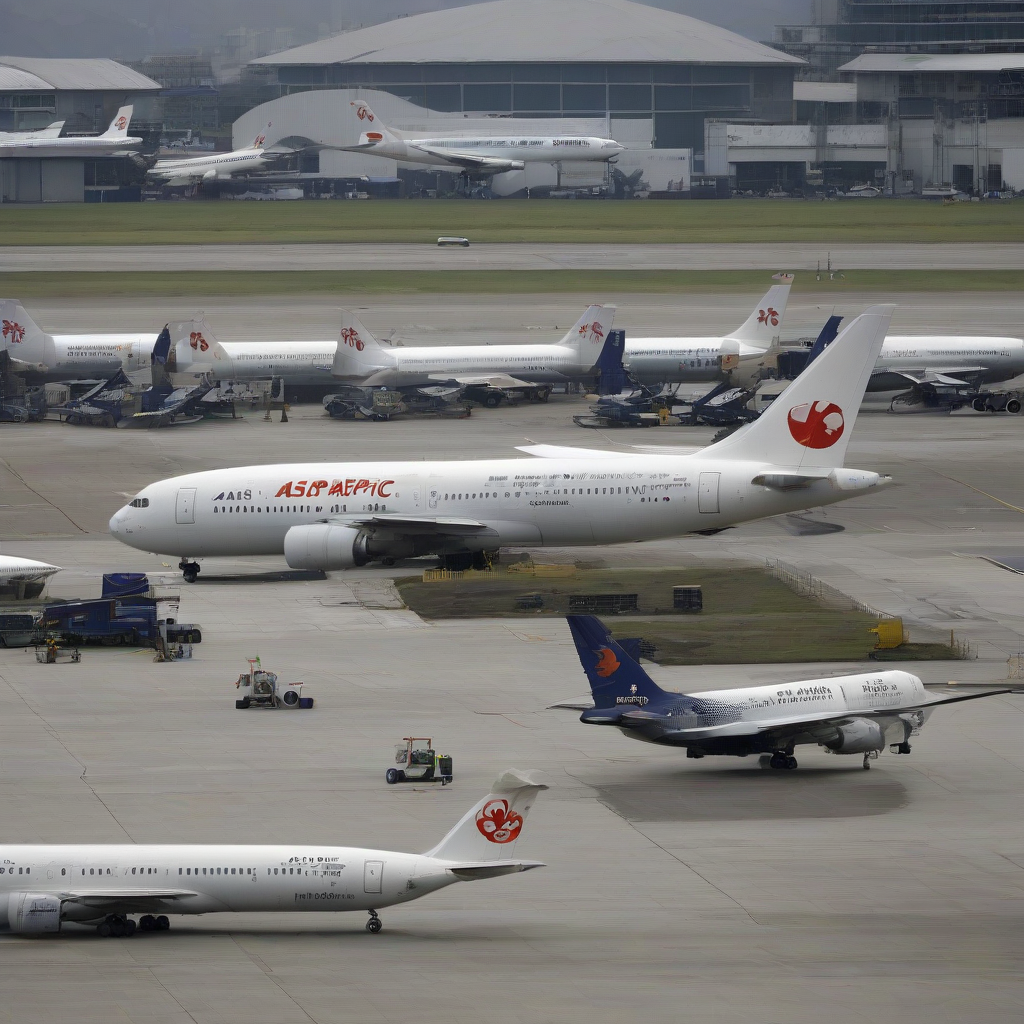
According to FlightGlobal, passenger traffic across the Asia-Pacific region has recorded its second consecutive monthly decline. Data provided by the Association of Asia Pacific Airlines (AAPA) reveals that regional carriers transported 30.5 million passengers in June, reflecting a 1.1% year-on-year decrease.
While short-haul and regional demand has softened, the AAPA noted that international traffic grew by 1.1% during the month, suggesting that long-haul travel maintains some level of resilience. However, the sector is struggling with elevated airfares and limited capacity growth. During June, capacity increased by only 0.3%, which resulted in an overall passenger seat load factor of 82.6%, an increase of 0.7 percentage points compared to the same period in the previous year.
June 2026 Traffic Metrics
| Metric | June 2026 Figure | Year-on-Year Change |
|---|---|---|
| Total Passengers | 30.5 million | -1.1% |
| Passenger Traffic | N/A | +1.1% |
| Capacity | N/A | +0.3% |
| Seat Load Factor | 82.6% | +0.7 percentage points |
Operational headwinds remain a concern for regional leadership. AAPA director general Wong Hong cited fuel price volatility and geopolitical uncertainty as primary factors influencing the market. Beyond passenger transport, cargo demand experienced a year-on-year increase, driven largely by shipments related to AI semiconductors and specialized hardware, which in turn improved freight load factors.
Wong Hong stated that combined pressures—specifically moderate business confidence and shifting trade policies—could further temper future growth in both travel and air cargo segments.
Why It Matters
The sustained cooling of the Asia-Pacific aviation market signals a transition away from the post-pandemic recovery phase. As airlines adjust their operational strategies to match higher fuel costs, the industry is becoming increasingly sensitive to macroeconomic fluctuations. For the broader economy, the slowdown in regional passenger connectivity may limit trade-related travel, while the reliance on semiconductor-related cargo highlights a structural shift where aviation revenue is becoming more dependent on the high-tech supply chain rather than consumer leisure travel.
Reader Discussion & Insights