
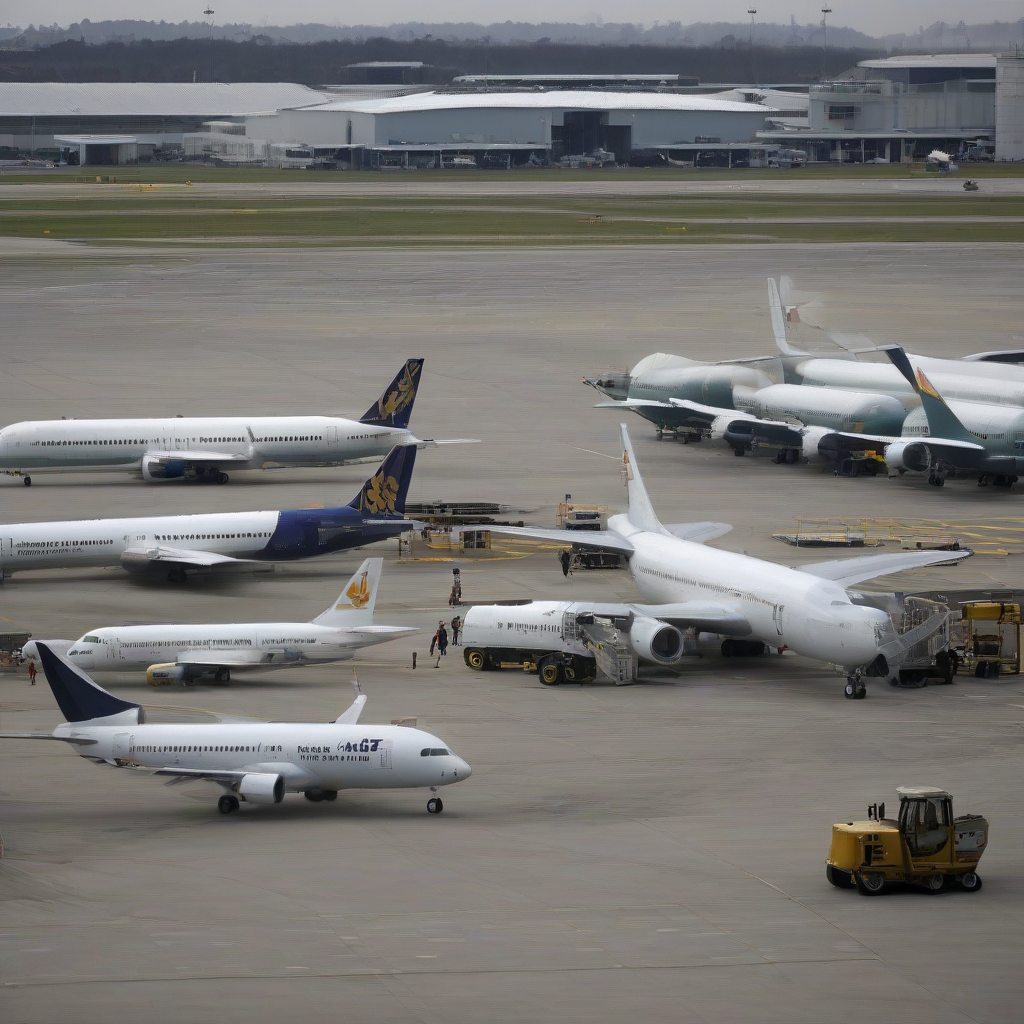
Major aviation hubs across Asia faced significant operational challenges today as a series of flight cancellations and delays rippled through the continent. According to Travel And Tour World, the disruptions resulted in a total of 3,747 affected flights, prompting concerns regarding regional air traffic reliability.
The widespread disruption primarily impacted high-traffic international airports, including key facilities in Singapore, Dubai, Riyadh, Bangkok, and Delhi. Airport operators and airlines are managing a complex operational environment as geopolitical tensions continue to affect airspace accessibility and scheduling efficiency.
Disruption Data Summary
| Disruption Type | Total Count |
|---|---|
| Flight Cancellations | 207 |
| Flight Delays | 3,540 |
| Total Affected | 3,747 |
Data indicates that the vast majority of these issues manifest as delays rather than outright cancellations, suggesting that while safety protocols are being strictly maintained, the flow of transit through these major transit corridors has slowed considerably. Aviation authorities and national regulators are currently monitoring the situation to determine if additional flight paths must be adjusted or if current scheduling can be maintained under heightened security postures.
Why It Matters
The ripple effect of these disruptions extends far beyond the individual passengers stranded in terminals. Major hubs like Singapore and Dubai serve as essential nodes in global supply chains and long-haul transit. When these centers face significant delays, the efficiency of international business travel and time-sensitive air cargo logistics suffers. This event highlights the extreme sensitivity of modern "hub-and-spoke" airline models to regional instability. As carriers attempt to re-route traffic, the strain on secondary airports and crew duty-time regulations will likely increase, potentially leading to cascading delays that persist long after the initial geopolitical triggers are managed.
Reader Discussion & Insights