
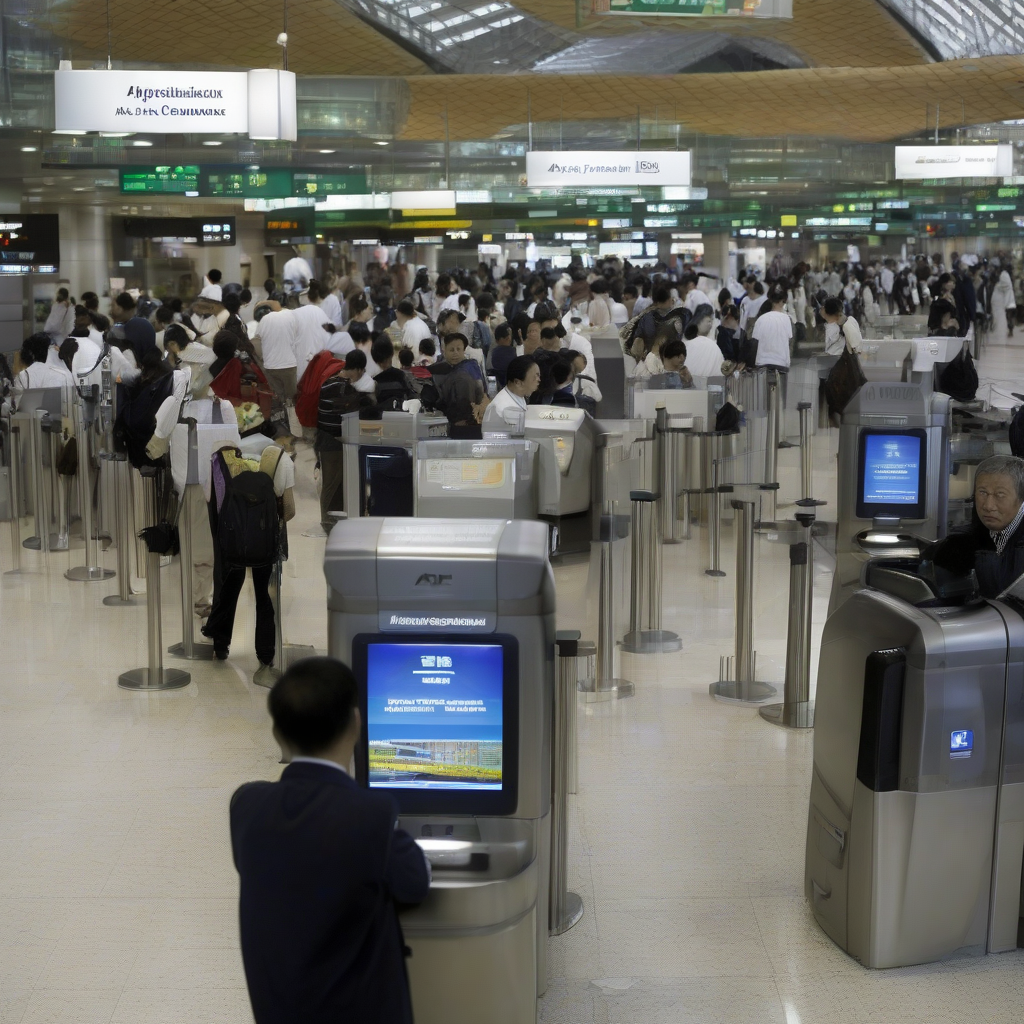
China and major Asian tourism destinations are actively expanding their digital payment architectures to accommodate international visitors, according to Travel And Tour World. This shift seeks to remove friction from local spending by integrating global financial standards with existing regional mobile payment networks.
Digital Integration Data
The initiative addresses long-standing barriers for tourists attempting to navigate domestic payment systems. By modernizing these platforms, authorities intend to enhance transaction speed and ease of use for overseas travelers.
| Feature | Objective |
|---|---|
| Payment Accessibility | Simplify local transactions for foreigners |
| Transaction Speed | Reduce wait times at retail and tourism sites |
| System Integration | Align digital wallets with international cards |
According to the report cited (TTW-1946355-1785885400), the movement is characterized by a transition toward cashless ecosystems that prioritize interoperability. Tourism boards across the region are working alongside private sector financial institutions to ensure that these digital tools are accessible upon arrival.
Why It Matters
The transition to a fully cashless tourism model in Asia signals a major shift in how the global hospitality industry manages visitor revenue. By digitizing the payment process, these markets gain granular data on tourist spending habits, allowing for better-targeted marketing and service optimization. However, this shift places the burden of security on local payment operators to ensure international user data remains protected. If successful, this model could set a standard for digital-first tourism in emerging markets, forcing global travel providers to reconsider how they partner with domestic fintech firms.
Reader Discussion & Insights