
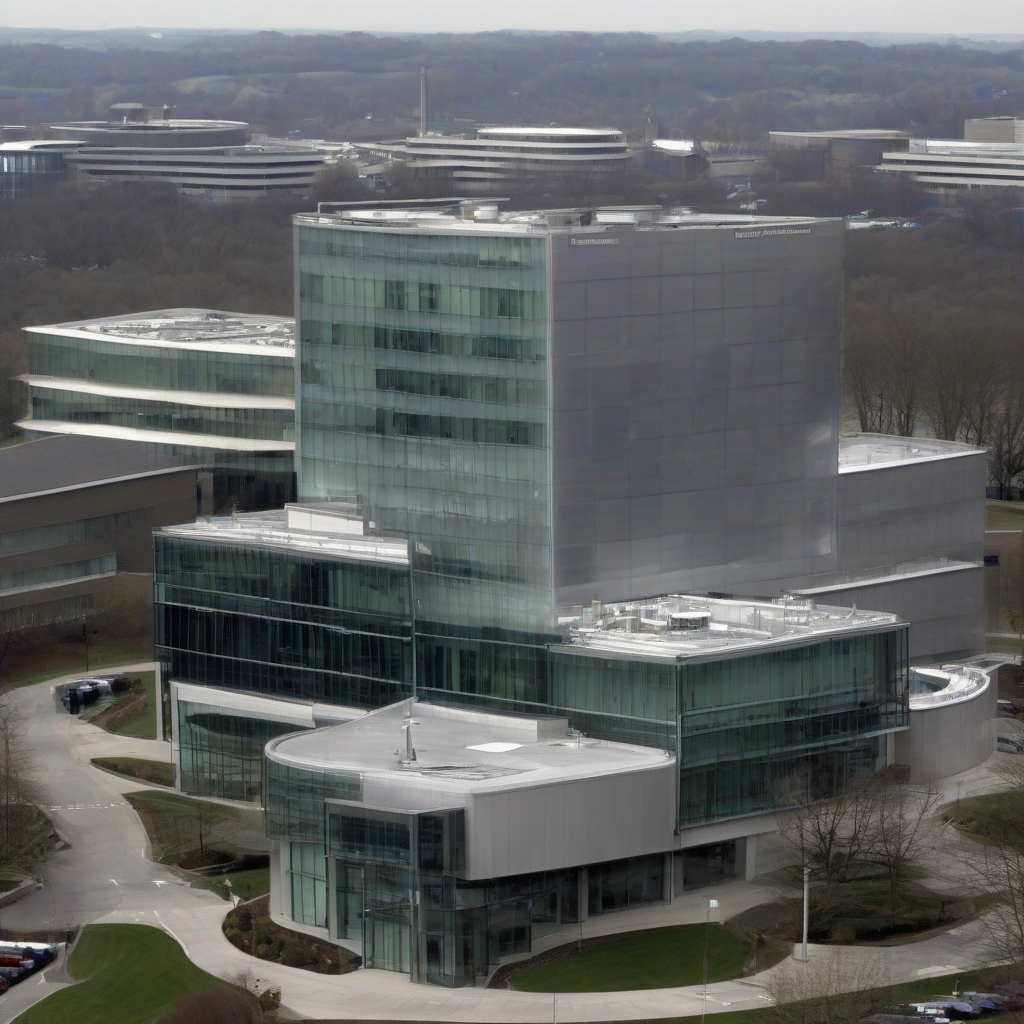
AstraZeneca is currently engaged in exploratory discussions with Bristol Myers Squibb regarding a potential corporate combination valued at approximately $400 billion, according to Mergers & Acquisitions. While official confirmations from either pharmaceutical entity remain pending, the report suggests a high-level dialogue that would represent one of the largest consolidations in the history of the healthcare sector.
The proposed deal, if realized, would see two of the world's most significant drug developers pool their resources and pipelines. Investors and market analysts are currently evaluating the implications of a transaction of this magnitude, which would fundamentally alter the competitive dynamics of global pharmaceutical manufacturing and oncology research.
Transaction Summary
| Attribute | Detail |
|---|---|
| Potential Acquirer | AstraZeneca |
| Potential Target | Bristol Myers Squibb |
| Transaction Valuation | $400 billion |
| Reporting Source | Mergers & Acquisitions |
As of now, neither company has filed statements with the U.S. Securities and Exchange Commission (SEC) to confirm the existence of these negotiations. Investors are tracking public filings for any indication of formal advisory roles or merger agreements that might solidify these speculative reports.
Why It Matters
A tie-up between these two organizations would create an unprecedented concentration of intellectual property in the oncology and immunology spaces. By combining AstraZeneca’s expansive global reach with Bristol Myers Squibb’s advanced immunotherapy portfolio, the resulting entity would possess a research budget that dwarfs most national biomedical R&D programs. However, such a merger would likely face extreme scrutiny from the Federal Trade Commission (FTC) and European competition authorities due to the potential for market monopolization in critical therapeutic drug classes, potentially forcing significant divestitures of existing patent portfolios to receive regulatory approval.
Reader Discussion & Insights