
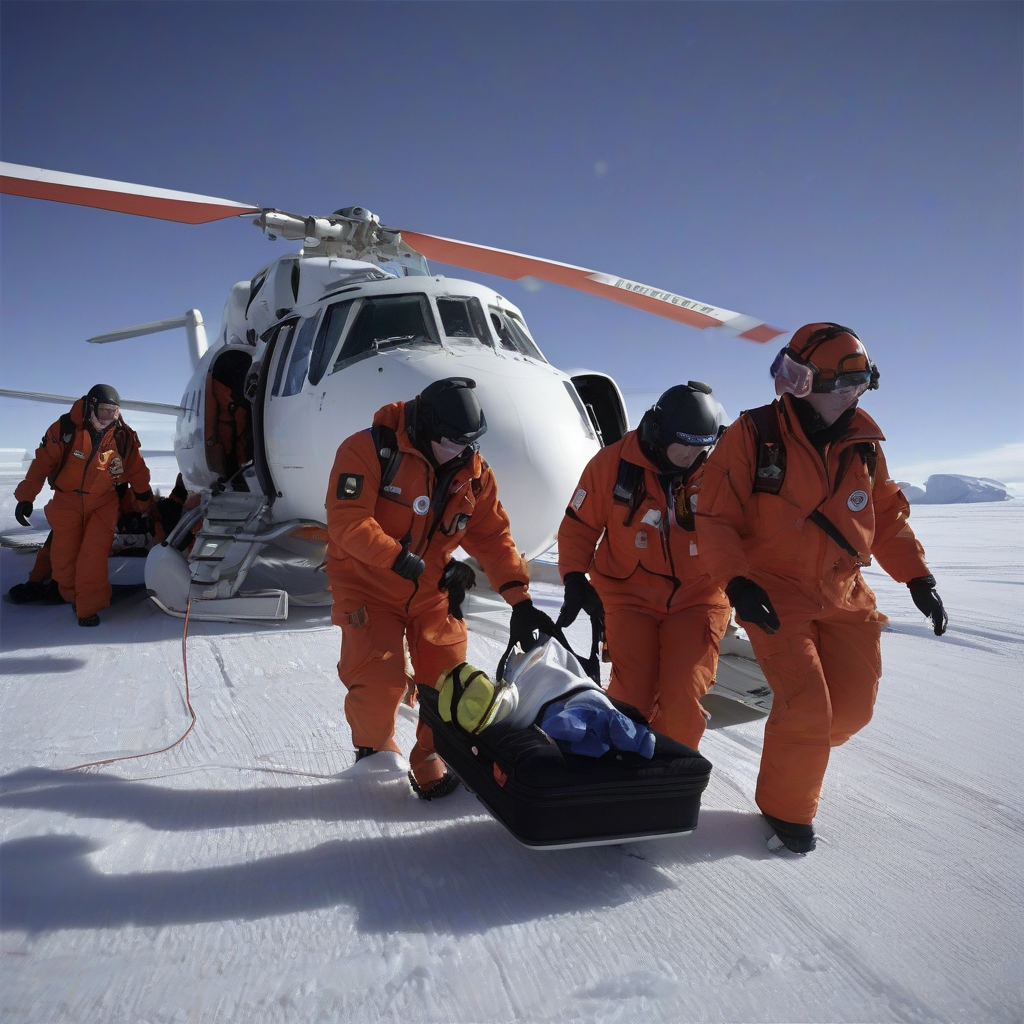
A specialized aviation team successfully executed an emergency medical evacuation from the remote McMurdo Station in Antarctica, according to BBC News — World. The mission required the crew to land an aircraft in conditions of total darkness while contending with severe environmental hazards, including temperatures plummeting to -43°C.
Operational Specifications
The logistical execution of the flight required precise coordination to ensure the safety of the patient and the flight crew during the austral winter. Below are the key environmental and operational figures regarding the mission:
| Metric | Detail |
|---|---|
| Location | McMurdo Station |
| Minimum Temperature | -43°C |
| Mission Conditions | Total Darkness |
Such operations in Antarctica remain rare due to the logistical intensity of maintaining landing strips during the winter season. The successful recovery highlights the specialized training required for polar aviation, where equipment failure or meteorological shifts pose immediate threats to safety.
Why It Matters
This mission demonstrates the reliance of scientific outposts on high-stakes aviation support. While Antarctica lacks permanent residency, the international community relies on the viability of air bridges to support long-term research initiatives. As climate research becomes a priority, the capability to maintain these emergency lifelines ensures that national programs can staff remote stations year-round. This operation serves as a reminder of the narrow margin for error in polar logistics, where specialized infrastructure must remain functional despite the extreme, hostile environment of the continent.
Reader Discussion & Insights