
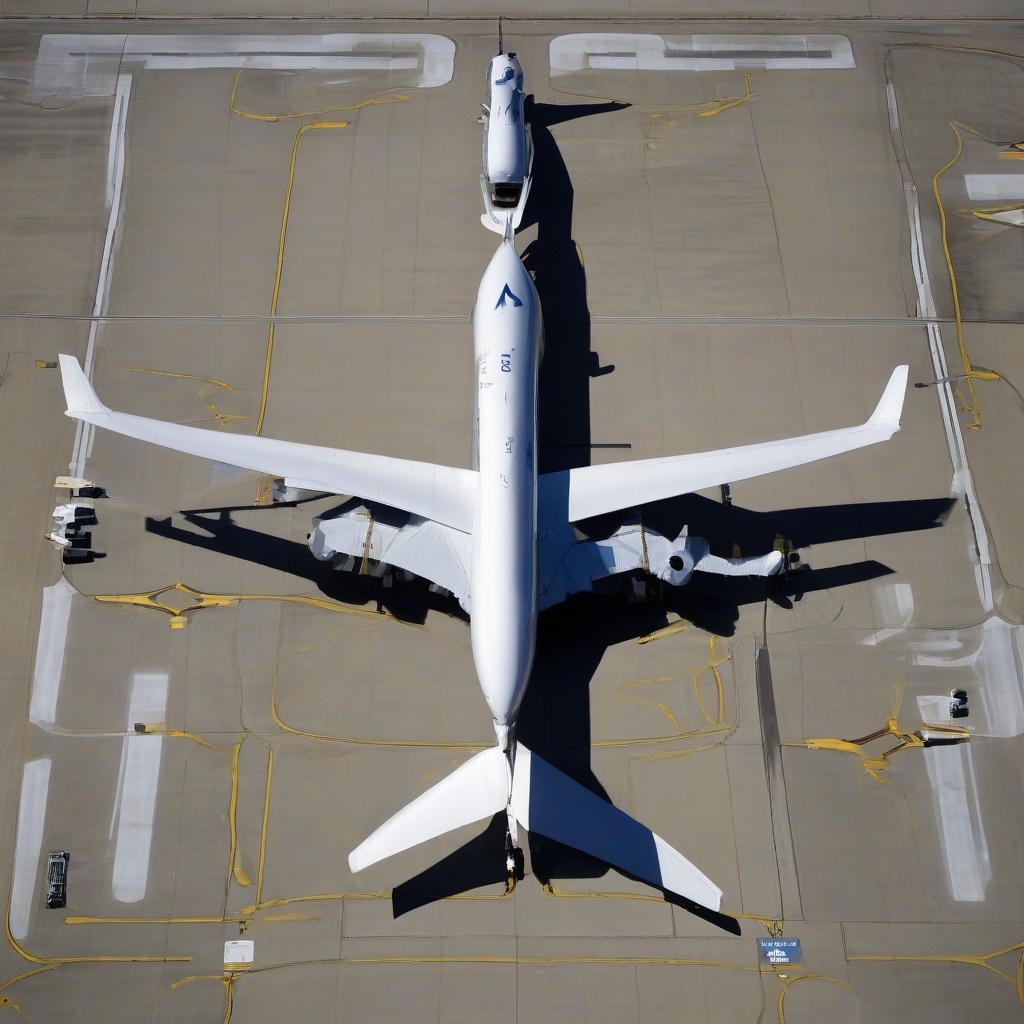
The aviation industry is responding to the volatility of jet fuel costs by committing $3 billion to the development of alternative energy sources, including biofuels derived from obscure fruit crops. According to SAF News, this capital infusion aims to stabilize long-term fuel expenditure for major carriers as traditional petroleum-based energy remains subject to significant market fluctuations.
Financial and Operational Data
The following table outlines the scale of the current investment and its intended focus within the aviation energy sector.
| Category | Detail | Value |
|---|---|---|
| Investment Commitment | Total Capital Allocated | $3,000,000,000 |
| Primary Focus | Non-traditional Biofuel | Unknown Fruit Source |
| Industry Objective | Fuel Price Stabilization | Mitigation of Risk |
These resources are being funneled into research and supply chain development to scale production. While the specific fruit source remains proprietary to the involved entities, the scale of the $3 billion investment underscores the pressure airlines face regarding operational overhead. The move aligns with broader efforts by international aviation bodies to diversify energy portfolios and move away from pure reliance on crude oil derivatives.
Why It Matters
The $3 billion move represents a transition in how airlines manage variable costs. Historically, fuel surcharges have been the primary method for insulating margins against price spikes. By owning the production pathway of sustainable fuels derived from non-traditional biomass, carriers may be able to hedge against geopolitical energy risks. This shift indicates that the commercial aviation sector is moving beyond mere carbon-reduction goals toward achieving vertical integration in fuel supply to ensure long-term operational survival.
Reader Discussion & Insights