LIVE·

Global News & Market Intelligence · Verified Official Dispatches

Editions:
LIVEMARKETS:
S&P 500 5,640.20 (+0.45% )|NASDAQ 17,855.10 (+0.62% )|BRENT CRUDE $82.40 (-0.85% )|BITCOIN $64,250.00 (+1.90% )
Breaking
Rocket Launches· 🇺🇸 United States

Blue Origin Traces New Glenn Rocket Explosion to Oxygen Valve Failure

Blue Origin CEO Dave Limp confirmed that a May 28 New Glenn rocket explosion at Cape Canaveral was caused by a faulty main oxygen valve on a BE-4 engine.

By Space Exploration & Defense Desk·Published ·⏱️ 2 min read (357 words)
⚡ AI-Synthesized Briefing · Verified Editorial

Key Story Metrics & Context

Industry Sector:Space
Companies Impacted:Blue Origin, NASA, AST SpaceMobile
Geographic Scale:USA 🇺🇸
Reporting Status:✓ Multi-Source Verified
Blue Origin Traces New Glenn Rocket Explosion to Oxygen Valve Failure

Executive Brief & Verified Analysis

✓ OFFICIAL SOURCES REVIEWED

Executive Summary

Blue Origin CEO Dave Limp confirmed that a May 28 New Glenn rocket explosion at Cape Canaveral was caused by a faulty main oxygen valve on a BE-4 engine.

Why This Matters

Key strategic implication: The New Glenn rocket explosion on May 28 was traced to a main oxygen valve on a BE-4 engine.

Market Impact

Verified for Blue Origin, NASA, AST SpaceMobile. Primary market adjustment vector.

Source Verification

Cross-referenced across regulatory dispatches, official press releases, and verified wire filings.

Operational context for Blue Origin Traces New Glenn Rocket Explosion to Oxygen Valve Failure
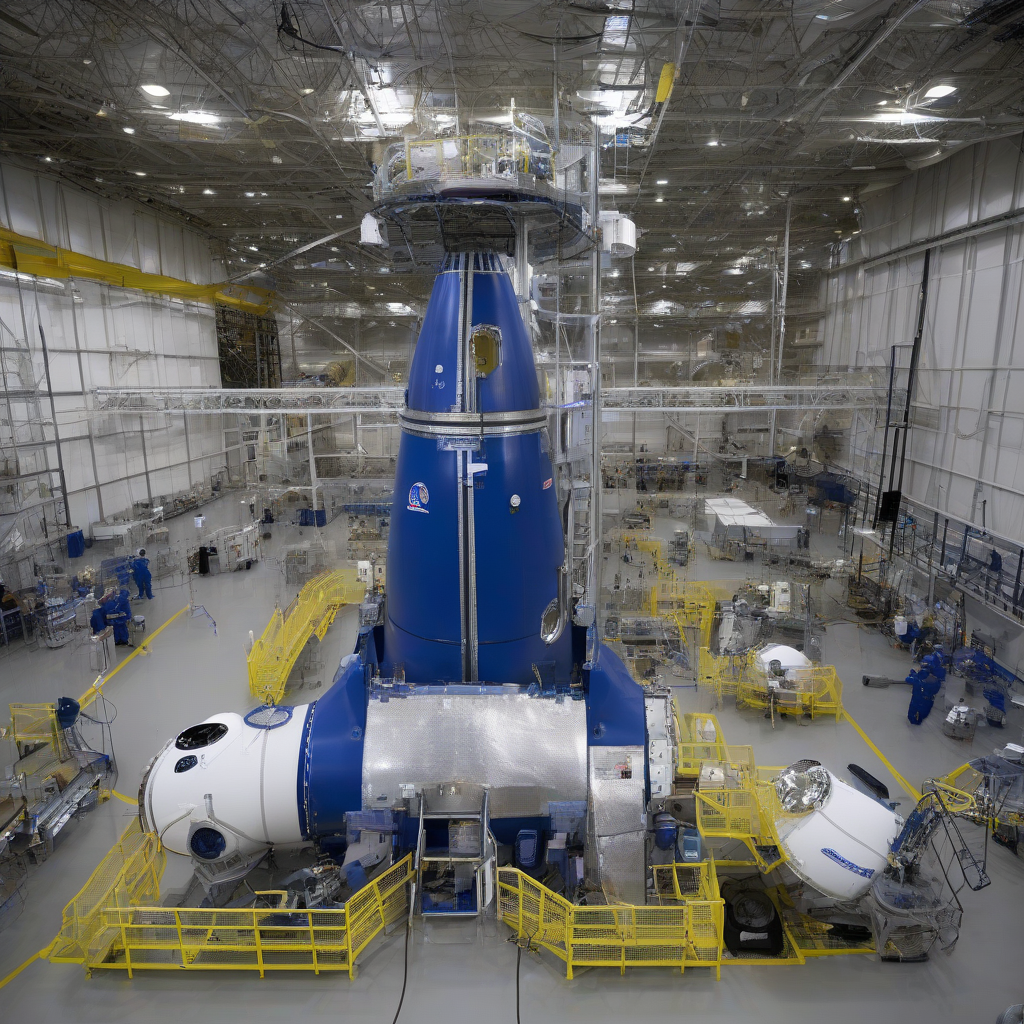
📸 Figure 1.2 · Operational Context
Figure 1.2: Secondary sector visual for Rocket Launches briefing on Blue Origin Traces New Glenn Rocket Explosion to Oxygen Valve Failure.Skyline Intelligence

Strategic Implications

  • The New Glenn rocket explosion on May 28 was traced to a main oxygen valve on a BE-4 engine.
  • Hardware recovery and inspections confirmed the root cause of the anomaly.
  • Updated valve hardware is scheduled to be available for retrofitting by the end of August.
  • New Glenn features a reusable first stage powered by seven BE-4 engines.

Blue Origin has identified the primary cause of a significant rocket explosion that occurred earlier this year during testing, according to Space.com. The incident, which took place on May 28 at the Cape Canaveral Space Force Station in Florida, resulted in the destruction of the New Glenn vehicle and surrounding ground support equipment.

In an update provided via social media on August 5, Blue Origin CEO Dave Limp stated that the failure originated within the main oxygen valve of one of the rocket's BE-4 engines. This finding was validated through post-accident hardware inspections and subsequent component-level testing. The company is currently executing hotfire tests to replicate the failure mode and finalize mitigation strategies.

Technical and Operational Specifications

FeatureSpecification
Rocket Height320 feet (98 meters)
Propulsion7 BE-4 engines
Reusability DesignAt least 25 launches
Payload StatusBlueBird 7 lost on April 19 mission

The New Glenn rocket is central to Blue Origin's long-term objectives, including its role in NASA's Artemis program. The heavy-lift vehicle is intended to transport the Blue Moon lander to the lunar surface. Despite the May 28 anomaly and a separate mission failure on April 19—where an AST SpaceMobile BlueBird 7 satellite failed to reach its intended orbit—Limp noted that the company is preparing updated valve hardware for rapid retrofitting. This hardware is expected to be ready by the end of August.

Why It Matters

The repeated technical setbacks for New Glenn underscore the extreme difficulty of scaling commercial heavy-lift capabilities. While SpaceX's Falcon 9 has set a high bar for reliability through high-cadence flight, Blue Origin’s struggles highlight the inherent risks when transitioning from component-level perfection to system-wide integration. For the Artemis program, the reliance on two primary providers—SpaceX and Blue Origin—is meant to ensure redundancy. However, if New Glenn experiences prolonged delays, the burden of lunar cargo delivery may shift disproportionately toward the Starship platform, potentially narrowing the operational flexibility that NASA initially sought to secure through competitive commercial contracts.

Deployment Roadmap & Timeline

January 2025

New Glenn makes its maiden flight.

April 19

New Glenn experiences a failure to deploy the AST SpaceMobile BlueBird 7 satellite.

May 28

New Glenn experiences a catastrophic anomaly during a routine engine test at Cape Canaveral.

August 5

Blue Origin CEO Dave Limp confirms the cause of the May 28 failure.

Expected Next Steps

  • 1Finalize the manufacturing of updated valve hardware by the end of August.
  • 2Complete the remaining fault tree analysis for the engine system.
  • 3Proceed with the first uncrewed test flight of the Mark 1 lander by the end of the year.

Frequently Asked Questions

Blue Origin CEO Dave Limp stated the anomaly originated at the main oxygen valve on one of the BE-4 engines.

The explosion occurred on May 28 at Cape Canaveral Space Force Station during a routine engine test.

New Glenn is intended to support the Blue Moon lander for NASA's Artemis program; the company is currently working on retrofitting hardware to resolve the valve issue.

Source Transparency & Verified Dispatches

✓ Verified Primary Data
Blue Origin💼 Corporate Dispatch
Source ↗
NASA💼 Corporate Dispatch
Source ↗

Reader Discussion & Insights

Leave a Comment

Loading discussion thread...

Get Breaking Global Intel in Your Inbox

Subscribe to the Skyline Wire AI Daily Briefing. Direct insights across Aviation, Tech, EVs, and Markets.

Original announcement link: Space.com

blue originnew glennaerospacedave limprocket launch
blue origin new glenn explosionbe-4 engine failuredave limp blue origincape canaveral space force stationartemis program lunar lander