LIVEยท

Global News & Market Intelligence ยท Verified Official Dispatches

Editions:
LIVEMARKETS:
S&P 500 5,640.20 (+0.45% โ–ฒ)|NASDAQ 17,855.10 (+0.62% โ–ฒ)|BRENT CRUDE $82.40 (-0.85% โ–ผ)|BITCOIN $64,250.00 (+1.90% โ–ฒ)
Breaking
BMWยท ๐ŸŒ Global

BMW Group Integrates Artificial Intelligence into Crash Simulations

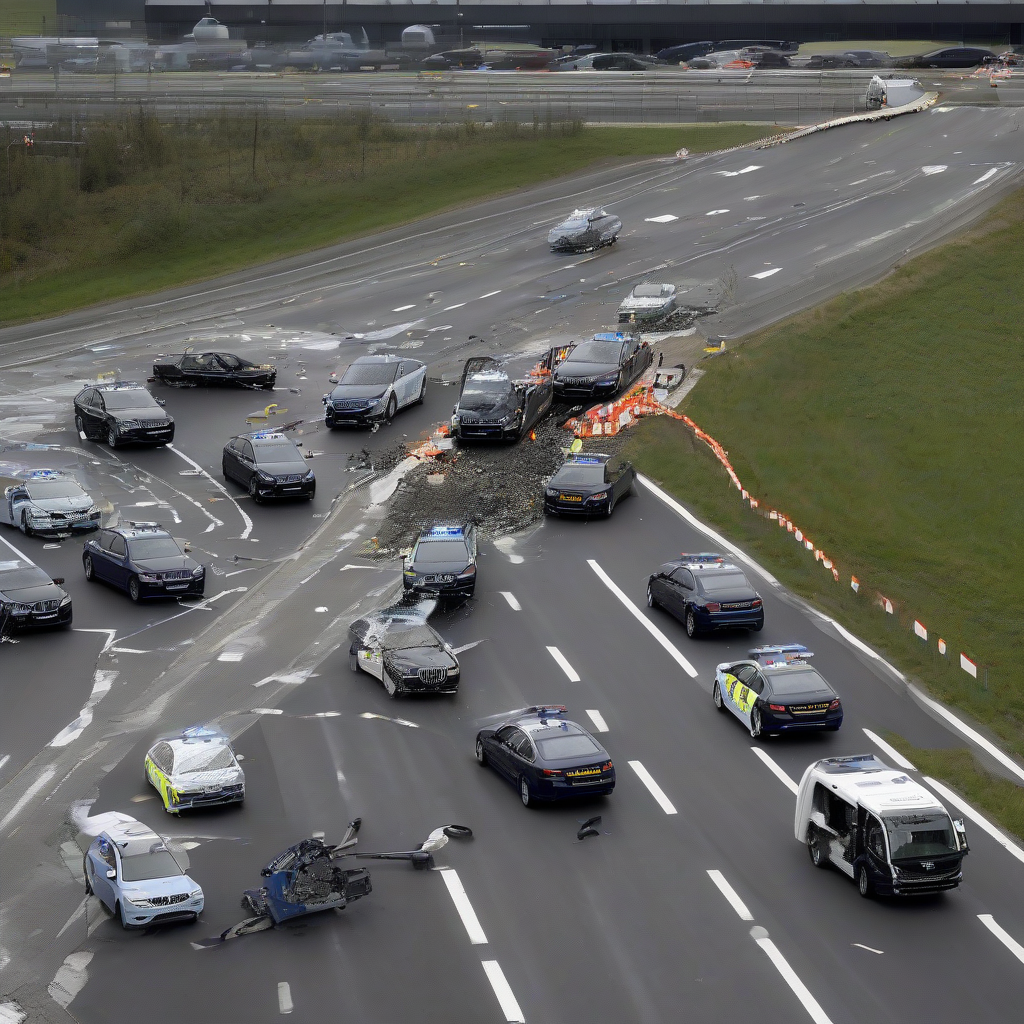
BMW Group is deploying artificial intelligence to refine crash test simulations, aiming to enhance safety protocols through advanced digital modeling and data analytics.

By Skyline Wire Newsroom ยท Published Source: BMW Group ยท Verified Reporting

Key Story Metrics & Context

Industry Sector:Automotive, Artificial Intelligence
Companies Impacted:BMW Group
Geographic Scale:Germany ๐Ÿ‡ฉ๐Ÿ‡ช
Reporting Status:โœ“ Multi-Source Verified
BMW Group Integrates Artificial Intelligence into Crash Simulations

Executive Brief & Verified Analysis

โœ“ OFFICIAL SOURCES REVIEWED

Executive Summary

BMW Group is deploying artificial intelligence to refine crash test simulations, aiming to enhance safety protocols through advanced digital modeling and data analytics.

Why This Matters

Key strategic implication: BMW Group has integrated AI into its official crash simulation processes.

Market Impact

Verified for BMW Group. Primary market adjustment vector.

Source Verification

Cross-referenced across regulatory dispatches, official press releases, and verified wire filings.

Strategic Implications

  • โœ“BMW Group has integrated AI into its official crash simulation processes.
  • โœ“The AI implementation allows for high-volume virtual collision analysis.
  • โœ“Virtual modeling is used to optimize vehicle structures prior to physical production.

BMW Group has officially incorporated artificial intelligence into its vehicle crash simulation processes, marking a transition toward more efficient and predictive safety testing. According to BMW Group, the implementation of these intelligent systems allows engineers to analyze collision impacts with higher precision by automating complex data processing tasks that were previously manual.

The deployment of AI tools is designed to accelerate the development cycle of new vehicle architectures. By utilizing machine learning algorithms, the company can perform thousands of virtual crash scenarios, reducing the necessity for time-consuming physical test configurations. These digital models incorporate detailed material physics to ensure that virtual results align closely with real-world outcomes.

Technical Implementation Summary

FeatureApplication Area
Data ProcessingAutomated collision impact analysis
Simulation CapacityHigh-volume virtual crash scenarios
Analytical FocusMaterial physics and structural integrity

Official technical documentation from the manufacturer indicates that these tools are integrated into the wider vehicle development workflow. By shifting the focus toward virtual verification, the engineering team aims to optimize the safety structure of vehicle platforms before the first physical prototype is manufactured. This methodology aligns with modern automotive engineering standards that prioritize data-driven development.

Why It Matters

The integration of AI into crash safety testing represents a fundamental shift in how global automotive manufacturers manage product liability and development timelines. By drastically increasing the number of virtual simulations, companies can identify structural weaknesses earlier in the design phase. This not only improves passenger safety but also reduces costs associated with physical testing failures. As software becomes a primary driver of vehicle innovation, manufacturers that effectively utilize AI for crash modeling will likely gain a competitive advantage in time-to-market metrics and safety ratings.

Expected Next Steps

  • 1Expanded integration of AI across all future vehicle platform designs.
  • 2Increased focus on predictive material failure analysis using machine learning.
  • 3Scaling virtual simulation capacity to accommodate modular architecture requirements.

Frequently Asked Questions

BMW Group uses AI to automate complex data analysis and perform thousands of virtual crash scenarios to predict vehicle performance.

The primary benefit is an accelerated development cycle and the ability to identify structural weaknesses before physical prototypes are built.

While AI significantly optimizes virtual testing, it serves as a sophisticated tool for engineering validation rather than a total replacement for all physical crash tests.

Source Transparency & Verified Dispatches

โœ“ Verified Primary Data
โœ“
BMW Group๐Ÿ’ผ Corporate Dispatch
Source โ†—

Reader Discussion & Insights

Leave a Comment

Loading discussion thread...

Get Breaking Global Intel in Your Inbox

Subscribe to the Skyline Wire AI Daily Briefing. Direct insights across Aviation, Tech, EVs, and Markets.

Original announcement link: BMW Group

bmwartificial-intelligencecrash-testingautomotive-engineeringsafety-innovation
bmw group crash simulationsai in automotive engineeringvehicle safety testingvirtual crash modelingbmw artificial intelligence