
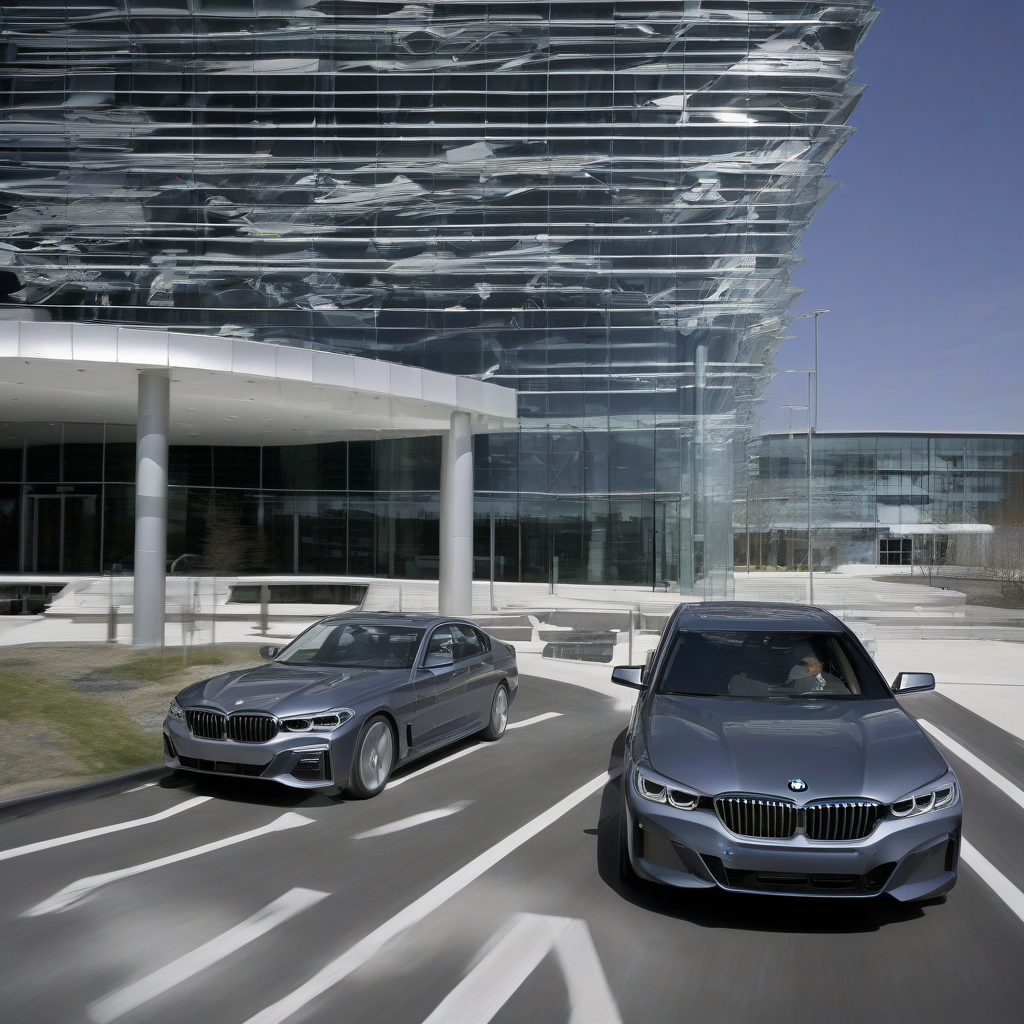
BMW Group has provided an overview of its Highway Assistant technology, detailing how the system operates to support motorists during highway travel. According to BMW Group, the Highway Assistant is engineered to provide specific steering and speed management support, aimed at reducing the physical strain on drivers during long-distance transits.
The system is designed for use on controlled-access roadways. It combines adaptive cruise control functions with steering intervention to maintain the vehicle’s position within its lane. This functionality allows the driver to remove their hands from the steering wheel for extended periods, provided that they remain attentive to traffic conditions and prepared to retake control of the vehicle immediately if the system requests it.
Technical and Operational Parameters
The integration of the Highway Assistant relies on a suite of sensors and camera inputs. Below is a summary of the core operational parameters defined by the manufacturer for the current implementation of this technology:
| Feature | Operational Capability |
|---|---|
| Primary Function | Lateral and longitudinal vehicle control |
| Road Type | Controlled-access highway infrastructure |
| Driver Role | Continuous observation and readiness |
| Activation | Integrated steering and speed management |
Why It Matters
The deployment of Highway Assistant technology by BMW represents a strategic movement toward Level 2+ driver automation. Unlike fully autonomous systems, this technology places the primary burden of safety on the human operator, creating a shift in how driver engagement is managed in high-speed environments. The industry, including competitors such as Mercedes-Benz and Tesla, continues to grapple with the regulatory balance between increasing comfort through automation and ensuring that drivers do not become overly reliant on these digital assistants. As these systems move from premium to standard offerings, the automotive industry faces significant hurdles in standardizing human-machine interface (HMI) protocols to prevent cognitive disengagement.
Reader Discussion & Insights