LIVEΒ·
SkylineWire Logo

SkylineWire

Global News & Market Intelligence Β· Verified from Official Dispatches

Editions:
Home
LIVEMARKETS:
S&P 500 5,640.20 (+0.45% β–²)|NASDAQ 17,855.10 (+0.62% β–²)|BRENT CRUDE $82.40 (-0.85% β–Ό)|SAF FUEL $2,140/t (+1.2% β–²)
BreakingDeveloping Storyβœ“ Verified Reporting
Aircraft· 🌍 Global

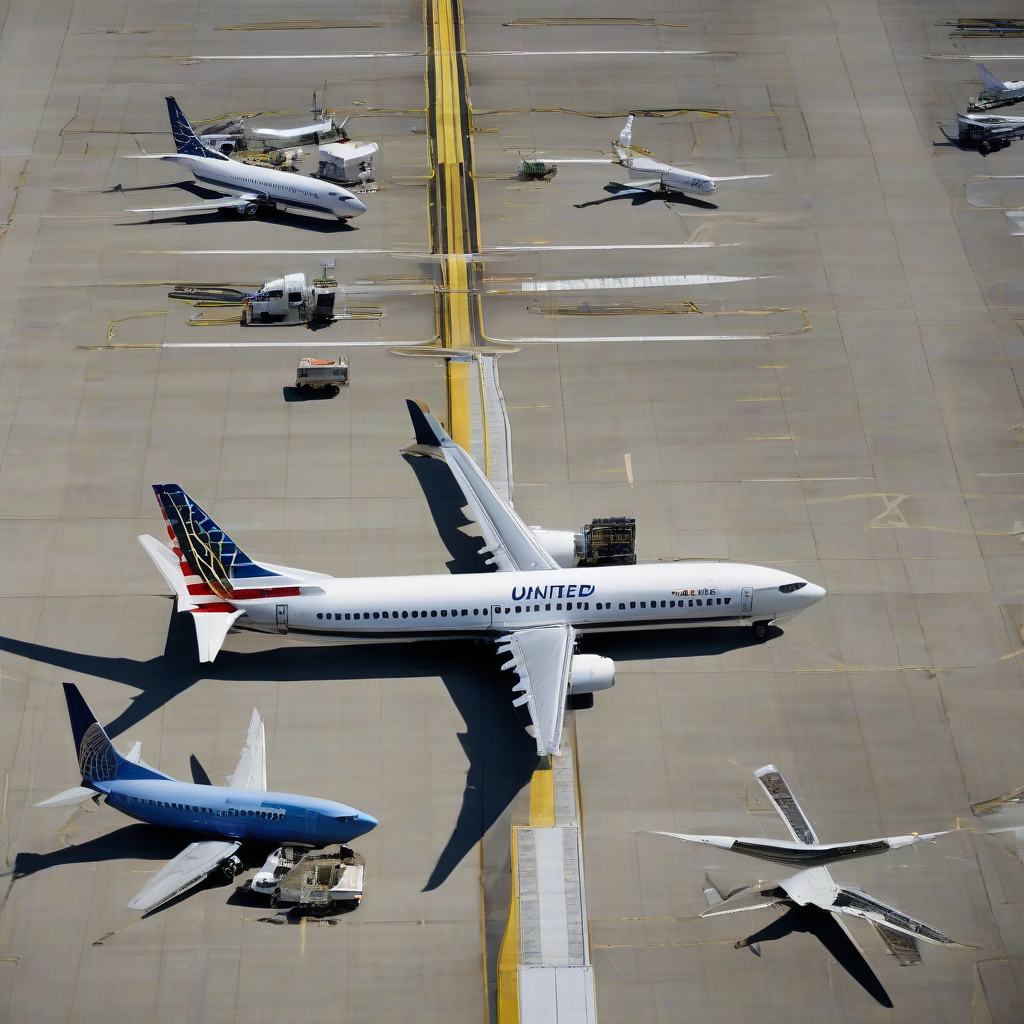
Boeing 737 Weight Distribution and Tail-Heavy Risk Factors Explained

The Boeing 737, a cornerstone of aviation since the 1960s, possesses unique design characteristics that influence its center of gravity compared to other jetliners.

By Skyline Wire Newsroom Β· Published Source: Simple Flying Β· Verified Reporting

Key Story Metrics & Context

Industry Sector:Commercial Aviation
Companies Impacted:Boeing
Geographic Scale:USA πŸ‡ΊπŸ‡Έ
Reporting Status:βœ“ Multi-Source Verified
Boeing 737 Weight Distribution and Tail-Heavy Risk Factors Explained

Executive Brief & Verified Analysis

βœ“ OFFICIAL SOURCES REVIEWED

Executive Summary

The Boeing 737, a cornerstone of aviation since the 1960s, possesses unique design characteristics that influence its center of gravity compared to other jetliners.

Why This Matters

Key strategic implication: The Boeing 737 family has been in production since the late 1960s.

Market Impact

Verified for Boeing. Primary market adjustment vector.

Source Verification

Cross-referenced across regulatory dispatches, official press releases, and verified wire filings.

Strategic Implications

  • βœ“The Boeing 737 family has been in production since the late 1960s.
  • βœ“The aircraft was originally designed to complement the Boeing 707 and 727.
  • βœ“Generational evolution includes Original, Classic, Next Generation (NG), and 737 MAX.
  • βœ“The 737 requires careful weight distribution management to avoid tail-heavy conditions.

The Boeing 737 remains the most successful and longest-running jetliner family manufactured by Boeing, according to Simple Flying. Originally conceived in the late 1960s to serve as a short-to-medium-haul counterpart to the larger 707 and 727 models, the aircraft has undergone significant generational shifts over the last several decades. These iterations have progressed from the Original series to the Classic, Next Generation (NG), and the most recent 737 MAX family.

While the platform is a staple of global aviation, its specific airframe geometry and historical design choices create distinct operational considerations regarding weight and balance. Compared to other jetliners of similar size, the 737 exhibits a particular susceptibility to becoming tail-heavy during loading and flight operations. This characteristic is inherently linked to the physical placement of its engines, landing gear configuration, and overall fuselage dimensions established during the aircraft's initial development phase.

737 Generational Overview

GenerationIntroduction Era
OriginalLate 1960s
Classic1980s
Next Generation (NG)1990s
737 MAXModern

Operational guidelines from regulatory bodies such as the FAA emphasize the importance of weight and balance monitoring to ensure that the center of gravity remains within the manufacturer's specified flight envelope. For the 737, ground crews must strictly adhere to load sheets to prevent exceeding tail-tipping thresholds, particularly when boarding or deplaning without proper support.

Why It Matters

The susceptibility of the 737 to tail-heavy loading profiles highlights the tension between legacy design efficiency and modern operational requirements. As airlines push for higher capacity and more versatile ground operations, the rigid center-of-gravity limitations of the 737 underscore the ongoing need for precise automated loading systems. From an industry perspective, these constraints influence airport ground handling procedures, turnaround efficiency, and training requirements for flight crews globally. Understanding these mechanical limitations is essential for maintaining safety standards as the global 737 fleet continues to provide the backbone for short-haul connectivity.

Deployment Roadmap & Timeline

1960s

Boeing introduces the first 737 models.

1980s

Introduction of the 737 Classic series.

1990s

Introduction of the 737 Next Generation (NG) series.

Expected Next Steps

  • 1Continued monitoring of 737 MAX flight performance.
  • 2Ongoing training for ground crews on load balancing.
  • 3Further integration of digital load management software in airline fleets.

Frequently Asked Questions

It is the most successful and longest-running jetliner family produced by Boeing, first introduced in the late 1960s.

The 737 has evolved through the Original series, the Classic series, the Next Generation (NG) series, and the 737 MAX family.

The susceptibility is due to its specific airframe design, engine placement, and landing gear configuration relative to its fuselage.

Source Transparency & Verified Dispatches

βœ“ Verified Primary Data
βœ“
BoeingπŸ’Ό Corporate Dispatch
Source β†—
βœ“
FAAπŸ›οΈ Government / Regulatory
Source β†—

Reader Discussion & Insights

Leave a Comment

Loading discussion thread...

Get Breaking Global Intel in Your Inbox

Subscribe to the Skyline Wire AI Daily Briefing. Direct insights across Aviation, Tech, EVs, and Markets.

Original announcement link: Simple Flying

boeing737aviationaerodynamicsaircraft-design
boeing 737 center of gravityboeing 737 tail heavyaircraft weight and balance737 max seriesboeing jetliner historyaviation safetyground handling procedures