
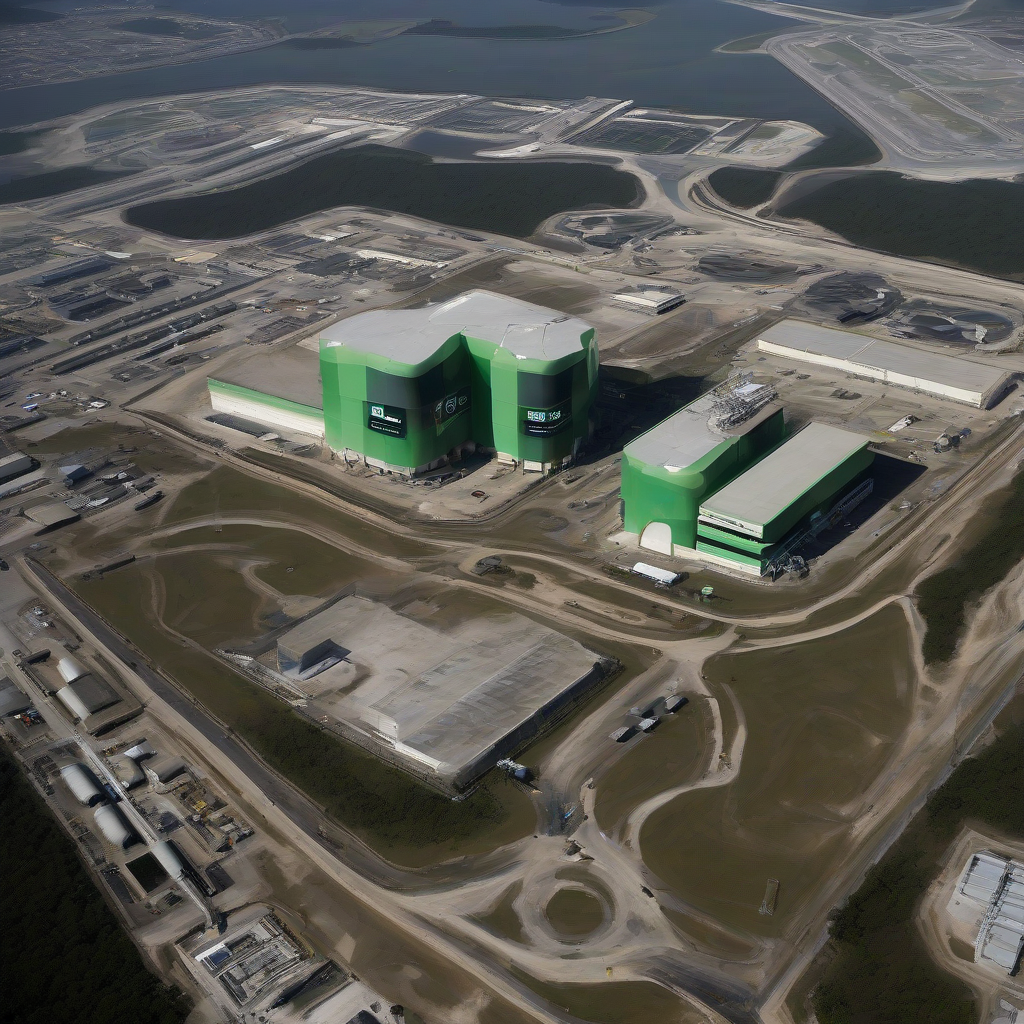

According to OilPrice.com, the Bumerangue discovery by BP represents a significant development for the energy sector in Brazil, with the potential to extend the nation's production capabilities well into the 2030s. This ultra-deepwater project is currently being evaluated for its capacity to replace declining output from existing assets.
The project is defined by its substantial size and scale within the pre-salt region. Current projections indicate that the site holds approximately 2.5 billion barrels of potentially recoverable oil. Should development proceed as planned, peak production at the Bumerangue field is estimated to reach 600,000 b/d. This output is expected to arrive at a time when other major pre-salt projects in Brazil begin to move off their production plateaus.
Project Specifications
| Feature | Data |
|---|---|
| Estimated Recoverable Reserves | 2.5 billion barrels |
| Estimated Peak Production | 600,000 b/d |
| Asset Type | Ultra-deepwater |
| Strategic Timeline | Through the 2030s |
Why It Matters
The Bumerangue project serves as a critical hedge against the natural depletion rates of mature offshore fields. By anchoring long-term production through the 2030s, this discovery helps stabilize national energy revenue and provides a consistent feedstock for global markets. Furthermore, the reliance on high-capacity, ultra-deepwater assets signals that global majors are continuing to prioritize large-scale, capital-intensive projects in proven basins. This development highlights a continued shift in the industry toward maximizing recovery from established offshore hubs rather than prioritizing high-risk frontier exploration in the current price environment.
Reader Discussion & Insights