
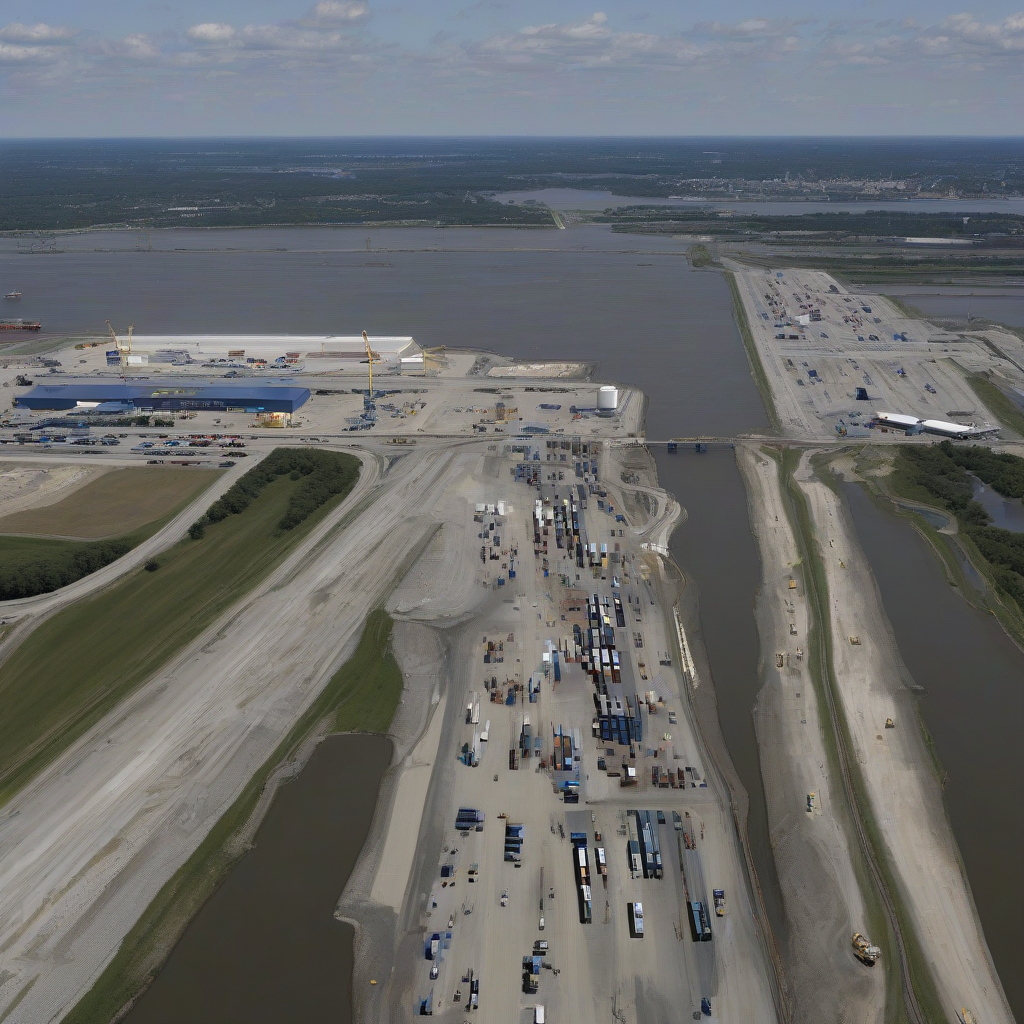
Braen Stone has officially introduced a waterborne transport initiative for aggregate materials, aiming to refine supply chain operations within the New York and New Jersey corridor, according to Shipping News.
This logistics shift represents a transition from traditional land-based trucking methods to waterway-based freight movement. By utilizing maritime routes, the company expects to manage heavy construction material loads more efficiently, reducing dependence on regional road networks. This operational change is designed to accommodate the heavy volume of aggregates required for infrastructure projects across the metropolitan area.
Operational Overview
| Metric | Description |
|---|---|
| Company | Braen Stone |
| Region | New York / New Jersey |
| Logistics Mode | Waterborne Aggregate Transport |
| Primary Objective | Supply chain optimization |
Why It Matters
The pivot toward waterborne logistics for construction aggregates signals a necessary shift for dense urban corridors like New York and New Jersey. As highway congestion increases and road maintenance costs escalate, high-volume material providers are increasingly forced to seek alternatives to long-haul trucking. Moving aggregates via water not only mitigates local road wear but also provides a more scalable solution for large-scale construction projects that require consistent, massive material throughput. This movement likely serves as a blueprint for other suppliers operating in regions with significant maritime infrastructure, potentially lowering costs and carbon footprints over the long term.
Reader Discussion & Insights