
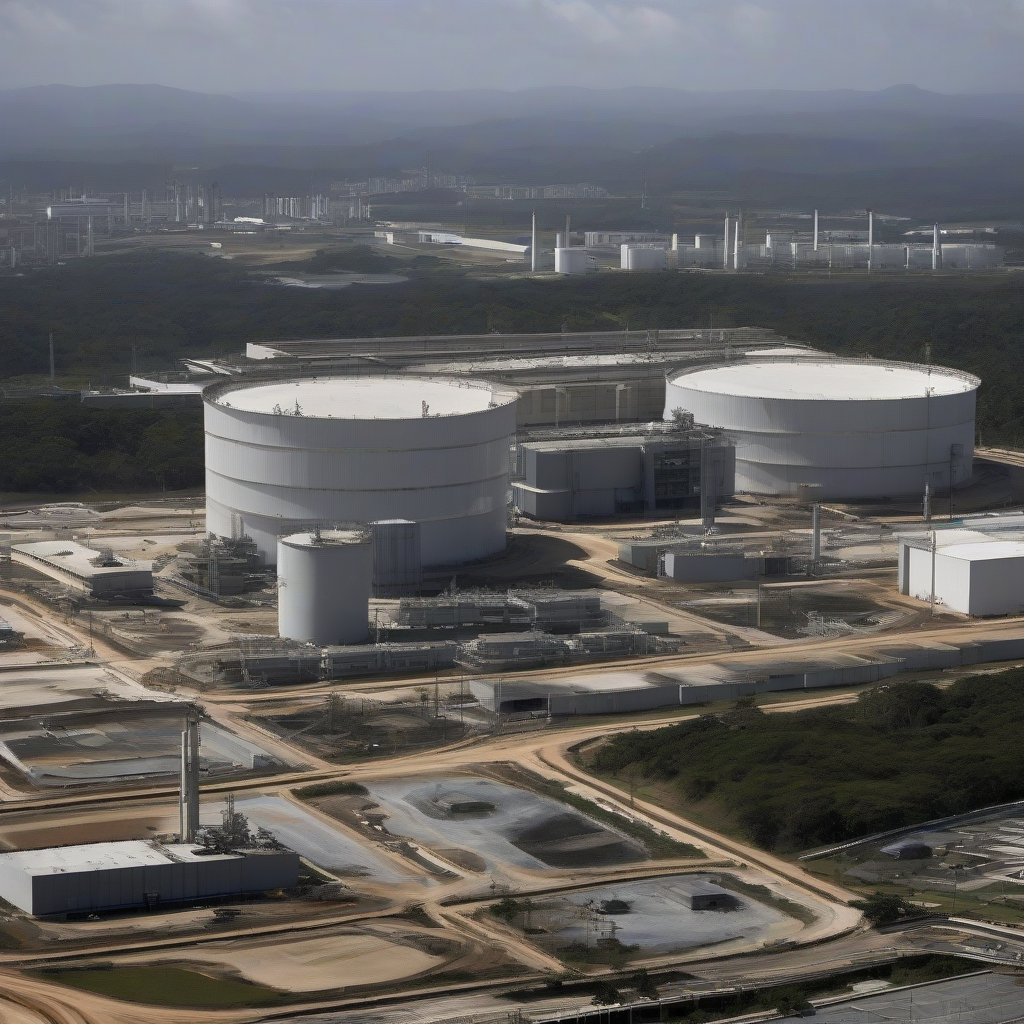
Brazil has achieved a historic milestone in its petroleum sector, reaching a record-high level of oil production during the month of June. According to gCaptain, this surge in output is providing a necessary buffer for global markets that have faced supply volatility linked to the fallout of the war in Iran.
As non-OPEC producers increase their contributions to the global energy supply, Brazil has emerged as a central contributor to the current shift in production distribution. The increase in volume serves as a counterbalance to the logistical and security challenges that have affected traditional supply chains in the Middle East.
Production Metrics
| Metric | Status | Period |
|---|---|---|
| National Output | Record High | June |
| Primary Driver | Non-OPEC Supply Growth | Current Cycle |
While specific volume figures are subject to final reporting, the trend highlights the growing reliance on South American production capacity to meet global demand. This growth aligns with broader shifts where producers outside of traditional oil-cartel blocs are capturing a larger share of the market, effectively insulating the global economy from isolated regional shocks.
Why It Matters
The record-setting production in Brazil represents a significant diversification of the global energy mix. By increasing output in regions geographically distant from active geopolitical flashpoints, the global energy industry is effectively decentralizing its supply chain. This move reduces the leverage held by nations historically capable of dictating price through production throttling. For energy markets, this represents a structural change where non-OPEC output growth becomes a primary tool for curbing price spikes, ensuring that global shipping routes for crude remain less sensitive to regional military activity in the Middle East.
Reader Discussion & Insights