
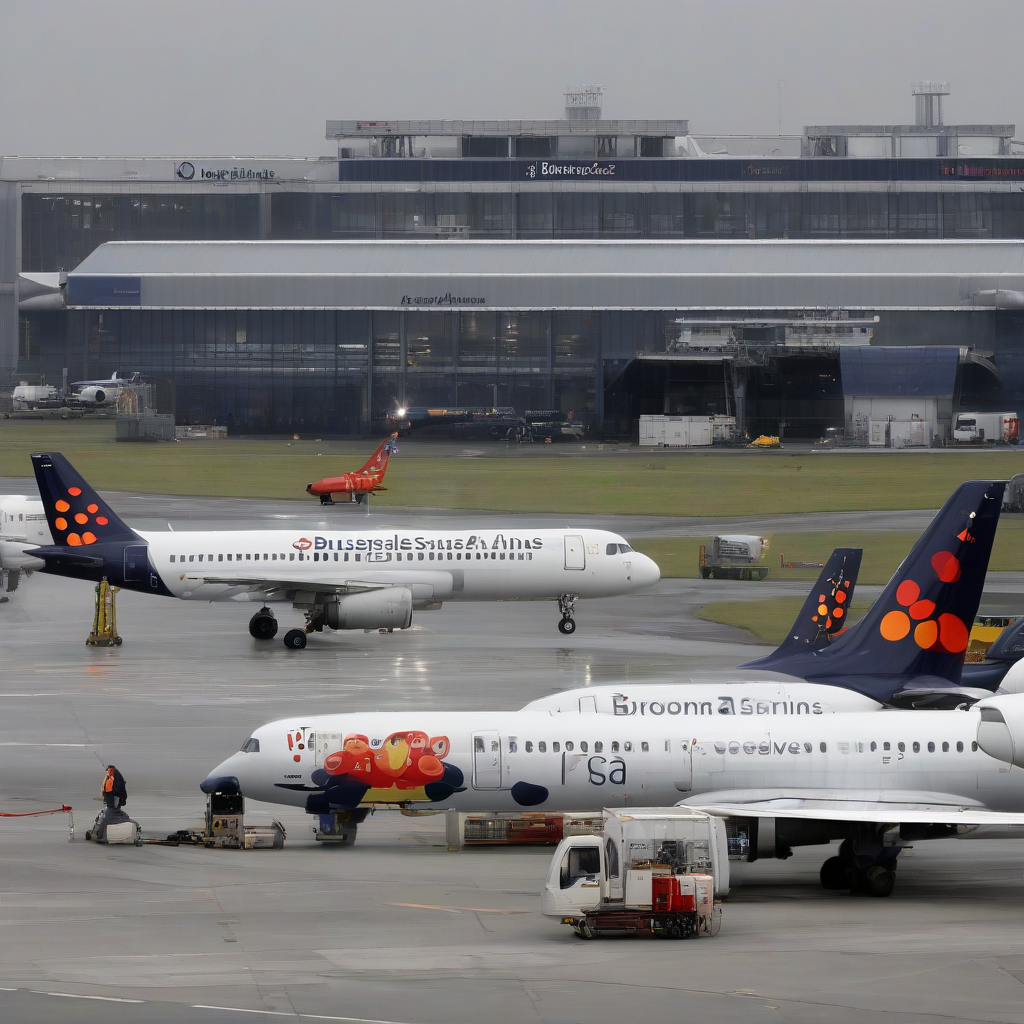

Brussels Airlines has officially halted its planned long-haul fleet expansion, opting to maintain its current roster of 11 Airbus A330 aircraft instead of adding two new units in 2027. According to Aviation Source News, the Belgian carrier—a subsidiary of the Lufthansa Group—reached this decision following a period of fiscal instability and external operational disruptions.
Financial and Operational Performance
The decision follows a challenging financial performance in the first half of 2026. The airline reported an adjusted operating loss of €70 million, representing a 50% decline compared to the same period in 2025. Despite this loss, passenger volume reached 4.5 million, an 8% increase, while revenue saw a 9% rise to €821 million.
However, profitability was severely undermined by specific cost increases. Fuel expenses rose by €64 million due to oil price volatility connected to regional instability in the Middle East. Additionally, labour strikes at Brussels Airport and industrial action by air traffic controllers resulted in losses of approximately €3 million. An Ebola outbreak in East Africa further strained operations by impacting demand and complicating crew schedules.
Fleet and Schedule Adjustments
Beyond the halt of fleet expansion, the airline will cease using wet-leased capacity for the 2027 summer season. Consequently, the four airBaltic aircraft currently operating for Brussels Airlines will not be renewed following the conclusion of their contract in October 2026. Despite these structural changes, the carrier is proceeding with cabin upgrades for its existing A330 fleet, targeting the installation of new Business, Premium Economy, and Economy class interiors by 2027.
| Metric | Figure |
|---|---|
| H1 2026 Adjusted Operating Loss | €70 million |
| H1 2026 Revenue | €821 million |
| Passenger Count (H1 2026) | 4.5 million |
| Fuel Cost Increase | €64 million |
| Strike-Related Losses | €3 million |
| Future A330 Fleet Total | 11 units |
Why It Matters
This strategy reflects an increasing trend among European flag carriers to prioritize yield management over market share growth in an era of persistent volatility. By freezing capital expenditure on fleet expansion, Brussels Airlines is attempting to insulate itself from the compounding risks of regional health crises, labour instability, and volatile energy markets. The shift indicates that for legacy carriers, the path to sustained profitability now necessitates operational stabilization and yield optimization on existing infrastructure rather than aggressive capacity acquisition in the highly competitive intercontinental, particularly the Sub-Saharan African, market.
Reader Discussion & Insights