
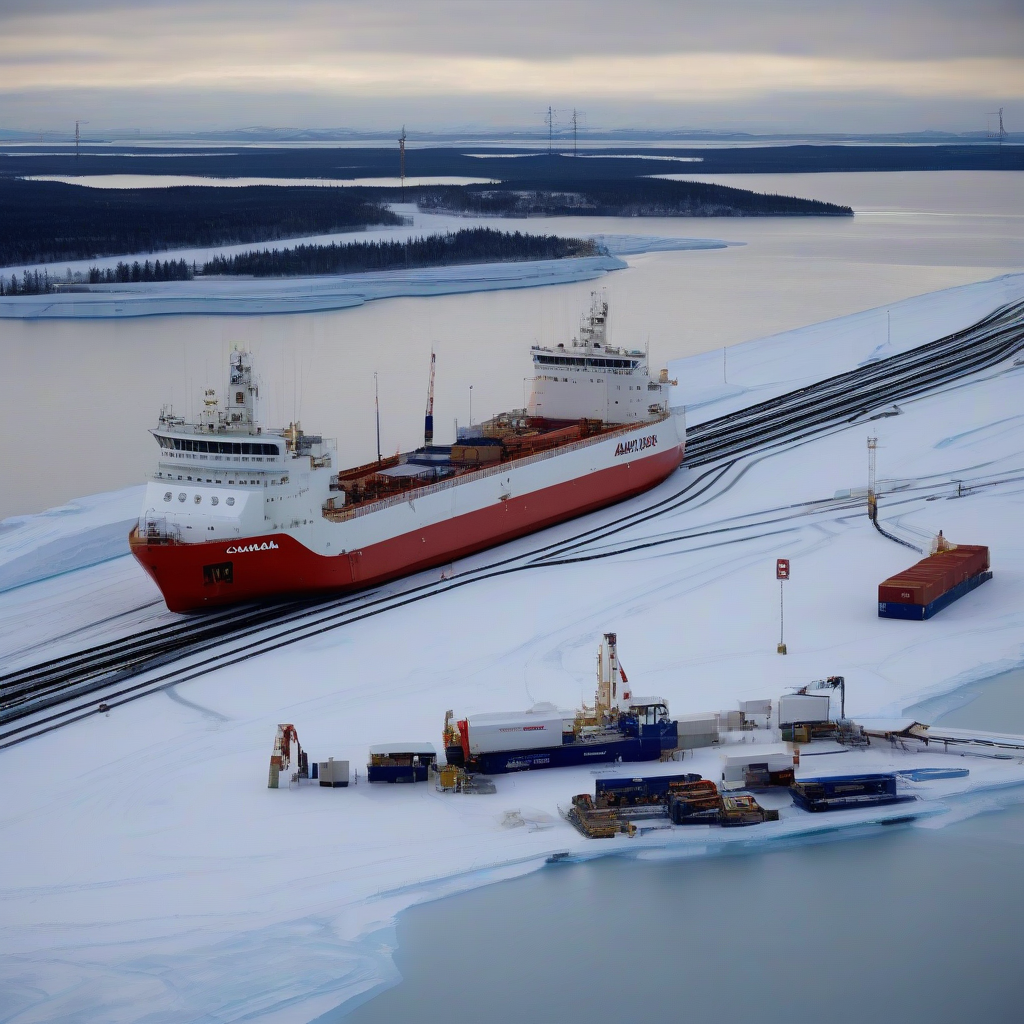
The Canadian government has finalized a charter agreement for the Finnish multipurpose icebreaker Nordica, which will be deployed to support regional operations in the Canadian Arctic later this year. According to gCaptain, the contract was awarded to the Finnish state-owned maritime company, Arctia, to bolster the existing capabilities of the Canadian Coast Guard.
Operational Specifications and Deployment
This procurement addresses the recurring need for specialized vessel capacity as the Canadian Coast Guard manages its seasonal workload in northern waters. The Nordica is a specialized multipurpose icebreaker designed to function in extreme polar conditions. Its inclusion in the Canadian fleet is intended to provide additional support for icebreaking tasks, ensuring navigation safety and the maintenance of essential supply lines throughout the Arctic shipping season.
| Feature | Details |
|---|---|
| Vessel Name | Nordica |
| Owner | Arctia (Finland) |
| Operator | Canadian Coast Guard (Chartered) |
| Deployment Timeline | Later this year |
| Operational Region | Canadian Arctic |
Strategic Context
This arrangement highlights an ongoing reliance on international partnerships to maintain maritime safety standards in high-latitude environments. The Canadian Coast Guard periodically seeks external support when domestic fleet maintenance schedules or unexpected ice conditions exceed local capacity. By utilizing a vessel from Arctia, Canada can maintain operational continuity without waiting for the long-term delivery of new domestic icebreaking assets.
Why It Matters
The chartering of the Nordica underscores the persistent gap in heavy icebreaking capacity among Arctic nations. As climate conditions create more open-water windows in the Arctic, the commercial demand for transit, research, and resource extraction is rising, placing extreme pressure on state-run Coast Guard services. Dependence on foreign-flagged assets illustrates a significant limitation in domestic sovereign infrastructure. For the shipping industry, this move signals that Arctic transit remains supply-constrained, and operators should expect continued reliance on international cooperative agreements to ensure reliable passage and emergency support for the foreseeable future.
Reader Discussion & Insights