
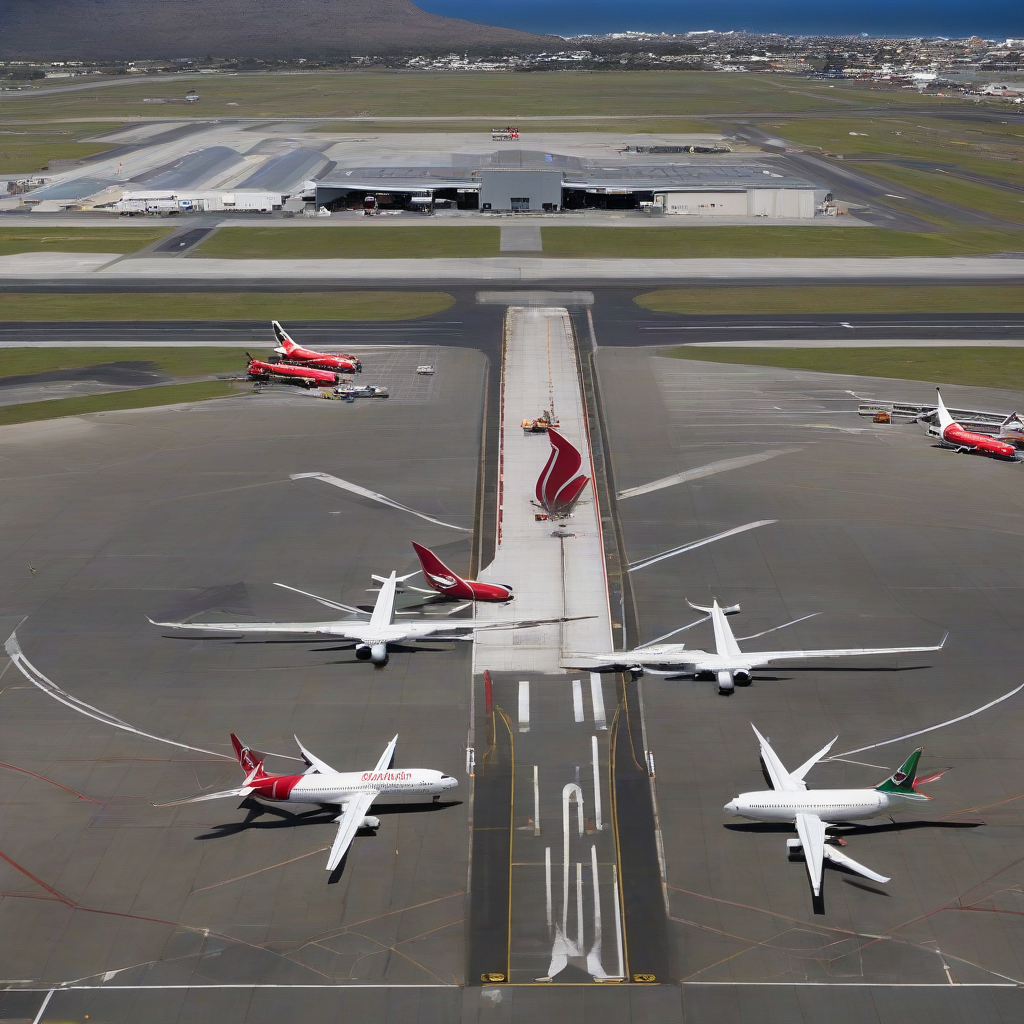
Operations at Cape Town International Airport have returned to normal following a runway closure caused by a Kenya Airways tyre failure. According to Travel And Tour World, the incident forced airport authorities to suspend traffic temporarily, leading to widespread schedule disruptions and the diversion of incoming aircraft.
Incident Overview
The obstruction on the runway necessitated an immediate safety response to ensure the integrity of the landing surface and prevent further incidents. While ground crews worked to clear the runway, several flights were diverted to alternative locations, impacting the travel schedules of numerous passengers. The airport, a primary hub in the region, coordinated with aviation officials to manage the affected traffic flow during the closure period.
| Feature | Details |
|---|---|
| Affected Location | Cape Town International Airport |
| Primary Carrier Involved | Kenya Airways |
| Incident Type | Tyre Failure |
| Operational Status | Restored |
Official Oversight
Incidents involving commercial aircraft are subject to standard oversight protocols. While the airport has resumed full service, aviation authorities typically review such events to determine the mechanical factors contributing to the tyre failure. These procedures are consistent with international civil aviation safety standards designed to maintain runway integrity and mitigate risk for all operators using the facility.
Why It Matters
Runway incidents at primary hubs highlight the fragility of global air networks. Even minor mechanical failures can lead to a cascading effect, forcing diversions that increase fuel costs, disrupt crew rotations, and degrade passenger experience. For airports, the rapid recovery of service is essential to maintaining throughput capacity. This event serves as a reminder that runway availability is the most critical constraint in aviation; a single aircraft mechanical issue can effectively paralyze a terminal, necessitating sophisticated contingency planning to manage the resulting surge in delayed traffic.
Reader Discussion & Insights