
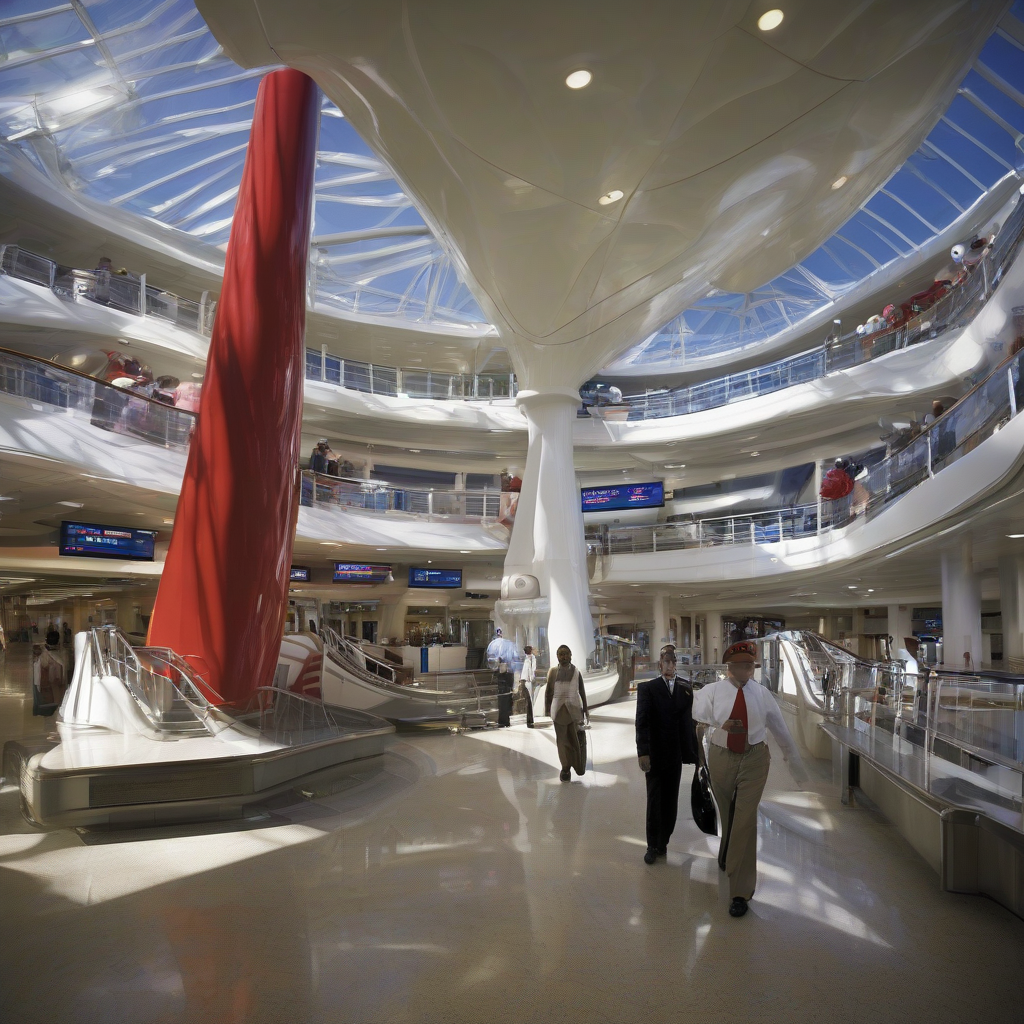
Carnival Cruise is advancing its commitment to environmental stewardship by implementing a comprehensive, top-to-bottom approach to sustainable cruise ship design. According to Carnival Cruise, these engineering and design strategies are essential to modernizing the fleet's performance and lowering the total ecological footprint of its operations at sea.
Strategic Design Initiatives
The company is focused on a multi-faceted approach to sustainability, which encompasses structural architecture, energy management systems, and waste reduction protocols. By integrating these improvements into the design phase of new vessel construction, Carnival aims to optimize fuel consumption and minimize emissions across its varied service routes. The engineering efforts prioritize the balance between passenger capacity requirements and the physical efficiency of the vessel.
| Design Category | Primary Objective | Sustainability Focus |
|---|---|---|
| Hull Architecture | Hydrodynamic optimization | Fuel efficiency |
| Energy Management | Power plant integration | Emissions reduction |
| Waste Systems | Circular resource use | Environmental footprint |
Industry Standards and Context
The maritime sector remains under pressure from international regulatory bodies, including the International Maritime Organization (IMO), to meet decarbonization targets. Carnival’s initiatives align with industry-wide efforts to adapt existing maritime technologies to meet stringent environmental standards, ensuring that large-scale passenger vessels remain viable in a regulatory environment increasingly focused on carbon neutrality.
Why It Matters
The cruise industry faces a significant challenge: providing luxury travel experiences while adhering to rigorous global climate goals. Carnival's focus on foundational ship design demonstrates a shift away from reactive retrofitting toward proactive, systemic change. If successful, these engineering standards could set a benchmark for the entire passenger shipping sector, influencing how competitors approach naval architecture. By addressing sustainability at the core structural level, the company is attempting to insulate its business model against future carbon taxes and increasingly complex international maritime emissions laws.
Reader Discussion & Insights