
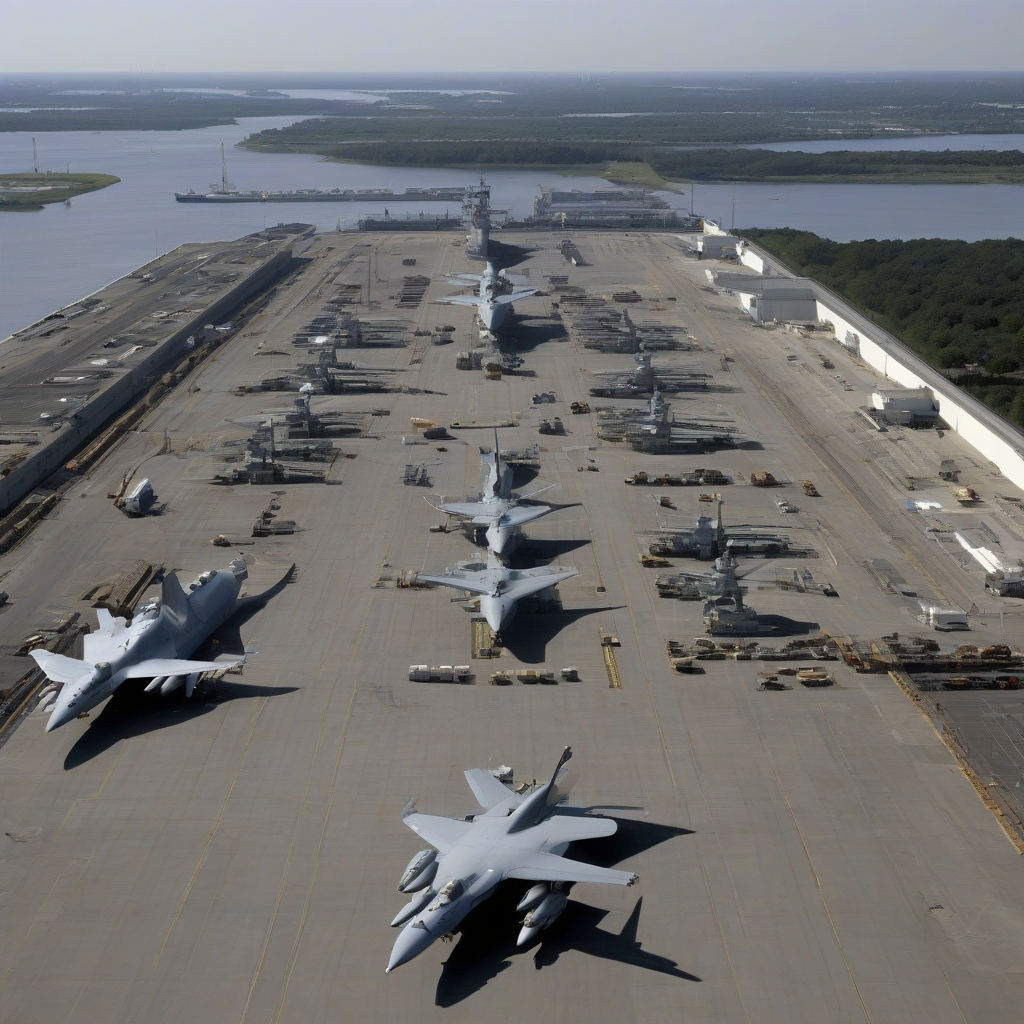
A report from the Congressional Budget Office (CBO) indicates that the U.S. Navy's initiative to design and construct a new series of nuclear-powered battleships could require an investment of $275 billion over the next 30 years. According to gCaptain, this projected expenditure is expected to place intense pressure on the existing American shipbuilding infrastructure.
The findings highlight a significant fiscal and logistical commitment necessary to modernize the fleet with nuclear-propulsion capabilities. The projected cost accounts for the research, development, and eventual serial production of these vessels throughout the three-decade timeframe.
Projected Financial and Operational Scope
| Metric | Detail |
|---|---|
| Estimated Total Cost | $275 Billion |
| Timeframe | 30 Years |
| Primary Technology | Nuclear Propulsion |
| Industry Impact | High demand on shipbuilding capacity |
Official oversight bodies, including the Congressional Budget Office, frequently evaluate the long-term feasibility of such large-scale defense programs to provide transparency regarding the federal budget. The CBO analysis specifically identifies the potential for the shipbuilding industrial base to face capacity bottlenecks as it balances this new program against existing obligations for submarine and aircraft carrier production.
Why It Matters
The immense cost and technical requirements for these vessels could fundamentally reorder the domestic maritime industrial base. By absorbing a significant portion of the Navy's budget, the project creates competition for resources among shipyards already struggling to meet current maintenance and construction timelines. Furthermore, the reliance on specialized nuclear infrastructure limits the pool of available vendors, potentially extending delivery schedules and increasing the risk of budget overruns beyond the $275 billion estimate. Long-term defense planning must now reconcile these high-cost platforms with the necessity of maintaining a diverse and competitive naval supply chain.
Reader Discussion & Insights