LIVEยท

Global News & Market Intelligence ยท Verified Official Dispatches

Editions:
LIVEMARKETS:
S&P 500 5,640.20 (+0.45% โ–ฒ)|NASDAQ 17,855.10 (+0.62% โ–ฒ)|BRENT CRUDE $82.40 (-0.85% โ–ผ)|BITCOIN $64,250.00 (+1.90% โ–ฒ)
Breaking
Autonomous Drivingยท ๐ŸŒ Global

China Unveils New Regulatory Safety Standards for Autonomous Vehicles

Chinese authorities have released updated safety guidelines for self-driving vehicles, establishing a formal framework for the operation and testing of autonomous technology.

By Automotive & EV Mobility DeskยทPublished ยทโฑ๏ธ 1 min read (305 words)
โšก AI-Synthesized Briefing ยท Verified Editorial
China Unveils New Regulatory Safety Standards for Autonomous Vehicles
๐Ÿ“ Autonomous Driving Sector Dispatch ยท Autonomous Driving
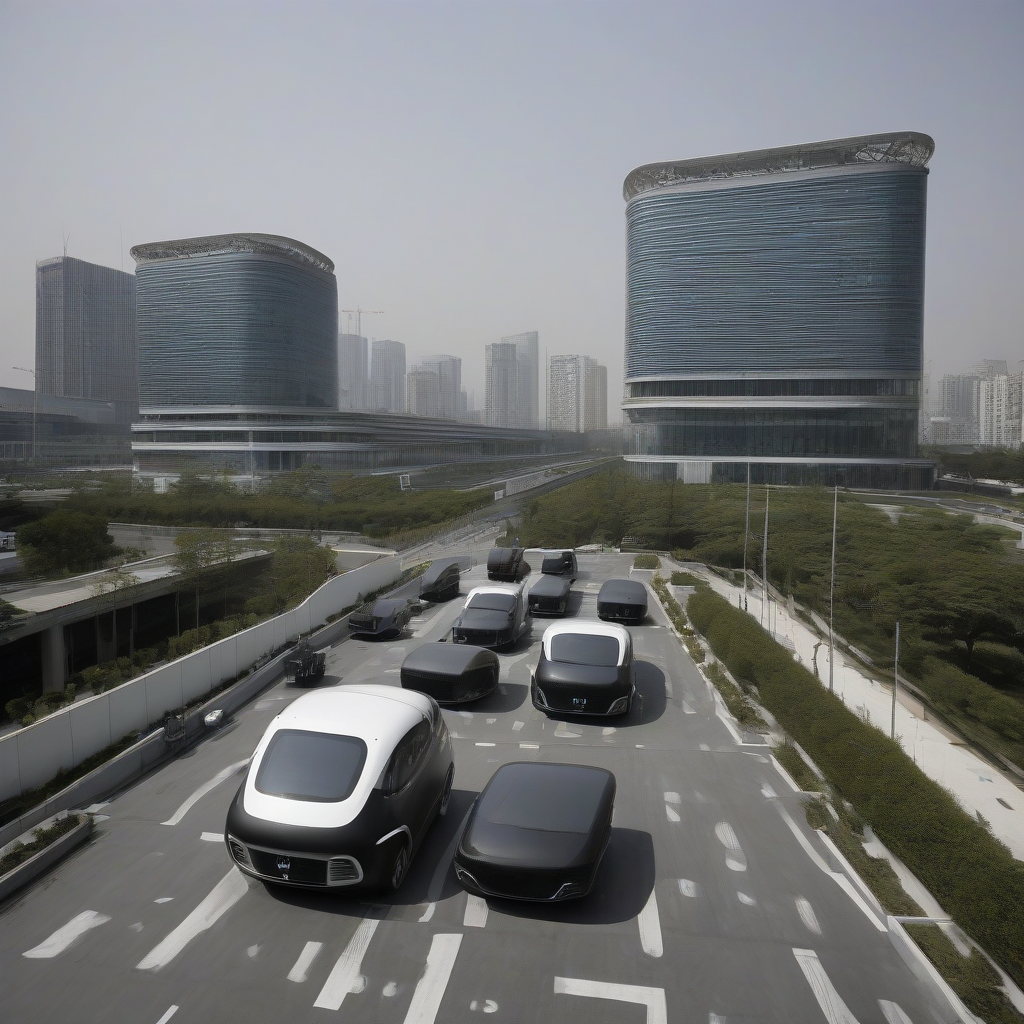
Editorial Cover: Sector visual for Autonomous Driving report.Skyline Wire Press

Key Story Metrics & Context

Industry Sector:Automotive, Technology
Companies Impacted:Global Holdings
Geographic Scale:China ๐Ÿ‡จ๐Ÿ‡ณ
Reporting Status:โœ“ Multi-Source Verified

Executive Brief & Verified Analysis

โœ“ OFFICIAL SOURCES REVIEWED

Executive Summary

Chinese authorities have released updated safety guidelines for self-driving vehicles, establishing a formal framework for the operation and testing of autonomous technology.

Why This Matters

Key strategic implication: China has introduced official safety rules for the autonomous vehicle sector.

Market Impact

Verified for Global Holdings. Primary market adjustment vector.

Source Verification

Cross-referenced across regulatory dispatches, official press releases, and verified wire filings.

Strategic Implications

  • โœ“China has introduced official safety rules for the autonomous vehicle sector.
  • โœ“The regulations focus on technical verification and passenger safety.
  • โœ“Manufacturers must meet specific compliance certification standards.

New safety protocols for self-driving vehicles have been officially released in China, marking a formal step toward standardized integration of autonomous transport into public infrastructure. According to Autonomous Driving, these regulations serve as a foundational policy to govern the development, testing, and deployment of driverless systems within the country's borders.

The updated framework addresses essential safety metrics that manufacturers and technology providers must meet before obtaining operational permits. These guidelines prioritize passenger security, technical verification, and environmental adaptability for automated transit units. By establishing these criteria, regulators aim to reduce operational risks associated with machine-led driving in varied urban and highway conditions.

Regulatory Data Summary

Regulatory FocusStandard ImplementationGoal
Safety ProtocolCompliance CertificationRisk Reduction
Operational TestingPilot Zone AuthorizationTechnical Validation
Deployment FrameworkNational Safety StandardsPublic Security

These directives follow a period of rapid industry experimentation. The requirements necessitate that entities involved in autonomous systems document software reliability and hardware durability. Official oversight is intended to ensure that the rapid scaling of artificial intelligence in mobility does not outpace the capability of existing road safety systems to monitor and manage non-human drivers.

Why It Matters

The introduction of these mandates signals a shift from an era of unchecked prototyping to a phase of structured, state-supervised commercialization. By codifying safety requirements, regulators are creating a predictable environment for manufacturers to invest in long-term fleet deployment. For the global automotive sector, this move creates a competitive benchmark that other regions may replicate to address liability and safety concerns. It effectively bridges the gap between laboratory success and the high-stakes requirements of public road safety, likely accelerating the transition of autonomous vehicles from controlled pilot programs to widespread urban utility.

Expected Next Steps

  • 1Issuance of specific operational permits based on the new criteria.
  • 2Increased monitoring of automated driving software by state regulators.
  • 3Potential expansion of authorized pilot zones for testing.

Frequently Asked Questions

The rules establish a formal framework for the safe development, testing, and operation of autonomous vehicles on public roads.

The guidelines were released by Chinese authorities to oversee the growth of the autonomous driving industry.

Yes, it creates a standardized set of requirements for firms operating within China and sets a precedent for how governments might regulate the industry globally.

Source Transparency & Verified Dispatches

โœ“ Verified Primary Data
โœ“
China Daily๐Ÿ’ผ Corporate Dispatch
Source โ†—

Reader Discussion & Insights

Leave a Comment

Loading discussion thread...

Get Breaking Global Intel in Your Inbox

Subscribe to the Skyline Wire AI Daily Briefing. Direct insights across Aviation, Tech, EVs, and Markets.

Original announcement link: Autonomous Driving

autonomous vehicleschinasafety regulationsautomotive industrytransportation policy
china self-driving safety rulesautonomous driving regulationsdriverless vehicle policyautomotive safety standardsautomated driving technology