
LIVEยท

Global News & Market Intelligence ยท Verified Official Dispatches

Editions:
LIVEMARKETS:
S&P 500 5,640.20 (+0.45% โ–ฒ)|NASDAQ 17,855.10 (+0.62% โ–ฒ)|BRENT CRUDE $82.40 (-0.85% โ–ผ)|BITCOIN $64,250.00 (+1.90% โ–ฒ)
Breaking
Artificial Intelligenceยท ๐ŸŒ Global

Cordyceps Fungus Found Living in Mosses, DNA Study Confirms

A DNA study published in the journal IMA Fungus reveals that Cordyceps fungi can inhabit mosses, suggesting an evolutionary survival tactic when insect hosts are unavailable.

By Technology & AI Intelligence DeskยทPublished ยทโฑ๏ธ 2 min read (381 words)
โšก AI-Synthesized Briefing ยท Verified Editorial

Key Story Metrics & Context

Industry Sector:Biotechnology, Agricultural Research
Companies Impacted:Global Holdings
Geographic Scale:Global ๐ŸŒ
Reporting Status:โœ“ Multi-Source Verified
Cordyceps Fungus Found Living in Mosses, DNA Study Confirms

Executive Brief & Verified Analysis

โœ“ OFFICIAL SOURCES REVIEWED

Executive Summary

A DNA study published in the journal IMA Fungus reveals that Cordyceps fungi can inhabit mosses, suggesting an evolutionary survival tactic when insect hosts are unavailable.

Why This Matters

Key strategic implication: DNA analysis published in the journal IMA Fungus confirmed Cordyceps presence in mosses.

Market Impact

Verified for Global Holdings. Primary market adjustment vector.

Source Verification

Cross-referenced across regulatory dispatches, official press releases, and verified wire filings.

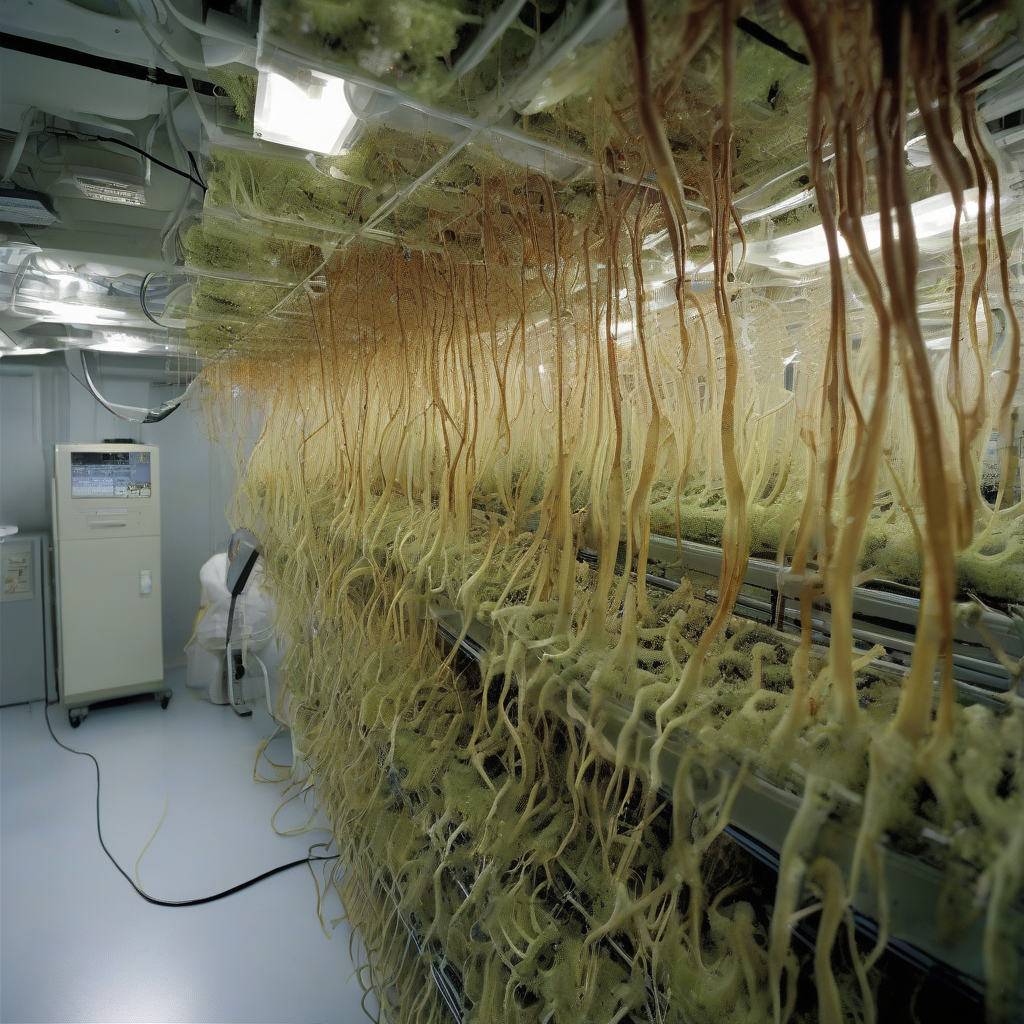
Operational context for Cordyceps Fungus Found Living in Mosses, DNA Study Confirms
๐Ÿ“ธ Figure 1.2 ยท Operational Context
Figure 1.2: Secondary sector visual for Artificial Intelligence briefing on Cordyceps Fungus Found Living in Mosses, DNA Study Confirms.Skyline Intelligence

Strategic Implications

  • โœ“DNA analysis published in the journal IMA Fungus confirmed Cordyceps presence in mosses.
  • โœ“The Cordyceps genus consists of more than 400 different species.
  • โœ“Cordyceps mycelia spread through a host's body to control behavior.
  • โœ“Moss might serve as a secondary host to ensure survival during periods of insect scarcity.

A recent analysis published in the scientific journal IMA Fungus has identified the presence of Cordyceps fungi within mosses, indicating that these parasites may utilize a secondary life stage to persist in the environment. According to Ars Technica, this discovery suggests that the fungus may rely on moss as a reservoir when insect populations are low, potentially clarifying why host insects often exhibit behaviors targeting mosses during the final stages of infection.

While the Cordyceps genus is widely recognized for its ability to manipulate insect behavior, the discovery of its DNA within mosses provides a new understanding of its life cycle. Researchers have long documented how the fungus targets specific species, including ants, dragonflies, cockroaches, aphids, and beetles. Once the spores attach to a host, they germinate and proliferate throughout the organism via mycelia, long tendrils that eventually allow the fungus to control the hostโ€™s movements.

Cordyceps Classification and Characteristics

The following table summarizes the scope and behavioral impact of these pathogens:

FeatureData / Description
Total known species> 400
Primary mechanismMycelia spread via host body
Typical host targetsAnts, dragonflies, cockroaches, aphids, beetles
Known survival strategyHost manipulation / Moss-based secondary life stage

Historically, the infection process ends with the fungus forcing its host to secure itself to a leaf or twig in a "death grip" to optimize spore dispersal. The identification of these fungi in non-insect biological matter suggests that Cordyceps is more adaptable than previously observed in nature documentaries or popular culture portrayals, such as those in the 2013 video game The Last of Us.

Why It Matters

This finding alters the scientific understanding of pathogen environmental stability. If Cordyceps can persist within botanical hosts like mosses, the ecological risk profile for various insect populations must be re-evaluated. Understanding these fungal reservoirs is essential for future research into pest control, agricultural health, and the evolution of host-pathogen interactions. Furthermore, this adds a complex layer to how we model the spread of parasitic diseases in dense ecosystems, moving beyond simple host-vector diagrams to account for environmental survival strategies that ensure the pathogenโ€™s persistence during seasonal or cyclical host scarcity.

Expected Next Steps

  • 1Conduct further longitudinal studies to track the transition of the fungus from moss to insect hosts.
  • 2Analyze other botanical species to see if they serve as secondary reservoirs.
  • 3Update ecological models for parasite transmission to include botanical hosts.

Frequently Asked Questions

DNA analysis published in the journal IMA Fungus shows the fungus lives in mosses as well as insects.

Scientists suggest it may be an evolutionary adaptation to survive when the primary insect hosts are scarce.

According to reports, there are more than 400 different species of Cordyceps fungi.

Source Transparency & Verified Dispatches

โœ“ Verified Primary Data
โœ“
IMA Fungus๐Ÿ’ผ Corporate Dispatch
Source โ†—

Reader Discussion & Insights

Leave a Comment

Loading discussion thread...

Get Breaking Global Intel in Your Inbox

Subscribe to the Skyline Wire AI Daily Briefing. Direct insights across Aviation, Tech, EVs, and Markets.

Original announcement link: Ars Technica

biologycordycepsmycologydna-sequencingecology
cordyceps fungusima funguszombie-ant fungusparasitic fungimyceliainsect pathologymoss habitat