
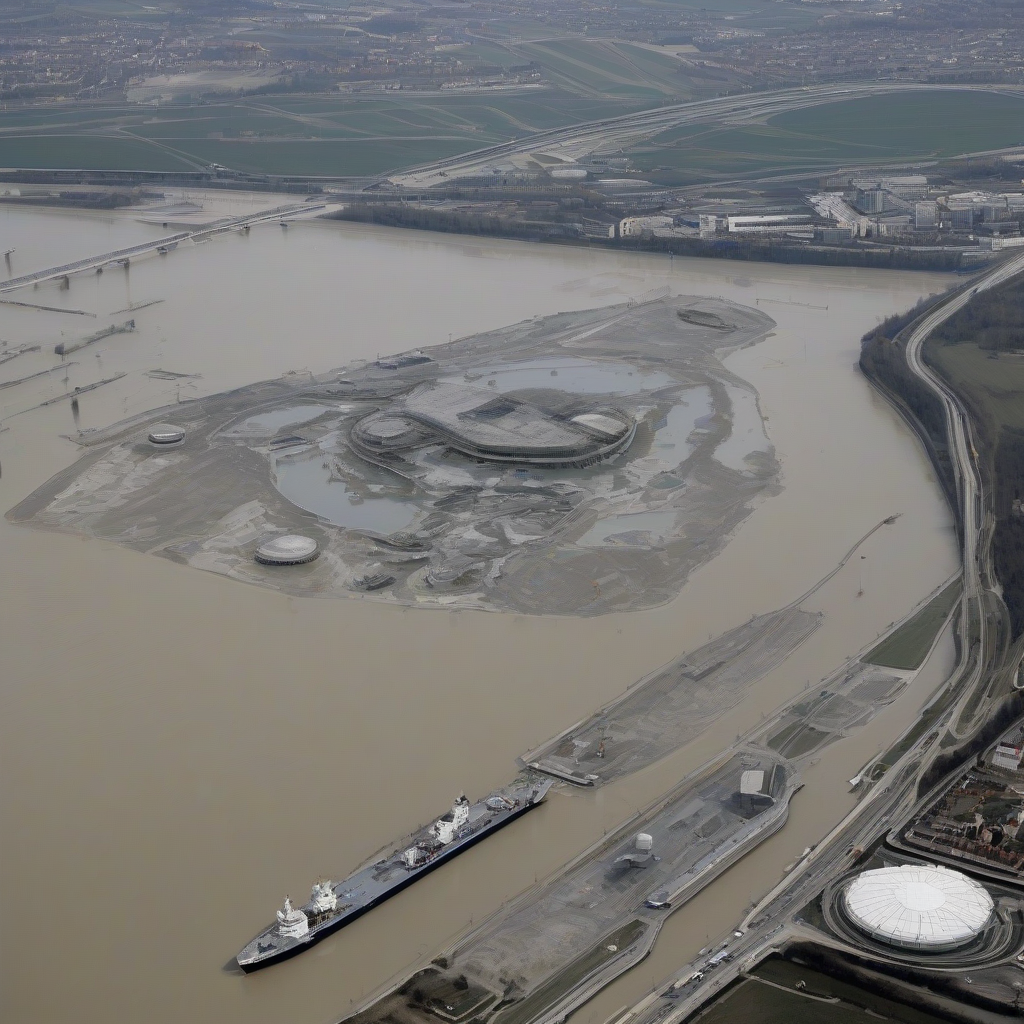
Low water levels along the Danube River have exposed long-submerged historical artifacts, including a fleet of German warships from World War II and prehistoric biological remains. According to CBS News — World, the depletion of the river has rendered these items visible for the first time in decades, creating an unexpected look at both mid-20th-century naval history and ancient natural history.
Among the items now visible are dozens of German battleships that were scuttled during the Second World War. These vessels are part of a larger collection of remnants that usually remain under the river's surface. In addition to the military hardware, archeologists and observers have noted the emergence of the remains of an ancient woolly mammoth, highlighting the depth of the sedimentation and the shifting geography of the riverbed.
Documented Historical Findings
| Item Category | Description of Discovery | Status |
|---|---|---|
| WWII Military | Dozens of German battleships | Exposed by low water |
| Paleontology | Woolly mammoth remains | Partially visible |
European Commission environmental monitoring indicates that drought conditions across the region have impacted major waterways, forcing changes to local infrastructure and shipping logistics. While the exposure of these artifacts provides a rare research opportunity for historians and paleontologists, it simultaneously signals significant hydrological strain within the basin.
Why It Matters
The revelation of these historical assets due to extreme climate conditions serves as a bellwether for the industrial and economic stability of Europe's inland logistics network. The Danube serves as a primary artery for trade, and prolonged low water levels disrupt freight transport, potentially inflating costs for energy and raw material imports. From an industrial risk perspective, the exposure of these wrecks forces local authorities to re-evaluate waterway navigation safety, as these submerged metal structures could now pose significant hazards to modern barge traffic if water levels remain suppressed during peak trade seasons.
Reader Discussion & Insights