
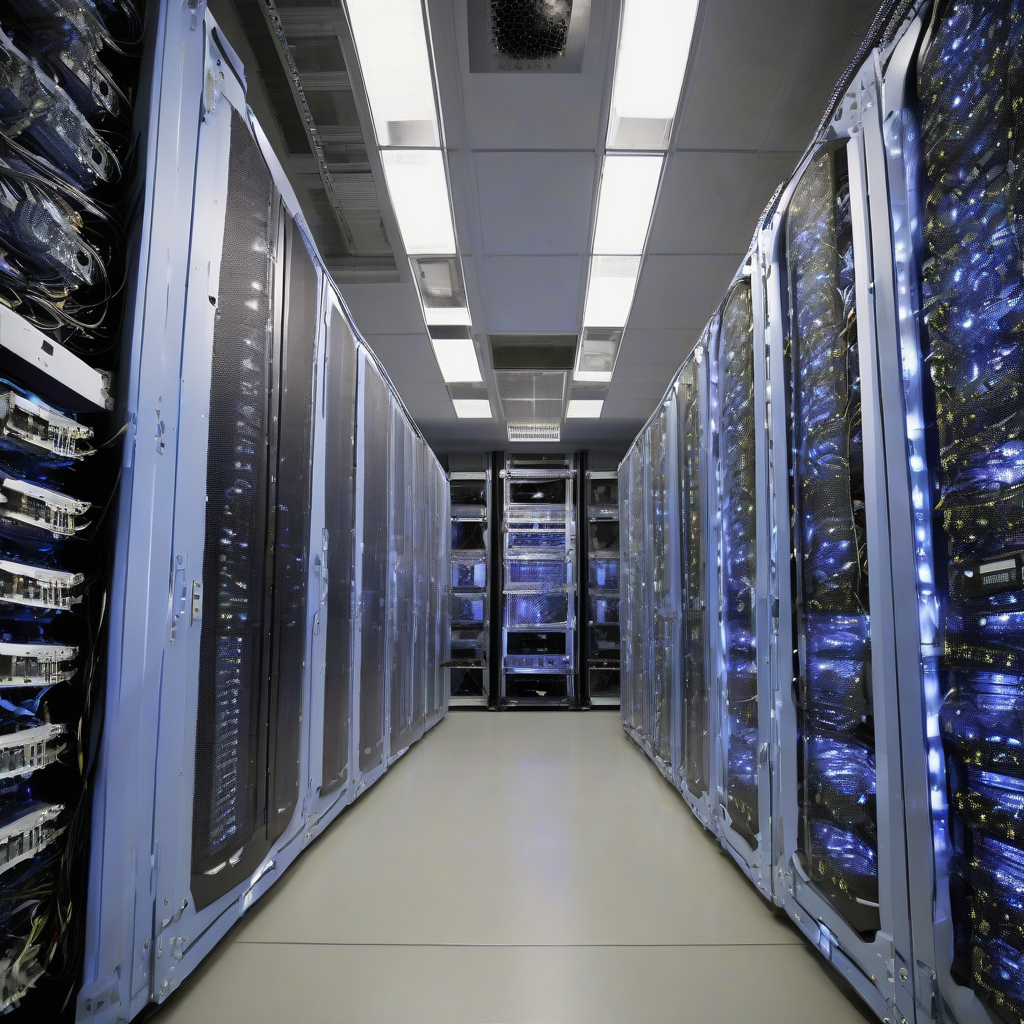

The rapid expansion of data infrastructure across the United States is placing unprecedented demand on the national power grid. According to Phys.org, data centers are projected to utilize up to 9% of total U.S. electricity generation annually by 2030. This figure represents a substantial rise from the 4% of total load that data centers accounted for in 2023.
Data provided by the Electric Power Research Institute underscores the intensifying energy requirements necessary to sustain the operational and cooling needs of these facilities. As artificial intelligence and cloud computing continue to drive site development, the strain on domestic energy infrastructure has become a focal point for regulatory bodies and utility providers alike.
| Year | U.S. Electricity Load Share | Data Center Consumption Status |
|---|---|---|
| 2023 | 4% | Baseline |
| 2030 | 9% | Projected Forecast |
The Electric Power Research Institute (EPRI) has highlighted that the proliferation of large-scale computing environments necessitates an urgent assessment of how the power grid will manage this shifting demand profile. The logistical challenge involves not only the total volume of electricity needed but also the timing and geographic placement of these loads.
Why It Matters
The transition toward a higher concentration of data center energy consumption signals a fundamental change in utility planning. Grid operators must now account for high-density, constant-load users that differ significantly from historical residential or light-industrial demand profiles. This trajectory suggests that energy production will need to scale or become significantly more efficient to prevent localized volatility. Furthermore, companies seeking to minimize their carbon footprint may prioritize microgrid solutions or onsite power generation to bypass potential supply constraints, impacting regional market prices for power and long-term infrastructure investment strategies.
Reader Discussion & Insights