
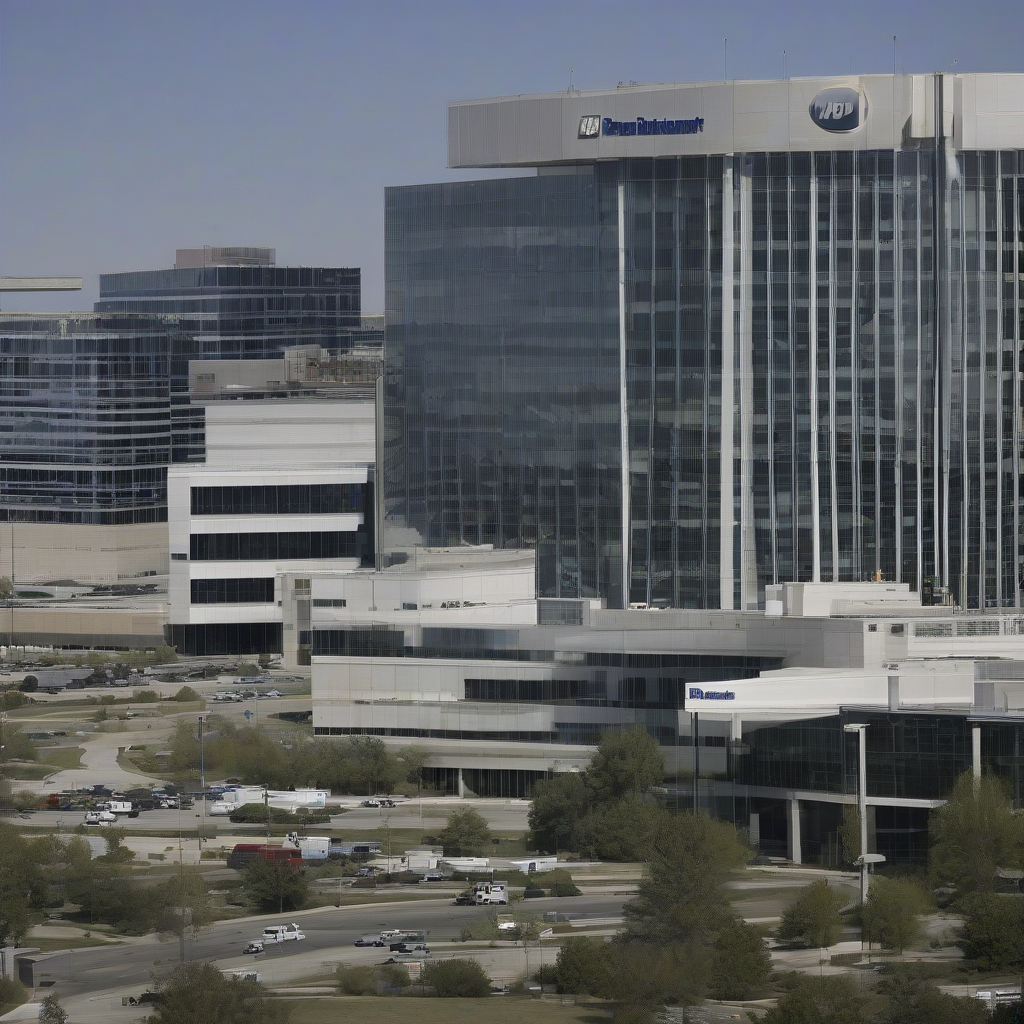
Paramount CEO David Ellison has publicly challenged the legal hurdles currently stalling the company’s $111bn acquisition of Warner Bros Discovery (WBD). According to The Guardian — Business, Ellison asserts that the coalition of states and labor organizations fighting the merger are motivated by ideological concerns regarding the future of CNN, rather than legitimate antitrust or competition issues.
In a guest essay published this Tuesday in the New York Times, Ellison addressed the ongoing litigation, stating that the opposition's focus is misdirected. He maintains that the transaction has already secured regulatory clearance from authorities in 65 countries, including the United States. Ellison specifically downplayed the competitive concerns articulated by the state coalition and the Writers Guild of America West and Writers Guild of America East, characterizing the legal pushback as a reaction to anxieties about network control.
Transaction Details
| Attribute | Detail |
|---|---|
| Acquisition Value | $111bn |
| Jurisdictions Approved | 65 countries |
| Primary Opponents | State coalition, WGA West, WGA East |
| Media Focus | CNN control |
Why It Matters
This merger highlights the intensifying friction between legacy media consolidation and creative labor unions. By framing the dispute as a political struggle over newsroom influence, Ellison attempts to narrow the scope of the legal challenge. If he successfully decouples the deal from traditional antitrust concerns, he may shift the narrative toward First Amendment or editorial independence arguments. This tactic indicates a broader industry trend where corporate executives increasingly lean into public-facing political justifications to bypass traditional regulatory gridlock within the domestic media sector.
Reader Discussion & Insights