
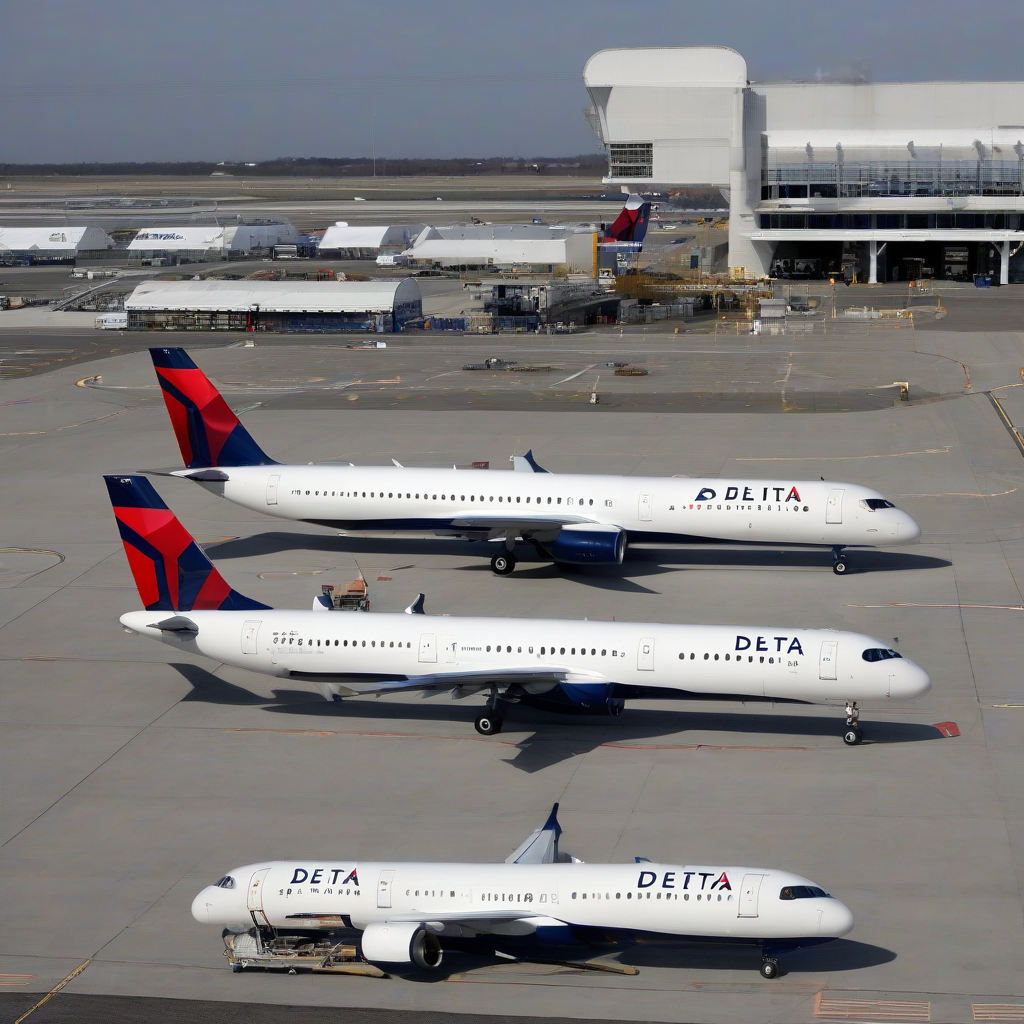

Delta Air Lines has officially welcomed the first of 14 new VIP-configured Airbus A321neo aircraft into its fleet, according to Simple Flying. This delivery marks the commencement of a fleet renewal program intended to modernize the airline's specialized charter operations for the National Basketball Association (NBA).
Fleet Transition Details
The arrival of these Airbus A321neo models signals the gradual retirement of Delta’s current charter fleet. The airline currently utilizes Boeing 757-200 aircraft for NBA travel, which are leased from Aviation Capital Group. These specific 757-200 units have reached a service age of at least three decades, necessitating the shift to more modern, fuel-efficient, and technologically advanced equipment.
| Feature | Boeing 757-200 (Current) | Airbus A321neo (New) |
|---|---|---|
| Status | Active (Aging) | Incoming (Modern) |
| Lease Source | Aviation Capital Group | N/A |
| Fleet Role | NBA Charter | NBA Charter |
| Quantity | Multiple | 14 |
Delta Air Lines operates these charters under specialized configurations, prioritizing cabin space and amenities required for professional basketball teams. By transitioning to the A321neo platform, the carrier aims to upgrade the onboard experience while moving away from airframes that are increasingly difficult to maintain due to their age.
Why It Matters
The transition to the Airbus A321neo for professional sports charters highlights a significant shift in corporate and luxury aviation. As airlines phase out mid-range narrowbodies like the Boeing 757, they are opting for newer engines and airframes that offer better reliability and significantly lower maintenance overhead. For the NBA, this upgrade ensures consistency and comfort across long-distance travel schedules during the regular season. Furthermore, the standardization of these 14 aircraft allows Delta to optimize its spare parts inventory and pilot training programs, creating a more cohesive operational model for its high-value sports charter segment.
Regulatory bodies such as the FAA maintain oversight on these commercial charter operations, ensuring that the luxury interior reconfigurations adhere to all safety and emergency exit standards. The move away from the 30-year-old 757 platform reflects a broader trend of operators prioritizing the efficiency of next-generation narrowbodies over the legacy models that previously dominated the US charter market.
Reader Discussion & Insights