
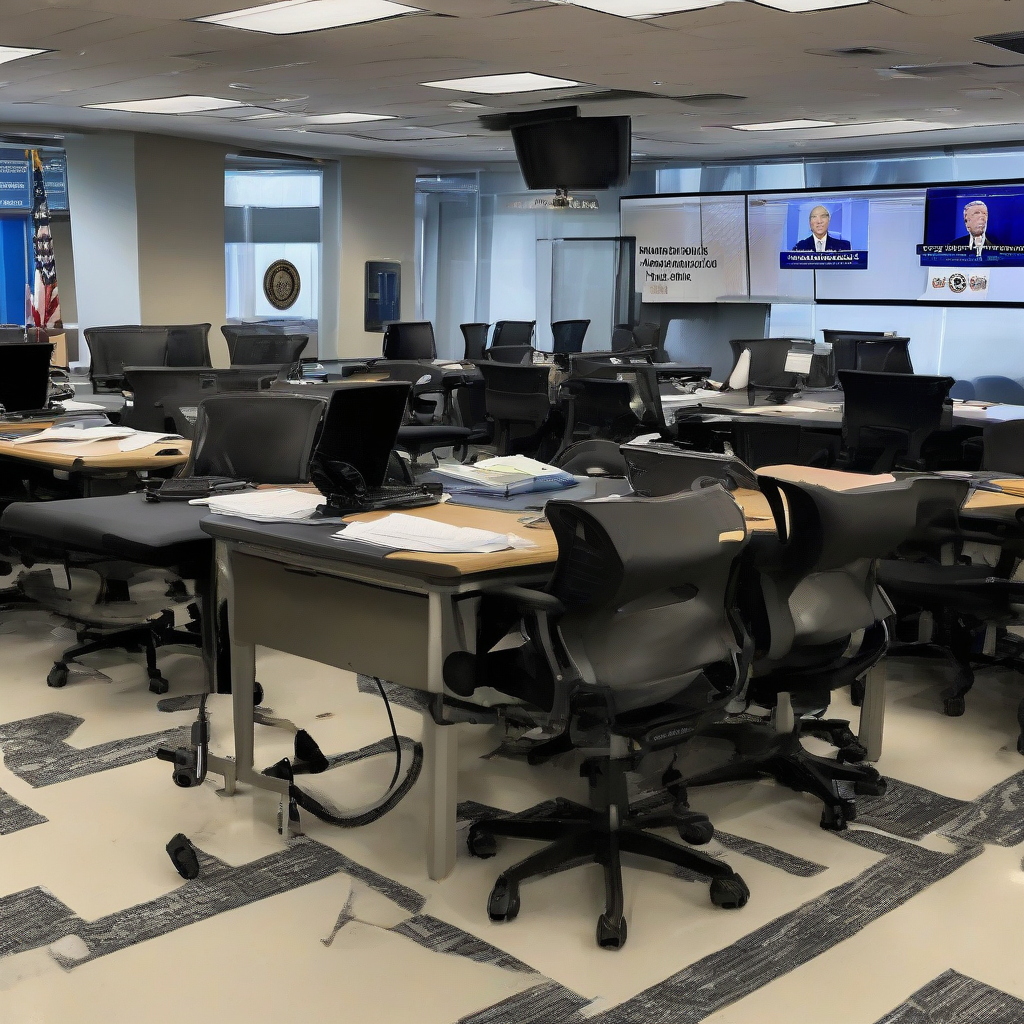
The U.S. Department of Justice (DOJ) has confirmed the deployment of federal election monitors to various polling sites in Michigan, a move that follows a pattern of government oversight during national voting cycles. According to Al Jazeera, this federal presence has ignited a debate among lawmakers regarding the intent and necessity of the initiative, particularly as it intersects with ongoing national discourse surrounding electoral integrity.
While the practice of utilizing federal oversight in polling places is a long-standing component of DOJ efforts to ensure compliance with federal voting rights statutes, the current initiative is taking place against a backdrop of heightened political tension. Legislative critics have suggested that the presence of these monitors may carry partisan objectives, citing the extended period of allegations regarding election fraud that have persisted in the American political sphere.
Monitoring Protocols
| Feature | Details |
|---|---|
| Authority | U.S. Department of Justice (DOJ) |
| Jurisdiction | Michigan Polling Sites |
| Operational Status | Active Monitoring |
| Historical Context | Standard periodic practice since inception |
Historically, the FBI and DOJ have conducted monitoring in jurisdictions where issues of ballot access or potential civil rights violations have been identified. However, the skepticism expressed by members of Congress reflects a deep-seated divide over the role of federal agencies in state-managed electoral processes. The DOJ maintains that such deployments are routine measures designed to protect the rights of voters at the ballot box, though they have stopped short of detailing specific site counts or staffing levels for this operation.
Why It Matters
The integration of federal observers into state-level polling infrastructure highlights the escalating friction between federal oversight and state-led administration. From a governance perspective, this indicates a shift toward more interventionist federal monitoring that could reshape the relationship between the Department of Justice and local election officials. Increased federal visibility risks delegitimizing local election processes if perceived as politically motivated, potentially causing a decline in public trust. As electoral oversight becomes a more central point of national policy, the precedent set here could lead to increased legal challenges regarding federal versus state authority in managing election security and voter protection.
Reader Discussion & Insights