
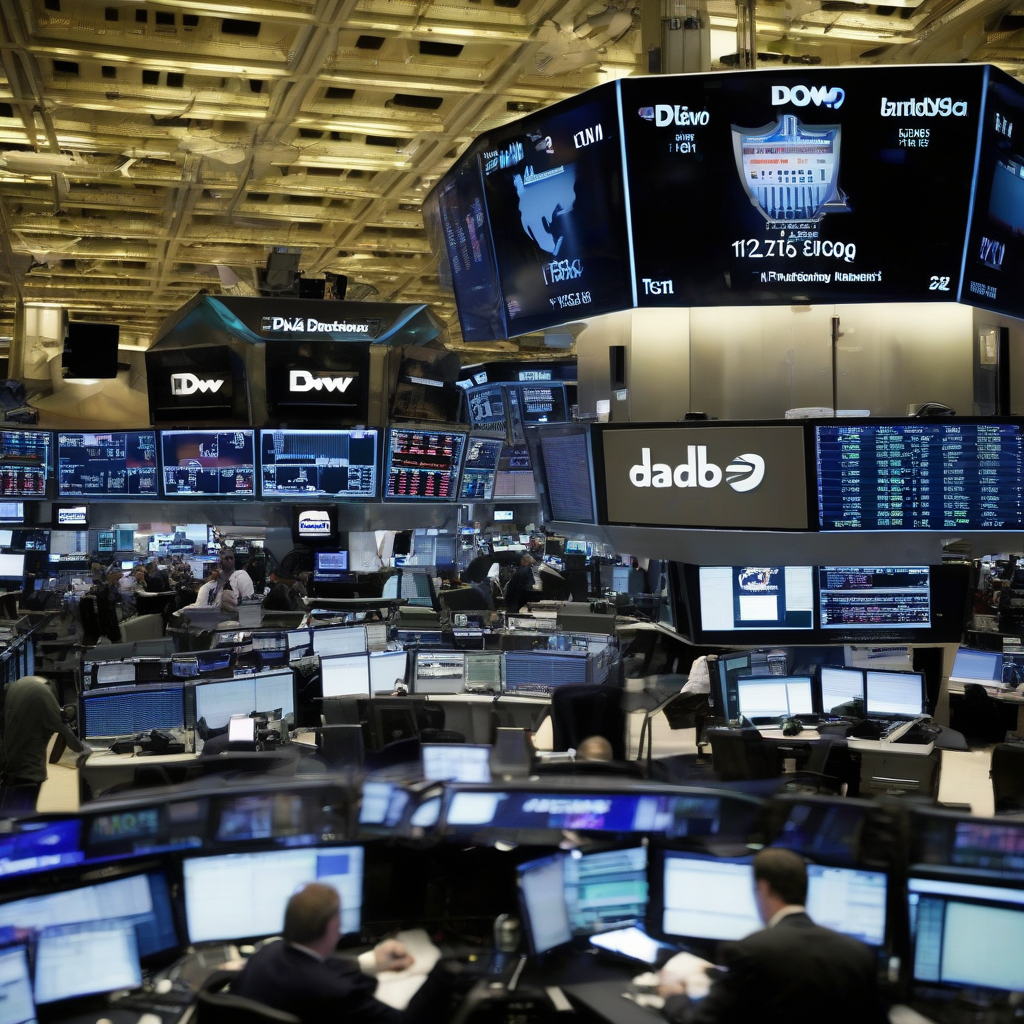
On August 5, 2026, the Dow Jones Industrial Average reached a new record high, extending its current rally despite a broader environment of mixed results across major stock market indices. According to NASDAQ, the day was characterized by diverging performance, as momentum in blue-chip stocks failed to lift the tech-heavy Nasdaq, which faced downward pressure from specific equity declines.
The divergence between market benchmarks highlighted a shift in investor sentiment as the trading session concluded. While the Dow experienced gains that propelled it to unprecedented territory for the cycle, the Nasdaq Composite struggled to maintain parity. This volatility was primarily attributed to performance drags from key corporate entities. Notably, shares of SpaceX and AMD saw declines during the session, directly impacting the performance of the tech-concentrated index.
Market Performance Summary
| Index | Performance Status | Primary Factors |
|---|---|---|
| Dow Jones Industrial Average | Record High | Broad Market Rally |
| Nasdaq Composite | Mixed/Under pressure | AMD & SpaceX declines |
Data verified through market reporting indicates that while traditional industrial and blue-chip equities enjoyed a positive day, the technology sector encountered resistance. Investors continue to monitor how high-growth companies like SpaceX and semiconductor firms like AMD influence short-term volatility within the NASDAQ framework. These movements are consistent with the broader fluctuations observed in SEC-regulated exchanges during mid-year reporting cycles.
Why It Matters
The split performance between the Dow and the Nasdaq signals a potential rotation in investor preference. When the Dow outperforms tech-focused indices, it often suggests that capital is flowing away from high-growth speculative assets toward established companies with lower beta and more predictable revenue streams. For the broader economy, this bifurcation reflects concerns regarding the valuation of tech firms relative to their hardware and infrastructure counterparts. Stakeholders should observe whether this trend continues as corporations adjust their long-term capital expenditure plans in response to cooling demand in the semiconductor and private space sectors.
Reader Discussion & Insights