
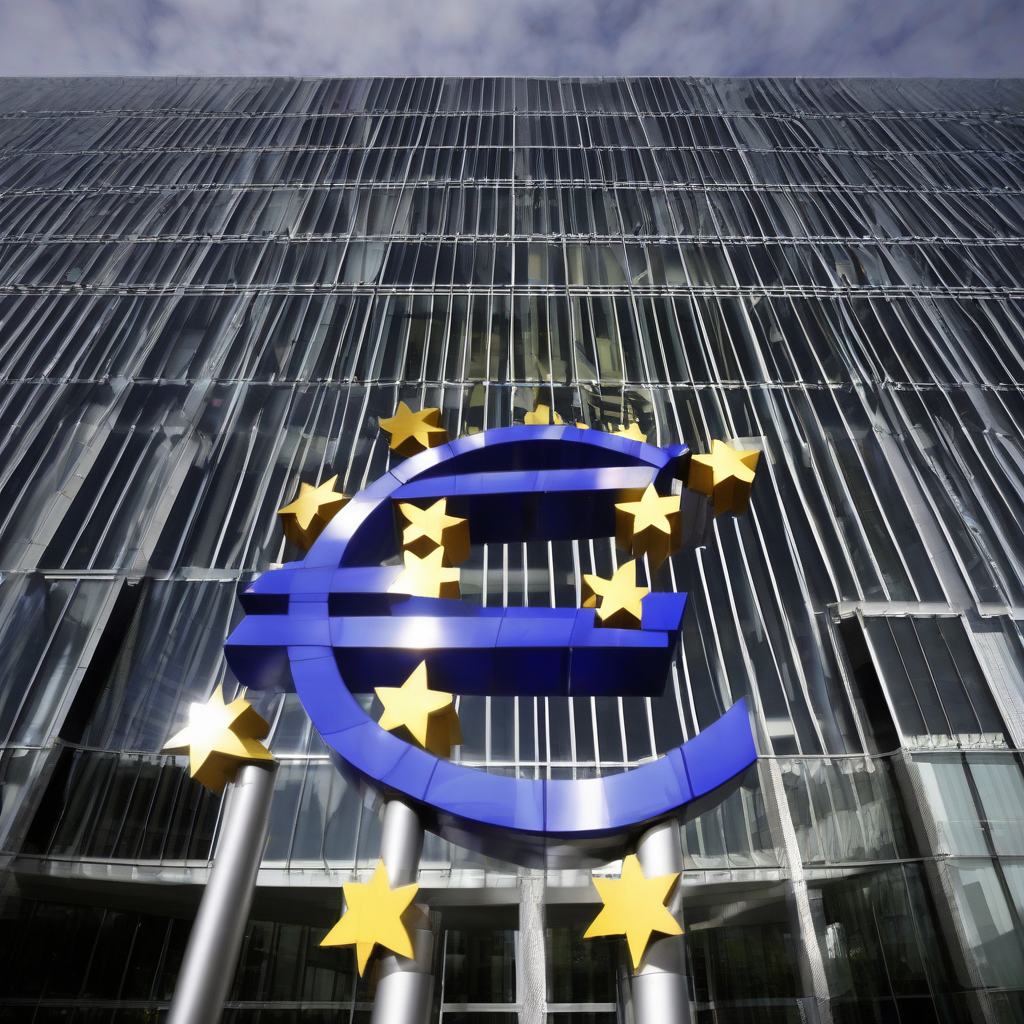

The European Central Bank (ECB) has officially introduced the Bank Lending Tightening (BIG) index, a new analytical instrument designed to monitor credit conditions throughout the euro area. According to ECB reporting, this index serves as a comprehensive tool to capture the nuances of bank lending behavior and credit availability, which are vital components for assessing the monetary policy transmission mechanism.
Analytical Framework
The development of the BIG index responds to the need for a more granular understanding of how lending standards fluctuate in response to economic cycles and policy adjustments. By synthesizing data from multiple sources, the ECB aims to provide market participants and policymakers with a clearer picture of how credit flows are impacting businesses and households.
| Feature | Details |
|---|---|
| Index Name | BIG (Bank Lending Tightening) |
| Primary Authority | European Central Bank (ECB) |
| Focus Area | Euro Area Credit Conditions |
| Utility | Monetary Policy Transmission Analysis |
By tracking these metrics, the ECB intends to refine its oversight of financial intermediaries. The index specifically focuses on identifying shifts in credit supply, providing a standardized measure that accounts for variances across member states. This initiative represents a formal effort by the ECB to improve transparency regarding how restrictive or accommodative bank lending policies become over specific periods.
Why It Matters
The introduction of the BIG index signals a shift toward more data-driven monetary surveillance within the European Union. By isolating credit tightening trends, the ECB is better positioned to identify risks of liquidity crunches before they permeate the broader macro-economic environment. For investors and financial institutions, this index functions as a leading indicator of economic health. If the BIG index trends upward, it suggests a contraction in credit, which typically precedes a slowdown in capital expenditure and consumer spending. This tool allows for more precise calibration of interest rate policy, potentially reducing the lag time between policy implementation and real-world economic reaction.
Reader Discussion & Insights