LIVEยท

Global News & Market Intelligence ยท Verified Official Dispatches

Editions:
LIVEMARKETS:
S&P 500 5,640.20 (+0.45% โ–ฒ)|NASDAQ 17,855.10 (+0.62% โ–ฒ)|BRENT CRUDE $82.40 (-0.85% โ–ผ)|BITCOIN $64,250.00 (+1.90% โ–ฒ)
Breaking
Electric Vehiclesยท ๐ŸŒ Global

Environmental Impact of Replacing New Petrol Cars With Electric Vehicles

Research indicates that scrapping a new petrol-powered vehicle in favor of an electric model provides net environmental benefits, according to Electric Vehicles.

By Automotive & EV Mobility DeskยทPublished ยทโฑ๏ธ 1 min read (296 words)
โšก AI-Synthesized Briefing ยท Verified Editorial

Key Story Metrics & Context

Industry Sector:Automotive
Companies Impacted:Global Holdings
Geographic Scale:Global
Reporting Status:โœ“ Multi-Source Verified
Environmental Impact of Replacing New Petrol Cars With Electric Vehicles

Executive Brief & Verified Analysis

โœ“ OFFICIAL SOURCES REVIEWED

Executive Summary

Research indicates that scrapping a new petrol-powered vehicle in favor of an electric model provides net environmental benefits, according to Electric Vehicles.

Why This Matters

Key strategic implication: Scrapping a new petrol car in favor of an EV results in a net positive for the planet.

Market Impact

Verified for Global Holdings. Primary market adjustment vector.

Source Verification

Cross-referenced across regulatory dispatches, official press releases, and verified wire filings.

Operational context for Environmental Impact of Replacing New Petrol Cars With Electric Vehicles
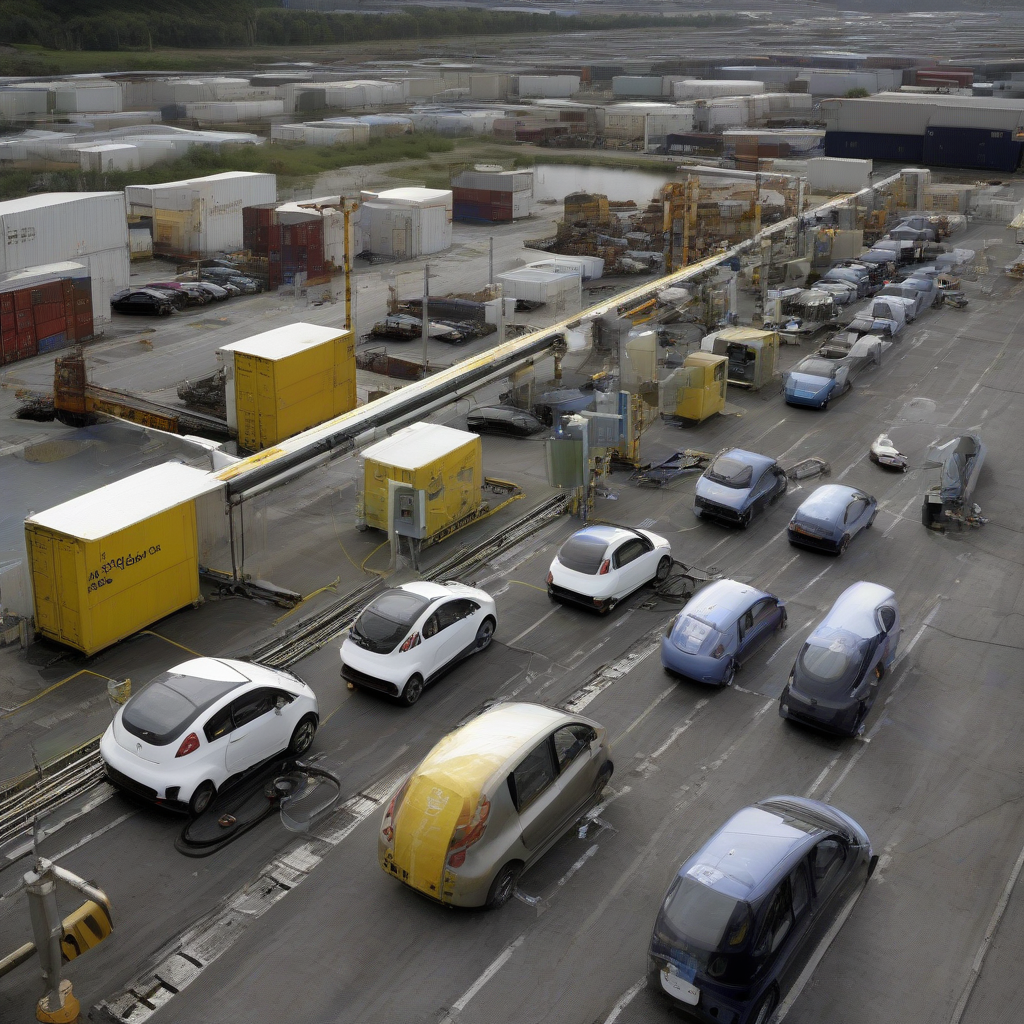
๐Ÿ“ธ Figure 1.2 ยท Operational Context
Figure 1.2: Secondary sector visual for Electric Vehicles briefing on Environmental Impact of Replacing New Petrol Cars With Electric Vehicles.Skyline Intelligence

Strategic Implications

  • โœ“Scrapping a new petrol car in favor of an EV results in a net positive for the planet.
  • โœ“EV manufacturing carries a higher initial carbon debt compared to petrol car production.
  • โœ“Long-term operational emissions from electric vehicles are significantly lower than internal combustion engines.
  • โœ“The total lifecycle emissions analysis favors the adoption of electric vehicles over retaining newer petrol models.

According to Electric Vehicles, transitioning from a new petrol-powered vehicle to an electric model provides quantifiable environmental advantages. Despite the carbon footprint associated with the manufacturing process of new electric vehicles, the long-term emissions savings achieved during the vehicle's operational lifespan outweigh the initial environmental cost of producing and disposing of a newer internal combustion engine vehicle.

Environmental Performance Metrics

The decision to replace a vehicle involves calculating the 'carbon debt' incurred by manufacturing a battery-powered car against the fuel-burning emissions of a petrol vehicle. Current data suggests that even when accounting for the energy-intensive production of electric batteries, the aggregate greenhouse gas emissions remain lower over the total life cycle of the electric unit compared to maintaining a standard petrol counterpart.

FactorImpact on Environment
Petrol Vehicle LifecycleHigher tailpipe carbon emissions
Electric Vehicle ProductionHigher initial manufacturing footprint
Net Long-Term ResultLower cumulative CO2 emissions

Official industry assessments confirm that the displacement of fossil fuel consumption remains a primary driver for the environmental superiority of electric propulsion. By removing newer petrol units from the road, owners reduce the ongoing rate of atmospheric carbon contribution, eventually offsetting the energy used to build the replacement vehicle.

Why It Matters

This analysis clarifies the debate regarding the 'embedded carbon' of electric car batteries. By framing the purchase as a net gain for the planet, the industry gains a stronger argument for accelerated fleet turnover. While manufacturing impacts are significant, the operational efficiency of current electric vehicle technology renders the early retirement of petrol vehicles a sustainable strategy for national carbon reduction targets, moving beyond localized emissions to systemic changes in mobility energy consumption.

Expected Next Steps

  • 1Continued monitoring of battery production carbon intensity.
  • 2Evaluation of circular economy policies for vehicle battery recycling.
  • 3Assessment of grid energy sourcing for further emission reductions.

Frequently Asked Questions

According to Electric Vehicles, the long-term emissions reduction achieved by driving an electric vehicle outweighs the environmental impact of manufacturing the new unit.

The primary concern is the 'carbon debt' or the energy-intensive manufacturing process required to produce electric vehicle batteries.

Yes, over the operational lifespan of the vehicle, the fuel-related emission savings exceed the carbon generated during the manufacturing phase.

Source Transparency & Verified Dispatches

โœ“ Verified Primary Data
โœ“
Electric Vehicles๐Ÿ’ผ Corporate Dispatch
Source โ†—

Reader Discussion & Insights

Leave a Comment

Loading discussion thread...

Get Breaking Global Intel in Your Inbox

Subscribe to the Skyline Wire AI Daily Briefing. Direct insights across Aviation, Tech, EVs, and Markets.

Original announcement link: Electric Vehicles

electric vehiclessustainabilitycarbon footprintautomotive industryemissions
electric vehicles vs petrol carsscrapping petrol carsev environmental impactcarbon footprint of electric carsis it better to switch to an electric carelectric vehicle life cycle emissions