
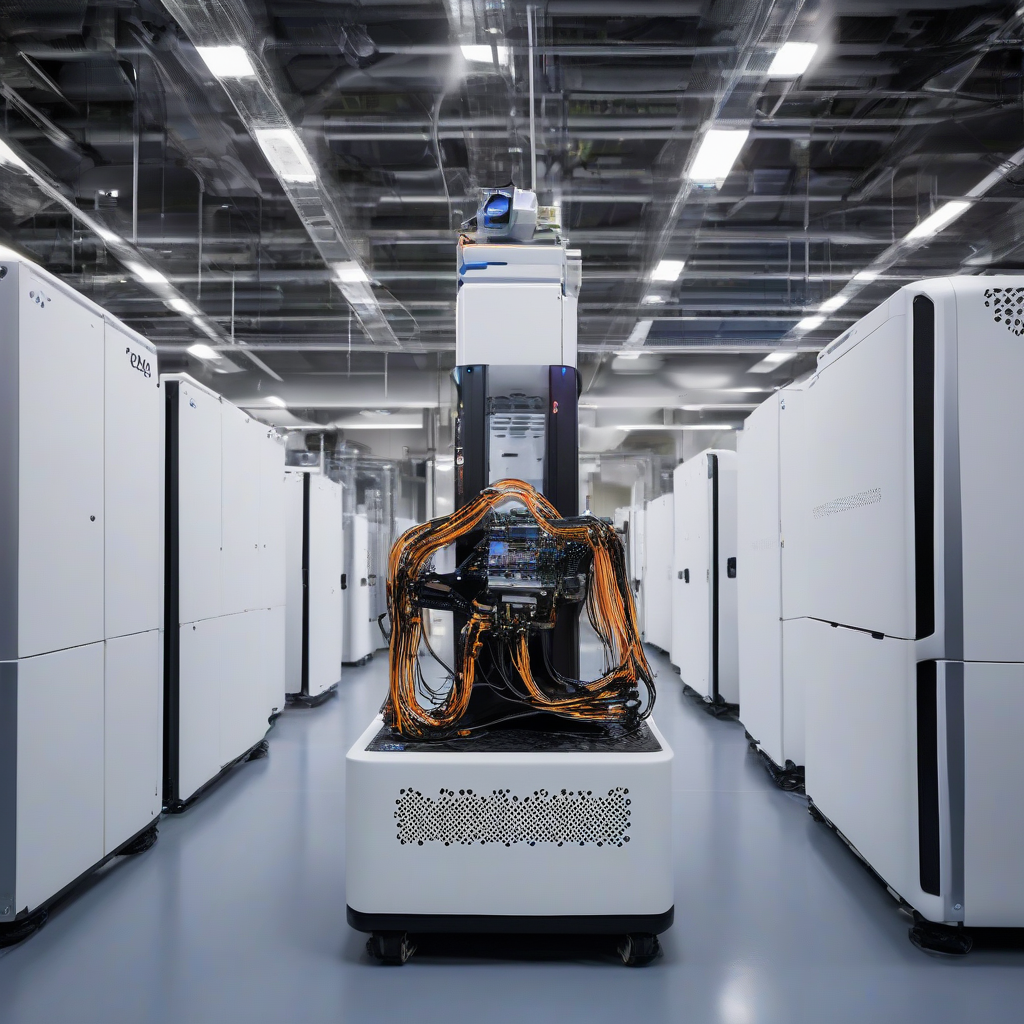

Estonian firm Rollo Robotics is developing a monowheel security robot designed to autonomously patrol industrial and commercial properties, according to Fox News — Tech. The 1Rollo system, currently in the prototype stage, utilizes artificial intelligence to navigate mapped routes while maintaining surveillance of its surroundings.
Technical Specifications and Navigation
The 1Rollo robot relies on a 360-degree computer vision system to monitor for potential security anomalies. For spatial orientation, the unit uses Real-Time Kinematic Global Navigation Satellite System (RTK GNSS) positioning. This technology utilizes correction data to achieve higher levels of precision than standard satellite navigation, ensuring the robot adheres strictly to its designated patrol paths.
When the system detects unusual activity, it communicates alerts to a human operator via Wi-Fi, 4G, or 5G connectivity. The operator then assesses the situation to determine if human intervention or additional security resources are required. The machine’s balance is maintained by a vertically positioned internal spinning flywheel that tilts to facilitate turns.
| Feature | Specification |
|---|---|
| Height | 43 inches |
| Wheel Diameter | 24 inches |
| Weight | 100 pounds |
| Top Speed | 19 mph |
Rollo Robotics has confirmed that the underlying technology for the balancing mechanism is currently patent-pending. While the design is intended to offer a narrow footprint for traversing constrained spaces, the manufacturer has yet to provide verified performance data regarding the unit's ability to navigate steep slopes, stairs, or uneven terrain.
Why It Matters
The integration of monowheel robotics into the security sector signals a shift toward specialized, low-cost autonomous monitoring solutions. By reducing the reliance on traditional patrol vehicles, firms can lower overhead while increasing the density of their surveillance coverage. However, the move toward automated mobile security introduces technical challenges regarding liability and situational awareness in unregulated outdoor environments. As companies like Rollo Robotics refine these prototypes, the industry must address how such autonomous agents interact with human employees and existing property infrastructure, specifically regarding the handover process from AI detection to human verification.
Reader Discussion & Insights