
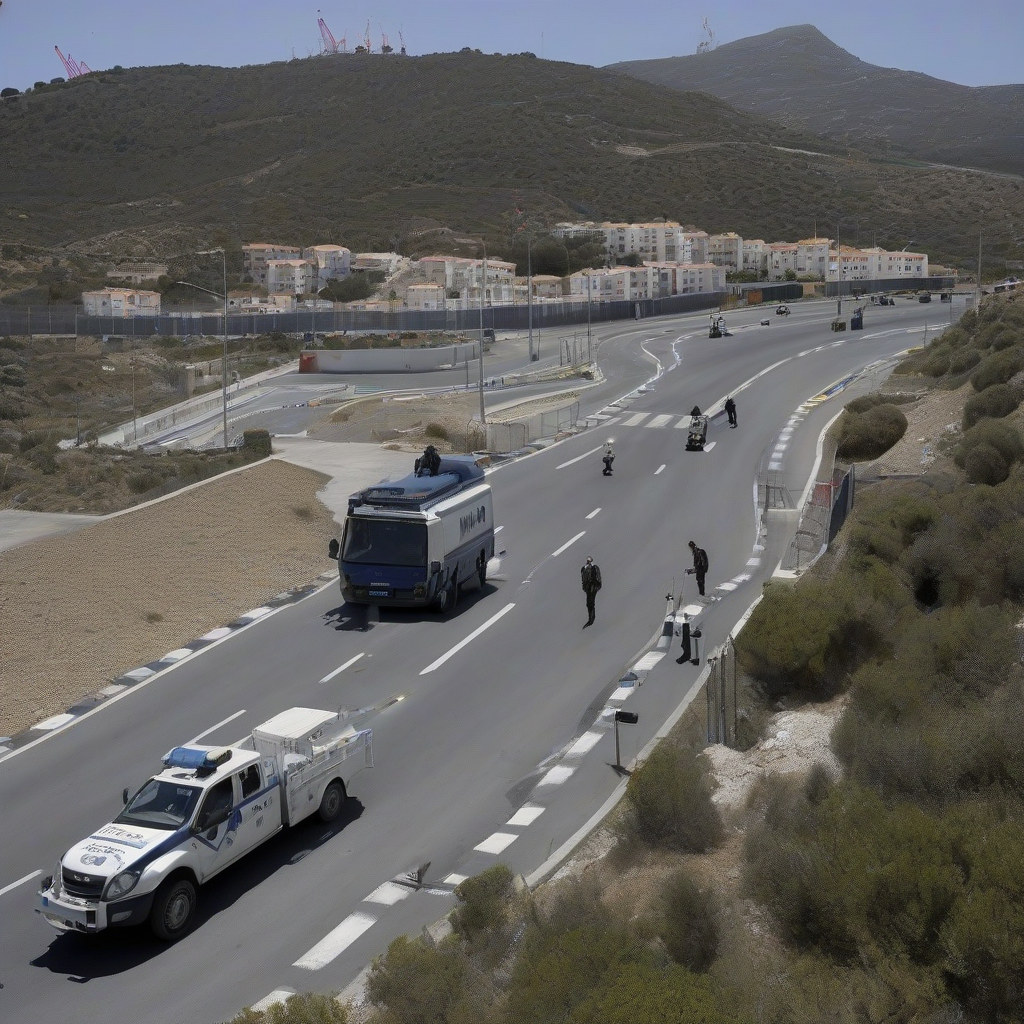
The European Commission has committed to providing emergency financial and operational support to Spain to help manage the border in Ceuta, according to Al Jazeera. This decision follows an emergency meeting convened to address the sudden arrival of more than 70,000 migrants at the Spanish enclave within the last week.
Incident Overview
The scale of the migration influx has created significant logistical and security challenges for Spanish authorities operating in the territory. The sudden volume of arrivals, which topped 70,000 individuals over a seven-day period, has pushed local infrastructure and border control facilities to their operational limits.
| Metric | Figure |
|---|---|
| Migrant Arrivals | > 70,000 |
| Reporting Period | 1 week |
| Location | Ceuta, Spain |
Spanish government officials requested assistance from the European Commission to fortify the perimeter and manage the humanitarian aspects of the situation. While specific budget allocations remain subject to finalized agreements, the Commission has indicated that the aid package will be prioritized to bolster surveillance technology and personnel deployment along the border.
Official Oversight
The European Commission, acting as the executive arm of the European Union, maintains regulatory oversight regarding the management of external borders under the Schengen Area framework. This emergency intervention is designed to ensure that the Spanish border agencies can maintain control while upholding international protection standards for those arriving at the frontier. The move reflects growing concern in Brussels over the potential for continued volatility at EU border points located on the African continent.
Why It Matters
This influx highlights the persistent vulnerability of EU external border infrastructure in North Africa. Beyond the immediate humanitarian requirements, the situation serves as a test for the European Union's migration coordination mechanisms. If the current model for border management proves insufficient under acute stress, the EU may be forced to accelerate plans for unified, automated border surveillance systems. This creates a downstream opportunity for defense and security technology contractors specializing in thermal imaging, motion sensing, and perimeter security logistics, as member states shift from manual monitoring to centralized, high-tech surveillance architectures.
Reader Discussion & Insights