
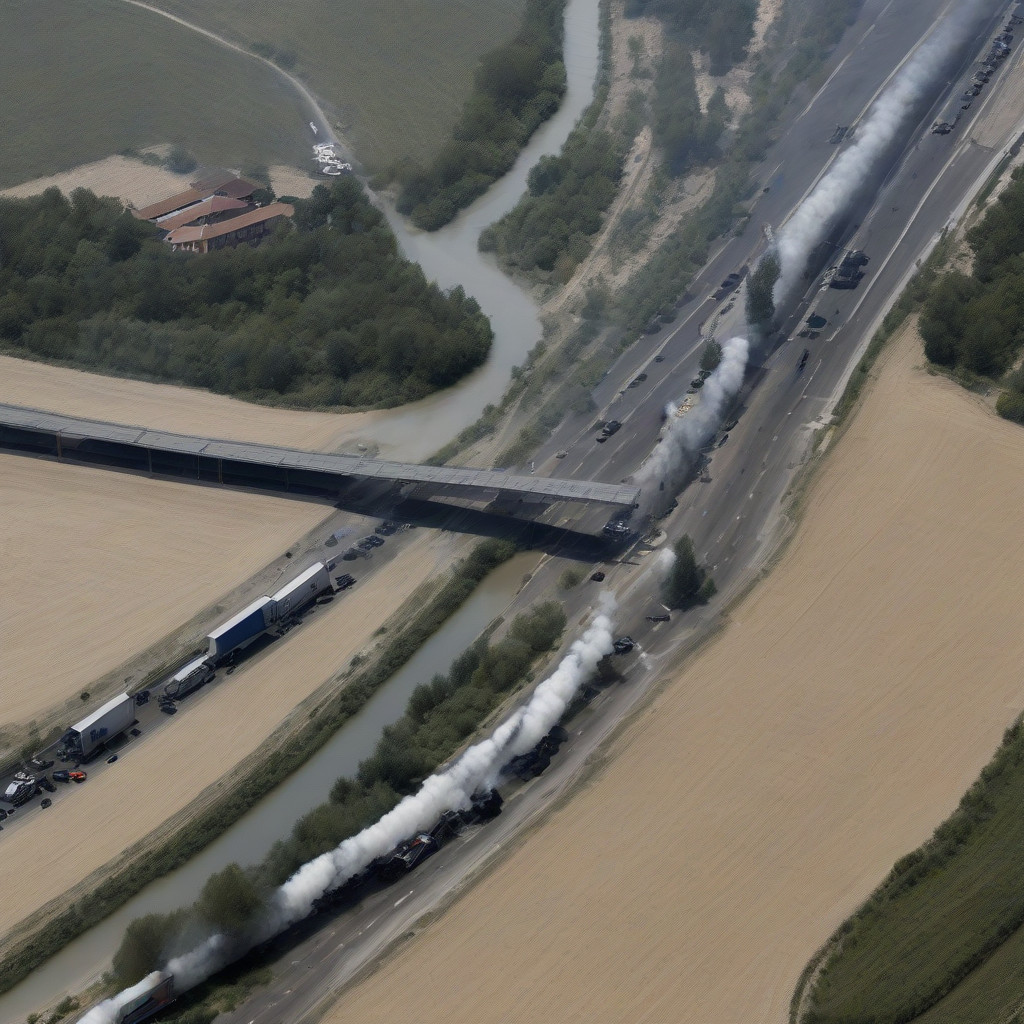
A widespread heat wave currently gripping Europe is causing significant infrastructure and environmental strain, according to NPR — World. Water levels in major transit arteries such as the Danube and Rhine have reached concerning lows, resulting in the unexpected discovery of submerged Nazi-era maritime wreckage that had been hidden for decades.
Beyond these archaeological revelations, the extreme temperatures are imposing direct risks on regional energy production. Nuclear power plants, which rely on river water for cooling operations, are facing heightened operational vulnerabilities as water temperatures rise and volumes decrease. Simultaneously, Greece is contending with severe, deadly wildfires that continue to challenge local emergency response efforts.
Infrastructure and Climate Impacts
The following table outlines the areas of concern currently impacting European industrial and environmental systems:
| Sector | Incident Type | Primary Impact |
|---|---|---|
| Maritime | Danube/Rhine | Low levels reveal Nazi-era wrecks |
| Energy | Nuclear Power | Cooling systems at risk due to heat |
| Emergency | Wildfires | Fatalities and resource strain in Greece |
European regulatory bodies, including the European Commission, monitor these environmental conditions as they directly correlate to the stability of energy grids and logistical supply chains. The combination of sustained high temperatures and drought conditions has historically triggered regional supply volatility, forcing utilities to manage thermal load limitations during peak periods.
Why It Matters
The current climate conditions demonstrate a fragility in European industrial infrastructure that extends beyond standard seasonal weather variations. When environmental stressors force the reduction of nuclear output or constrain inland waterway logistics, the continent’s energy market and supply chain costs face immediate upward pressure. Policymakers must increasingly account for these extreme environmental variables when projecting baseload energy requirements and trade logistics, as the recurring nature of these heat waves necessitates a fundamental shift in how thermal cooling and transport reliability are managed under climate-adjusted stress tests.
Reader Discussion & Insights