
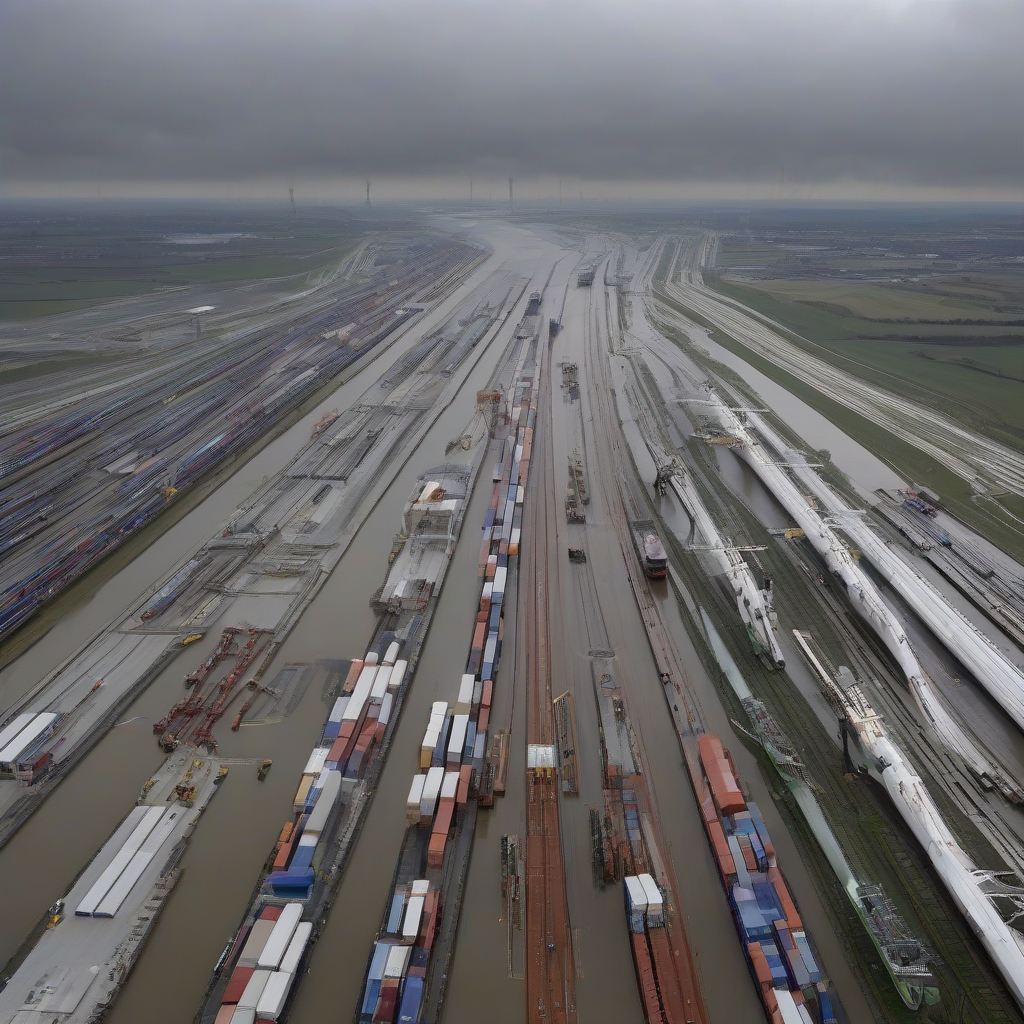

European inland waterways remain at critically low levels as meteorological forecasts indicate that impending August rainfall will be neither widespread nor sustained enough to reverse current drought conditions. According to gCaptain, the lack of sufficient water depth continues to pose a major obstacle to the region’s logistics sector, forcing vessel operators to contend with persistent draft restrictions and supply chain disruptions.
While modest precipitation events are expected throughout the month, hydrologists and industry analysts suggest these short-term gains will be quickly offset by a secondary wave of high temperatures. These thermal conditions are predicted to exacerbate evaporation rates, effectively neutralizing any minor gains in river volume. Consequently, the commercial shipping industry remains locked in a cycle of limited load capacities and increased logistics overhead.
Current Operational Impacts
| Operational Area | Primary Impact | Status |
|---|---|---|
| Inland Shipping | Restricted Vessel Draft | Ongoing |
| Logistics | Reduced Payload Capacity | High Severity |
| Energy Sector | Power Supply Constraints | Monitoring |
These waterway limitations have direct consequences for energy security and industrial output, as European power plants rely on these routes to transport essential fuel supplies. As the heatwave persists, the potential for further tightening of logistics capacity remains a primary concern for commodity traders and manufacturing firms across the continent.
Why It Matters
The persistent inability of inland waterways to recover highlights a structural fragility in European internal trade. When primary arteries like the Rhine and Danube face depth restrictions, the logistics cost curve shifts upward, disproportionately impacting heavy industry and energy commodities. This situation creates a 'bottleneck effect' where the inability to utilize low-cost water transport forces freight onto more expensive road and rail networks, which are already nearing capacity. Sustained water scarcity threatens not only current inventory levels but also the replenishment strategies required to maintain adequate energy stocks ahead of the winter season.
Reader Discussion & Insights