
LIVE·

Global News & Market Intelligence · Verified Official Dispatches

Editions:
LIVEMARKETS:
S&P 500 5,640.20 (+0.45% )|NASDAQ 17,855.10 (+0.62% )|BRENT CRUDE $82.40 (-0.85% )|BITCOIN $64,250.00 (+1.90% )
Breaking
Oil· 🇪🇺 Europe

European Electricity Prices Hit €500 per Megawatt-Hour Amid Heatwave

Electricity prices in Europe have reached €500 per megawatt-hour as extreme summer heat forces nuclear plant shutdowns and strains regional energy infrastructure.

By Energy & Climate Policy Desk·Published ·⏱️ 1 min read (303 words)
⚡ AI-Synthesized Briefing · Verified Editorial

Key Story Metrics & Context

Industry Sector:Energy
Companies Impacted:Paks Nuclear Power Plant
Geographic Scale:France 🇫🇷, Hungary 🇭🇺
Reporting Status:✓ Multi-Source Verified
European Electricity Prices Hit €500 per Megawatt-Hour Amid Heatwave

Executive Brief & Verified Analysis

✓ OFFICIAL SOURCES REVIEWED

Executive Summary

Electricity prices in Europe have reached €500 per megawatt-hour as extreme summer heat forces nuclear plant shutdowns and strains regional energy infrastructure.

Why This Matters

Key strategic implication: European electricity prices have risen to €500 per megawatt-hour.

Market Impact

Verified for Paks Nuclear Power Plant. Primary market adjustment vector.

Source Verification

Cross-referenced across regulatory dispatches, official press releases, and verified wire filings.

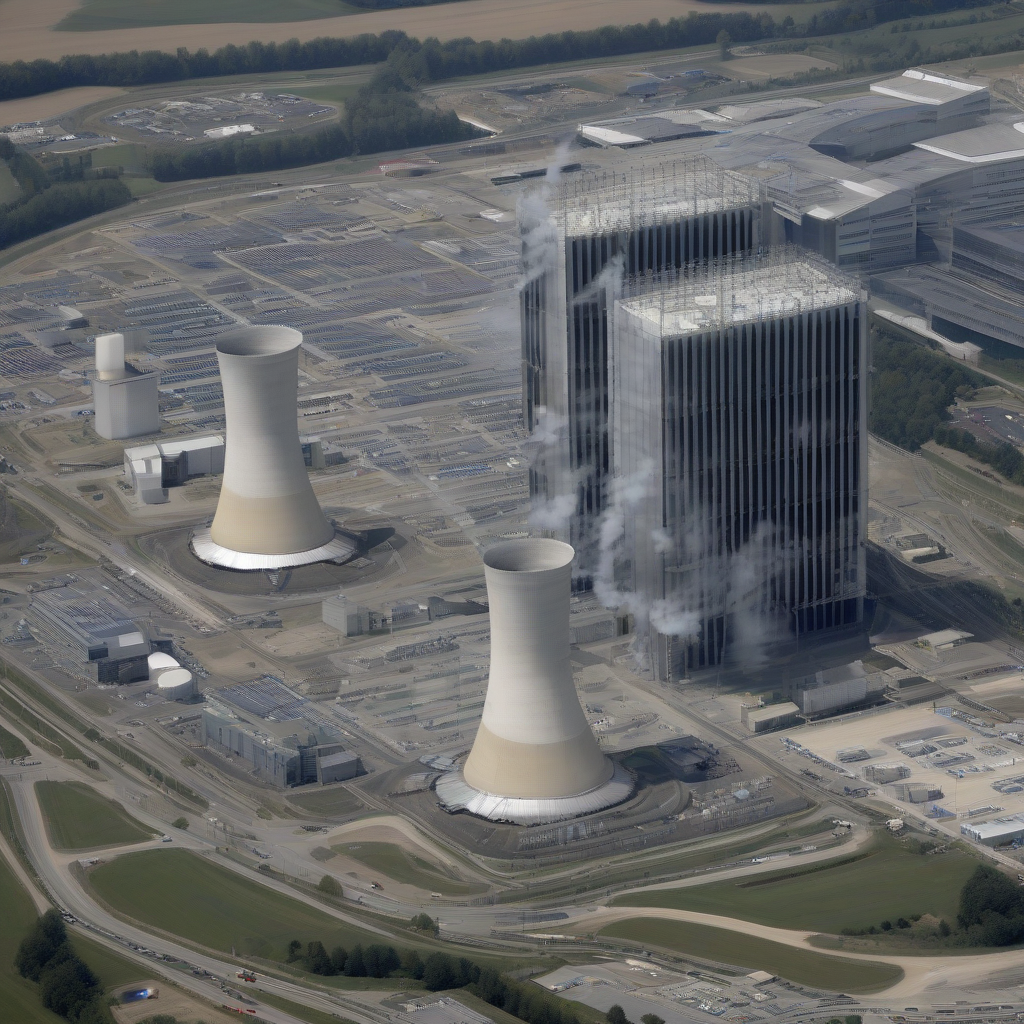
Operational context for European Electricity Prices Hit €500 per Megawatt-Hour Amid Heatwave
📸 Figure 1.2 · Operational Context
Figure 1.2: Secondary sector visual for Oil briefing on European Electricity Prices Hit €500 per Megawatt-Hour Amid Heatwave.Skyline Intelligence

Strategic Implications

  • European electricity prices have risen to €500 per megawatt-hour.
  • France reduced nuclear output and closed reactors at a record pace last month due to water supply shortages.
  • The Paks nuclear power plant in Hungary was forced to shut down this week due to environmental constraints.

Electricity prices across Europe have reached €500 per megawatt-hour, driven by intense summer heat waves that have simultaneously spiked cooling demand and limited generation capacity, according to OilPrice.com. The combination of soaring temperatures and arid conditions is severely constraining the continent's energy security.

The current climate conditions have created a dual challenge for regional power markets. As residents increase their use of air conditioning, electricity demand has surged. Simultaneously, the warming and depletion of river systems have hindered operations for vital cooling-dependent infrastructure. France, a cornerstone of European nuclear energy, was forced last month to throttle output and shutter reactors at a record pace due to concerns over insufficient water supplies required to maintain safe reactor temperatures.

The crisis intensified this week as Hungary reported the necessity of shutting down its Paks nuclear power plant. The inability to adequately cool these facilities during sustained periods of extreme heat underscores the vulnerability of the European power grid to climate-related disruptions.

Energy Generation Impact

Facility TypePrimary Operational ChallengeCurrent Status
Nuclear ReactorsWater cooling limitationsReduced output / Shutdowns
HydropowerDepleted water reservesRestricted generation

Why It Matters

The reliance on river water for thermal cooling represents a systemic vulnerability in the European energy strategy that many regulators overlooked during initial grid planning. This reliance forces a direct correlation between meteorology and energy market stability. For industrial manufacturers and utility providers, this volatility suggests that electricity price spikes will occur more frequently during summer months, necessitating urgent investment in closed-loop cooling technologies or more diverse grid inputs. Markets must now reconcile the declining reliability of traditional baseload thermal power with the intermittent nature of renewables during extreme heat events.

Deployment Roadmap & Timeline

Last month

France reduced nuclear output and shuttered reactors at a record pace.

This week

Hungary shut down the Paks nuclear power plant.

Expected Next Steps

  • 1Assessment of alternative cooling infrastructure for European nuclear facilities.
  • 2Grid stabilization efforts by regional energy regulators.
  • 3Monitoring of potential further plant shutdowns if heatwave conditions persist.

Frequently Asked Questions

Electricity prices have spiked to €500 per megawatt-hour due to the ongoing heat wave.

Extreme heat and low water levels in rivers have limited the ability of these plants to access sufficient, safe water for cooling their reactors.

Higher temperatures increase electricity demand for air conditioning while simultaneously reducing the output capacity of nuclear and hydropower plants.

Source Transparency & Verified Dispatches

✓ Verified Primary Data
OilPrice.com💼 Corporate Dispatch
Source ↗

Reader Discussion & Insights

Leave a Comment

Loading discussion thread...

Get Breaking Global Intel in Your Inbox

Subscribe to the Skyline Wire AI Daily Briefing. Direct insights across Aviation, Tech, EVs, and Markets.

Original announcement link: OilPrice.com

energyeuropeelectricityheatwavenuclear
european electricity pricesmegawatt-hour cost europenuclear power plant shutdownheatwave energy impactfrance nuclear energyhungary paks power plantenergy crisis europe