
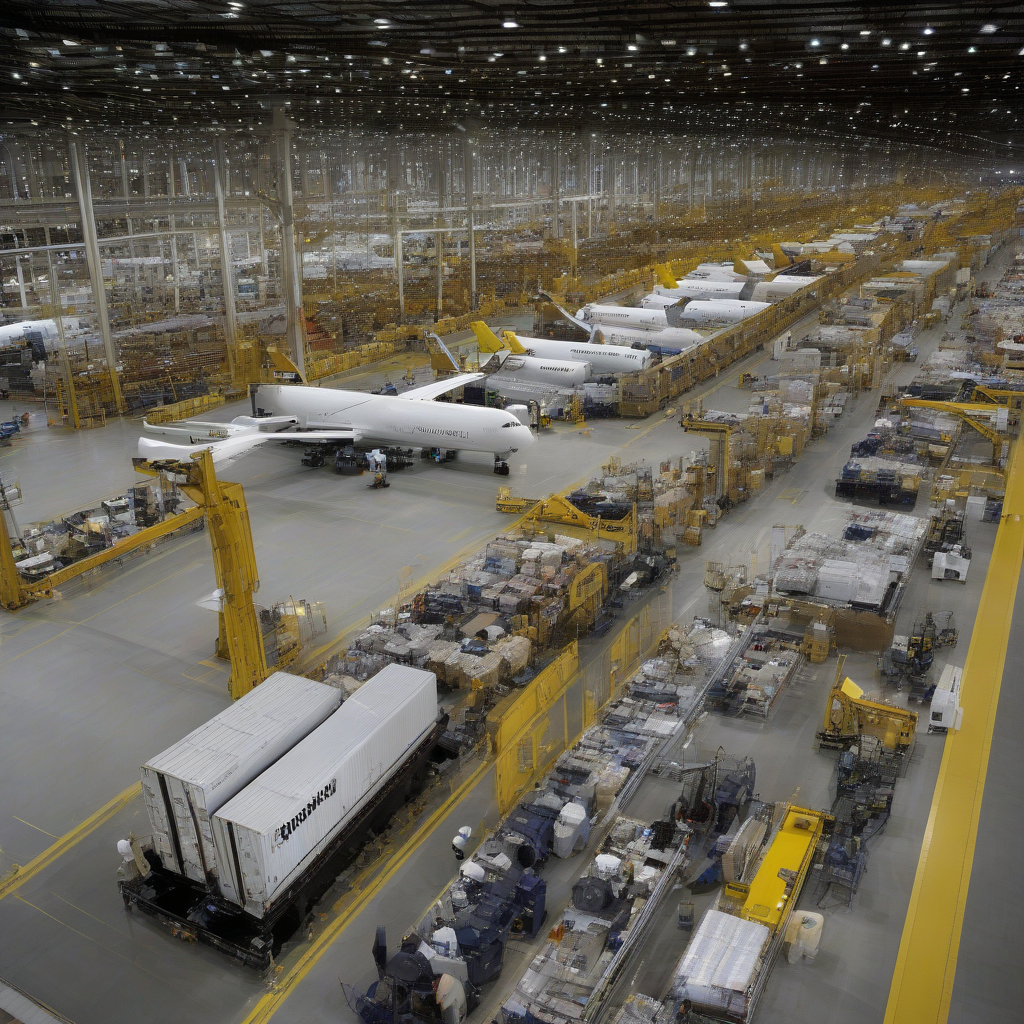
Expeditors International, trading under the ticker NYSE: EXPD, reported strong financial results for the second quarter, characterized by significant year-over-year gains in volume and revenue. According to FreightWaves, the company experienced a 32% increase in revenue, climbing to $3.5 billion from $2.65 billion during the same period in the previous year. Operating income also saw a notable rise, growing 41% to $349.6 million from $247.7 million in 2025, while net income reached $2.03 per share compared to $1.34 a year prior.
Air freight operations served as a primary catalyst for this performance. Expeditors reported a 14% increase in air freight volume, measured in kilos, for the quarter. This momentum accelerated over the three-month period: volume grew by 13% in April, 14% in May, and 15% in June. CEO Daniel Wall attributed this success to operational execution and a strategy focused on increasing growth across diverse regions and product lines.
Freight Performance Summary
| Freight Type | April Performance | May Performance | June Performance | Quarter Total |
|---|---|---|---|---|
| Air Freight (Kilos) | +13% | +14% | +15% | +14% |
| Ocean Freight (FEUs) | -9% | +1% | +9% | Flat |
In contrast to the air freight sector, ocean freight performance, measured in forty-foot equivalent units (FEUs), remained largely flat. While June saw a 9% gain, this followed a 9% decline in April and a 1% increase in May.
Management highlighted that air freight rates remained "highly elevated" due to demand outstripping available capacity, a situation exacerbated late in the quarter. Furthermore, geopolitical tensions in the Middle East limited passenger flight belly capacity, while increased demand from "hyperscalers"—data center and cloud system operators—drove a specific need for freighter space with upper-deck access to accommodate large-scale server transport.
Why It Matters
The reliance on Expeditors by hyperscalers signals a permanent shift in logistics procurement. As cloud infrastructure providers scale globally, they are no longer just consumers of shipping services; they are active participants in supply chain capacity management. By requiring upper-deck freighter access, these tech giants are directly competing with traditional high-value commercial cargo for limited air capacity. This trend suggests that logistics providers must now bridge the gap between traditional freight forwarding and specialized IT infrastructure supply chain management, potentially forcing smaller shippers out of the air cargo market as capacity becomes increasingly prioritized for data center equipment.
Reader Discussion & Insights