
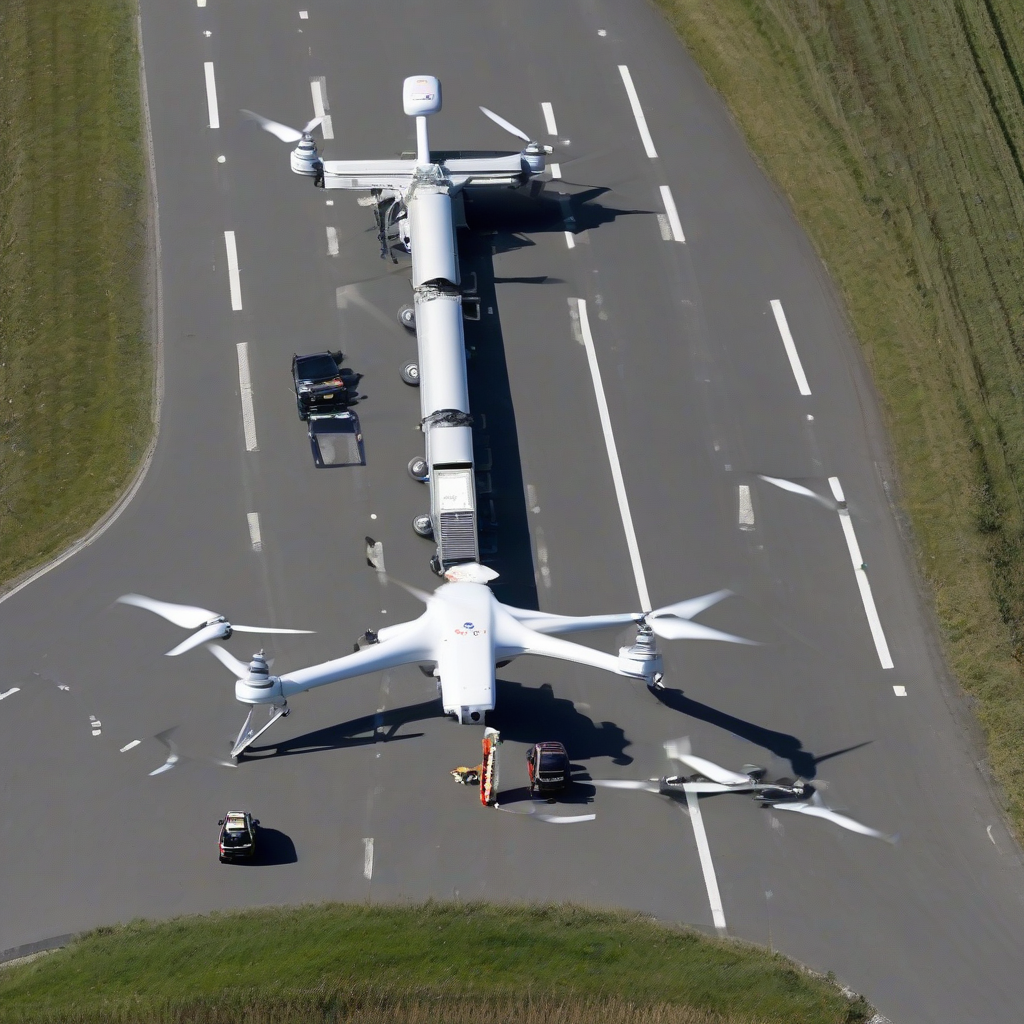

A significant security incident occurred at a German airport after staff identified an unmanned aerial vehicle carrying an unknown explosive payload. According to NPR — World, the drone was discovered in the immediate vicinity of the airport’s south runway by an employee. Following the discovery, local police and regional prosecutors secured the site to facilitate a formal examination of the device.
Incident Data Summary
| Item | Description |
|---|---|
| Asset Discovered | Unmanned Aerial Vehicle (Drone) |
| Load | Unknown explosive device |
| Discovery Location | Airport south runway |
| Primary Responders | Regional police and prosecutors |
Law enforcement officials have launched a thorough analysis of the hardware to determine its origin and operational intent. The discovery of a weaponized drone on airport premises introduces complex logistical and safety challenges for civil aviation authorities, who must now calibrate their perimeter defenses against increasingly accessible aerial threats. German authorities have indicated that this recovery represents a 'new quality' of security threat to civilian infrastructure.
While the specific identity of the airport was not disclosed in the immediate reports, the presence of such hardware suggests a sophisticated bypass of traditional perimeter security measures. European aviation regulators, including the EASA, consistently emphasize the integration of counter-drone technologies as a requirement for modernizing airport safety frameworks. The investigation remains ongoing as police look into potential flight patterns or local remote control signals associated with the device.
Why It Matters
The infiltration of airport grounds by weaponized drones signifies a shift in the threat profile for global aviation hubs. Historically, security efforts have prioritized cabin-side screening and perimeter fencing; however, low-altitude aerial access requires a rapid deployment of electronic jamming and advanced radar detection systems. If these platforms become commonplace, airports may face recurring ground-stop events or mandatory airspace closures. The financial implications include elevated insurance premiums for operators and the inevitable necessity of capital-intensive investments in anti-drone technology suites to maintain operational continuity.
Reader Discussion & Insights