
LIVEยท

Global News & Market Intelligence ยท Verified Official Dispatches

Editions:
LIVEMARKETS:
S&P 500 5,640.20 (+0.45% โ–ฒ)|NASDAQ 17,855.10 (+0.62% โ–ฒ)|BRENT CRUDE $82.40 (-0.85% โ–ผ)|BITCOIN $64,250.00 (+1.90% โ–ฒ)
Breaking
Appleยท ๐Ÿ‡บ๐Ÿ‡ธ United States

FCC Ends Multi-Market Broadcast Ownership Restriction

The FCC has officially ended a long-standing rule limiting broadcast station ownership, allowing for broader media consolidation across various US markets.

By Global Markets & Intelligence DeskยทPublished ยทโฑ๏ธ 2 min read (334 words)
โšก AI-Synthesized Briefing ยท Verified Editorial

Key Story Metrics & Context

Industry Sector:Broadcasting
Companies Impacted:Federal Communications Commission
Geographic Scale:USA ๐Ÿ‡บ๐Ÿ‡ธ
Reporting Status:โœ“ Multi-Source Verified
FCC Ends Multi-Market Broadcast Ownership Restriction

Executive Brief & Verified Analysis

โœ“ OFFICIAL SOURCES REVIEWED

Executive Summary

The FCC has officially ended a long-standing rule limiting broadcast station ownership, allowing for broader media consolidation across various US markets.

Why This Matters

Key strategic implication: The FCC has formally removed previous caps on the ownership of broadcast stations within local markets.

Market Impact

Verified for Federal Communications Commission. Primary market adjustment vector.

Source Verification

Cross-referenced across regulatory dispatches, official press releases, and verified wire filings.

Operational context for FCC Ends Multi-Market Broadcast Ownership Restriction
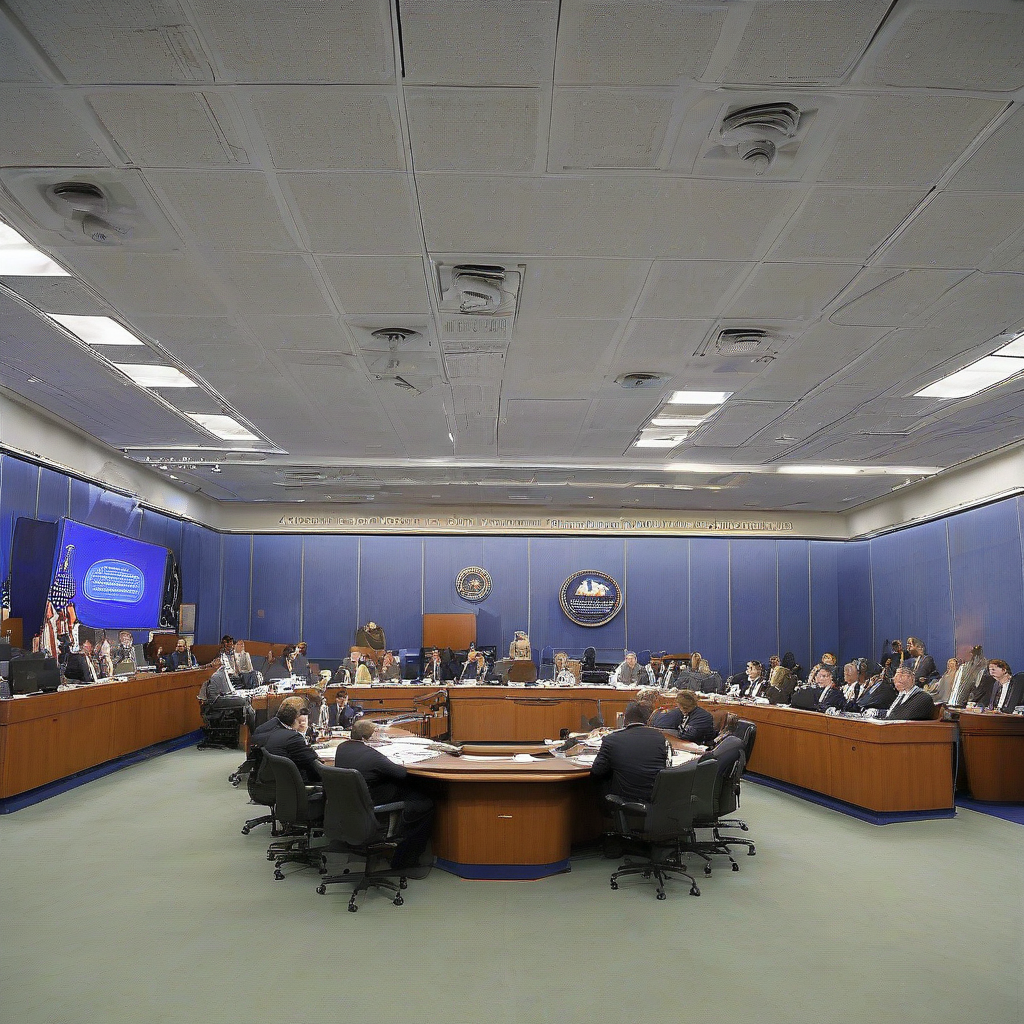
๐Ÿ“ธ Figure 1.2 ยท Operational Context
Figure 1.2: Secondary sector visual for Apple briefing on FCC Ends Multi-Market Broadcast Ownership Restriction.Skyline Intelligence

Strategic Implications

  • โœ“The FCC has formally removed previous caps on the ownership of broadcast stations within local markets.
  • โœ“The decision aims to address the competitive challenges traditional broadcasters face from internet-based streaming services.
  • โœ“This move facilitates greater horizontal consolidation of media assets for major broadcast entities.

The Federal Communications Commission (FCC) has finalized a policy change that removes historical restrictions on the ownership of broadcast stations across multiple markets, according to The Verge. This regulatory shift eliminates barriers that previously prevented media conglomerates from consolidating regional television and radio assets, signaling a major adjustment in how federal agencies oversee media competition.

The updated policy focuses on the elimination of the local radio ownership rule, a framework that has been in place for decades to maintain market diversity. By removing these constraints, the Commission is enabling broadcast entities to acquire a larger percentage of stations within a single geographic area. Industry analysts suggest this move will expedite the integration of local news and programming assets under unified corporate banners.

Impact of Ownership Rule Changes

Regulatory AreaPrevious LimitationCurrent Status
Multi-Market OwnershipRestrictedLifted
Radio ConcentrationCapped by market sizeDe-regulated
Cross-Platform MediaSubject to FCC reviewPermissive

This decision aligns with broader agency efforts to modernize communication standards that were established prior to the digital transition. Regulatory filings from the FCC indicate that the commission believes current competition from streaming and internet-based media services negates the need for stringent local ownership caps. While the agency maintains oversight of mergers, the specific quantitative limits that once prevented horizontal growth in the broadcast sector have been struck from the books.

Why It Matters

The deregulation of broadcast ownership serves as a signal that the FCC is prioritizing economic scale over the localized content diversity that previously mandated independent ownership. As traditional broadcast entities compete against global streaming platforms for advertising dollars, this move allows them to pool resources, potentially stabilizing local newsrooms that have struggled with declining margins. However, critics argue this will reduce the variety of editorial viewpoints available to local communities, as consolidated ownership often leads to centralized programming and staffing reductions at smaller, local-market stations.

Expected Next Steps

  • 1Broadcast groups are expected to initiate merger and acquisition strategies for local stations.
  • 2Media watchdogs will likely challenge the scope of the rule change in federal court.
  • 3The FCC may issue further guidance on how these ownership changes affect public interest obligations.

Frequently Asked Questions

The FCC removed long-standing restrictions that limited how many broadcast stations a single entity could own within specific local markets.

The agency cited the increased competition from internet and streaming services as a primary reason to modernize and loosen legacy broadcast regulations.

Industry experts suggest it may lead to further consolidation of local newsrooms, which could result in centralized programming rather than locally produced content.

Source Transparency & Verified Dispatches

โœ“ Verified Primary Data
โœ“
Federal Communications Commission๐Ÿ’ผ Corporate Dispatch
Source โ†—

Reader Discussion & Insights

Leave a Comment

Loading discussion thread...

Get Breaking Global Intel in Your Inbox

Subscribe to the Skyline Wire AI Daily Briefing. Direct insights across Aviation, Tech, EVs, and Markets.

Original announcement link: The Verge

fccmediabroadcastingregulationtelecommunications
fcc broadcast ownership rulesmedia ownership regulationbroadcast station consolidationfcc policy updateradio market ownershipfederal communications commission news