
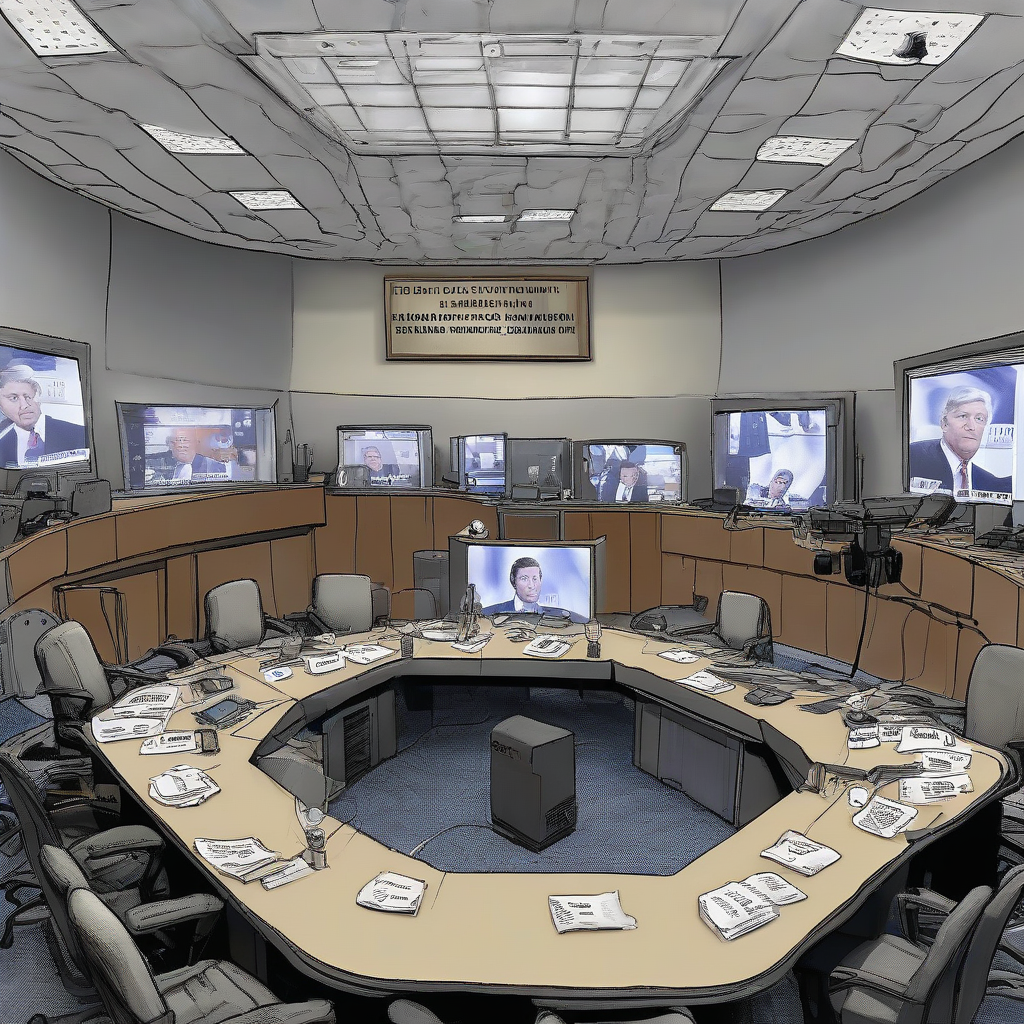

The Federal Communications Commission (FCC) has officially removed existing restrictions on broadcast television ownership, marking a notable shift in regulatory oversight for the media industry. According to Hacker News Front Page, this policy adjustment signals the end of long-standing caps that previously dictated how many stations a single entity could control. The decision follows a period of deliberation regarding the current effectiveness of media ownership concentration rules in the digital age.
While the FCC has not provided specific numerical ceilings in its latest directive, the ruling effectively deregulates the ownership threshold for television station groups. The action aligns with broader efforts to evaluate how traditional broadcast regulations interact with modern streaming and digital platforms. Although the source documentation (rcna587641) outlines the change, industry analysts are monitoring how these shifts impact market competition and local media diversity.
Key Data Summary
| Attribute | Detail |
|---|---|
| Regulatory Body | Federal Communications Commission (FCC) |
| Action | Scrapped broadcast ownership limits |
| Source ID | rcna587641 |
| HN Points | 11 |
| HN Comments | 3 |
Why It Matters
The removal of ownership caps is expected to catalyze a new wave of consolidation within the broadcast sector. By allowing media conglomerates to aggregate more local stations under single ownership, the policy reduces overhead and streamlines operations. However, this creates a potential tension with the FCC’s mandate to maintain a diversity of voices. Expect to see larger media groups aggressively acquiring smaller regional outlets to achieve economies of scale, effectively challenging the reach of independent broadcasters while potentially altering local programming standards across the country.
Reader Discussion & Insights