
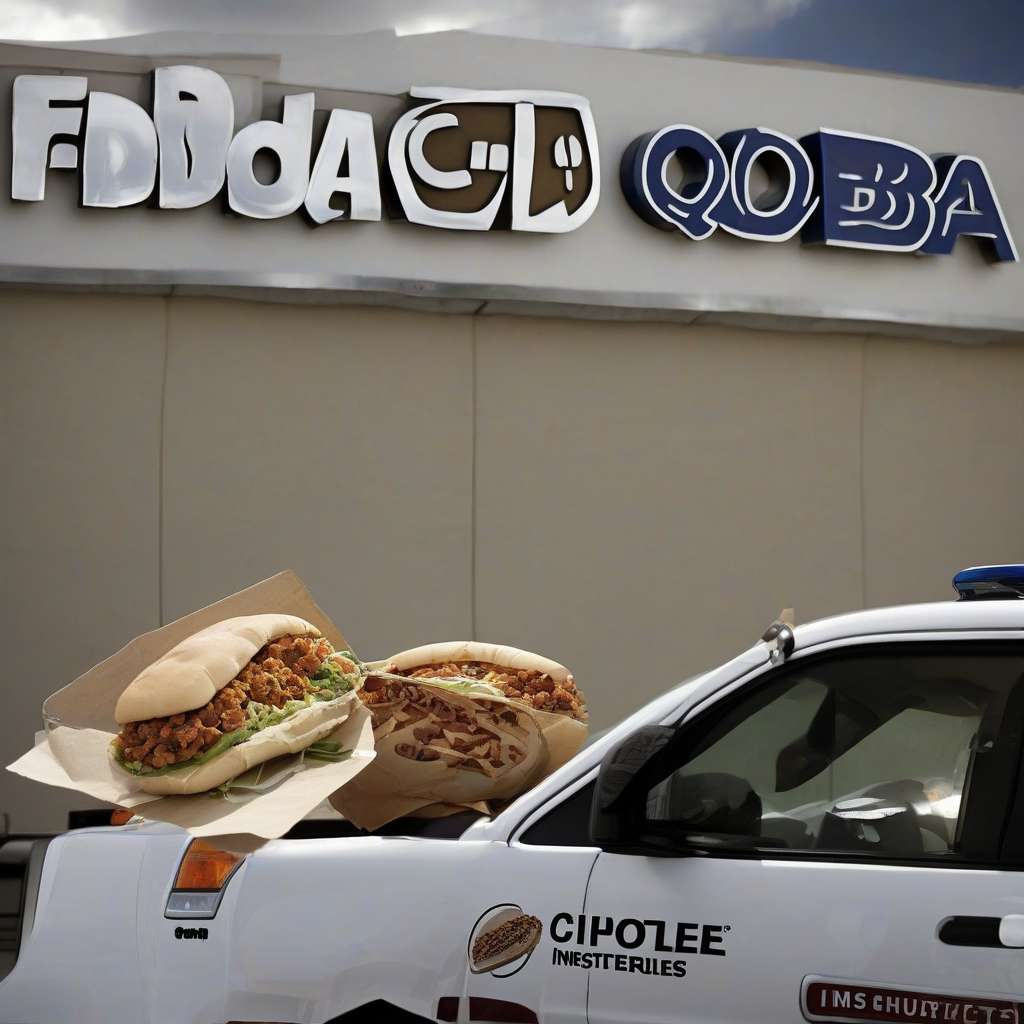

Federal health authorities have widened an ongoing foodborne illness investigation, identifying jalapenos served at major dining chains—including Chipotle and Qdoba—as the potential source of a spreading salmonella outbreak. According to ABC News — Top Stories, the Food and Drug Administration (FDA) is actively analyzing supply chains to determine the scope of the contamination.
Current Investigative Scope
The FDA is coordinating with state and local health departments to trace the origin of the tainted produce. While the investigation remains fluid, the primary focus is on the distribution networks providing peppers to these national restaurant brands. Public health officials are assessing whether the contamination occurred at the farm level, during processing, or within the transit and distribution channels.
| Restaurant Chain | Food Item Under Investigation | Regulatory Agency |
|---|---|---|
| Chipotle | Jalapenos | FDA |
| Qdoba | Jalapenos | FDA |
Official Regulatory Response
The FDA has not yet issued a formal recall for all jalapenos nationwide, but the agency is conducting rigorous testing to identify specific batches that may have caused illnesses. Restaurant operators are currently working in tandem with the FDA to remove any suspect inventory from circulation and to sanitize food preparation surfaces. Health experts advise that salmonella symptoms, which include fever, diarrhea, and abdominal cramps, typically appear between six hours and six days after exposure to the bacteria.
Why It Matters
The involvement of two major fast-casual industry leaders highlights the inherent vulnerabilities within centralized produce procurement models. When national chains share supply chain sources, a single point of contamination can trigger a broad geographical impact, creating operational challenges for the restaurants and intense scrutiny for the FDA. This event demonstrates the necessity for enhanced traceability protocols in the produce sector. As consumers demand higher transparency, large restaurant operators will likely face increased pressure to implement more granular verification systems for their raw agricultural inputs to mitigate the risk of widespread foodborne illness outbreaks.
Reader Discussion & Insights