
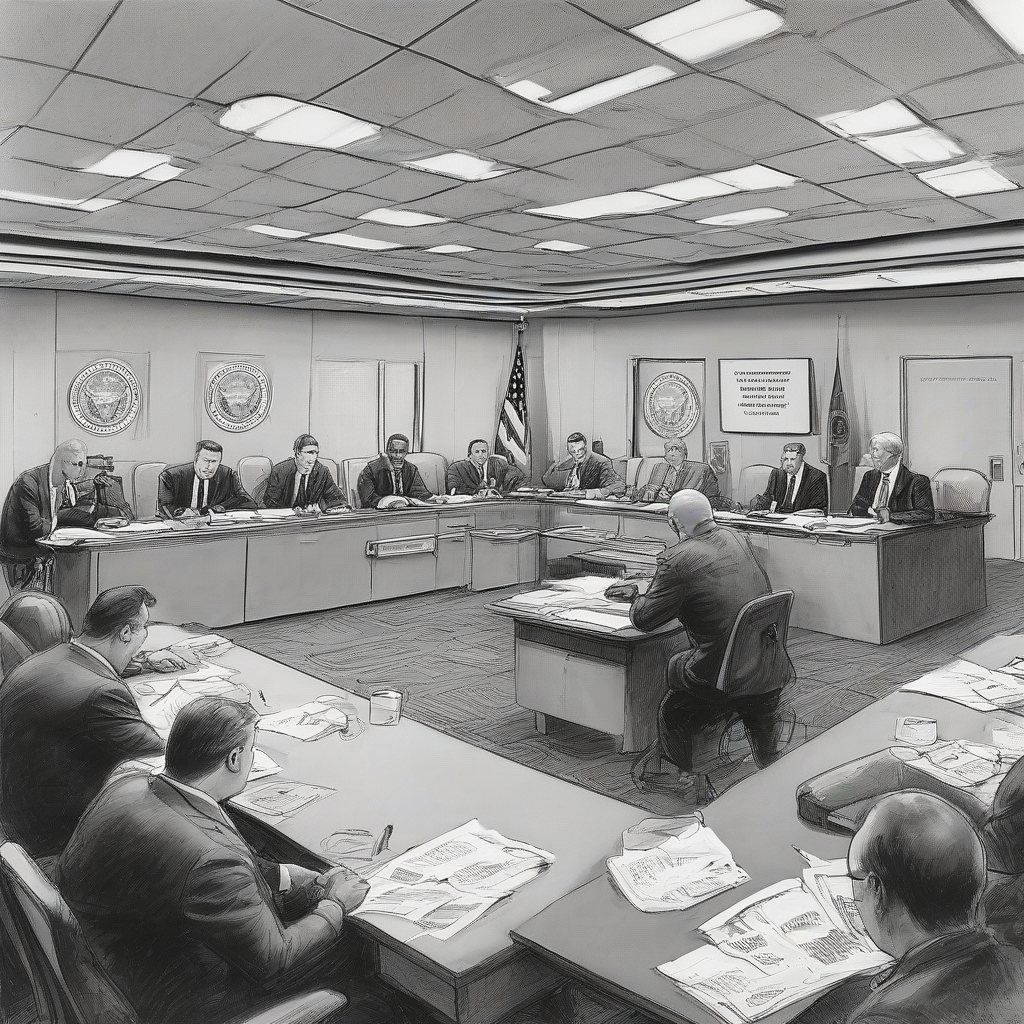

The multi-year legal campaign to hold participants accountable for the January 6 attack has reached its terminus. According to Axios, federal judges have finalized the dismissal of the last remaining indictments involving leadership figures from the Proud Boys and Oath Keepers organizations. This conclusion follows a series of administrative actions by the current executive branch, which has systematically moved to vacate convictions and drop charges that defined the post-riot legal landscape.
In a recent filing, Judge Amit Mehta formally granted the Department of Justice's request to dismiss the remaining Oath Keepers indictment. In his ruling, Judge Mehta noted that the court's role in this specific sequence of litigation is finalized, stating, "This is the last of the prosecutions seeking to hold accountable those responsible for the events of January 6. That book is now closed." Similarly, U.S. District Judge Timothy Kelly, an appointee of the president, dismissed the final Proud Boys case, though he reiterated that the January 6 events constituted an "attack on the Constitution's mechanism to facilitate the peaceful transfer of power."
The historical record remains, however. Brendan Ballou, founder of the Public Integrity Project, noted that despite the legal nullification, the evidence produced during these trials remains on the public record. Many of these figures, including Henry "Enrique" Tarrio and Stewart Rhodes, were originally convicted of seditious conspiracy before receiving various forms of clemency, including a day-one pardon for Tarrio.
| Individual | Group | Original Sentence | Status |
|---|---|---|---|
| Henry "Enrique" Tarrio | Proud Boys | 22 years | Pardoned |
| Stewart Rhodes | Oath Keepers | 18 years | Commuted |
Why It Matters
The conclusion of these prosecutions signifies a realignment of federal judicial priorities regarding domestic security and civil unrest. For the legal and corporate sectors, this shift suggests that historical reliance on DOJ enforcement to delineate the boundaries of political activism versus criminal sedition may no longer be a consistent variable in risk management assessments. Corporations operating in polarized environments must now navigate an uncertain regulatory environment where the definitions of accountability for politically charged disruptions are subject to rapid, administration-led revision, potentially impacting institutional investment and legal liability planning for years to come.
Reader Discussion & Insights