
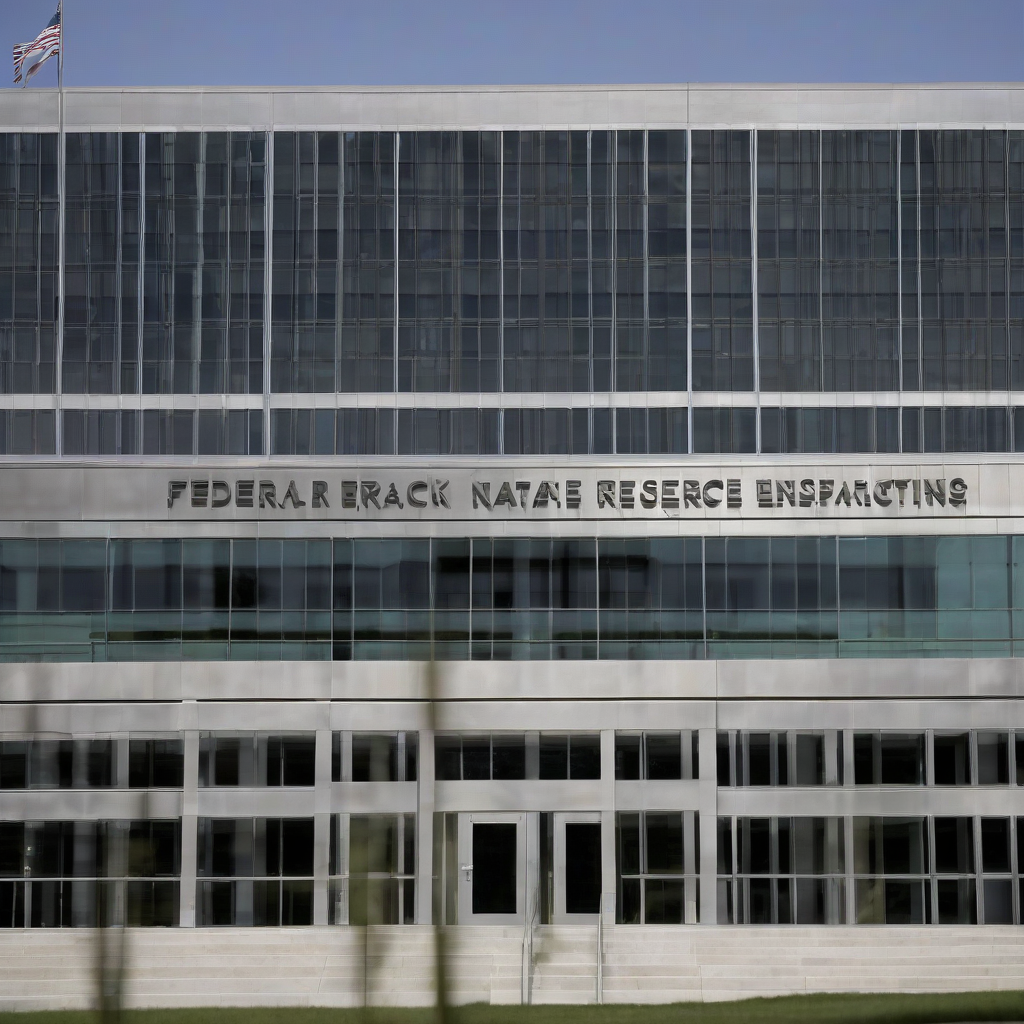
The Federal Reserve has opted to maintain current interest rates, signaling a cautious approach to ongoing inflationary pressures. According to Interest Rate News, the leadership at the central bank confirmed there is no simple mechanism available to instantly reduce high prices, reinforcing the need for sustained monetary discipline.
Current Policy Outlook
The decision to keep rates unchanged reflects the Federal Reserve's commitment to observing further economic data before adjusting policy. Officials have emphasized that incoming information regarding labor market strength and price stability will dictate the timing of future adjustments. The following summary outlines the current status of the monetary policy environment.
| Economic Indicator | Status |
|---|---|
| US Interest Rates | Held Steady |
| Primary Focus | Inflation Management |
| Policy Outlook | Data-Dependent |
By resisting premature rate changes, the Federal Reserve intends to ensure that inflationary trends continue to trend toward their long-term target, despite public frustration regarding the cost of goods and services.
Why It Matters
The decision to keep interest rates steady has profound implications for capital-intensive industries, including commercial aviation and construction. When the Federal Reserve maintains elevated rates, the cost of borrowing for fleet expansions, infrastructure upgrades, and technological integration increases significantly. Companies with high debt-to-equity ratios may face tighter margins, potentially forcing a slowdown in capital expenditure. For the broader market, this environment demands a shift from growth-at-any-cost strategies to a focus on operational efficiency and liquidity management until borrowing costs eventually stabilize.
Reader Discussion & Insights