
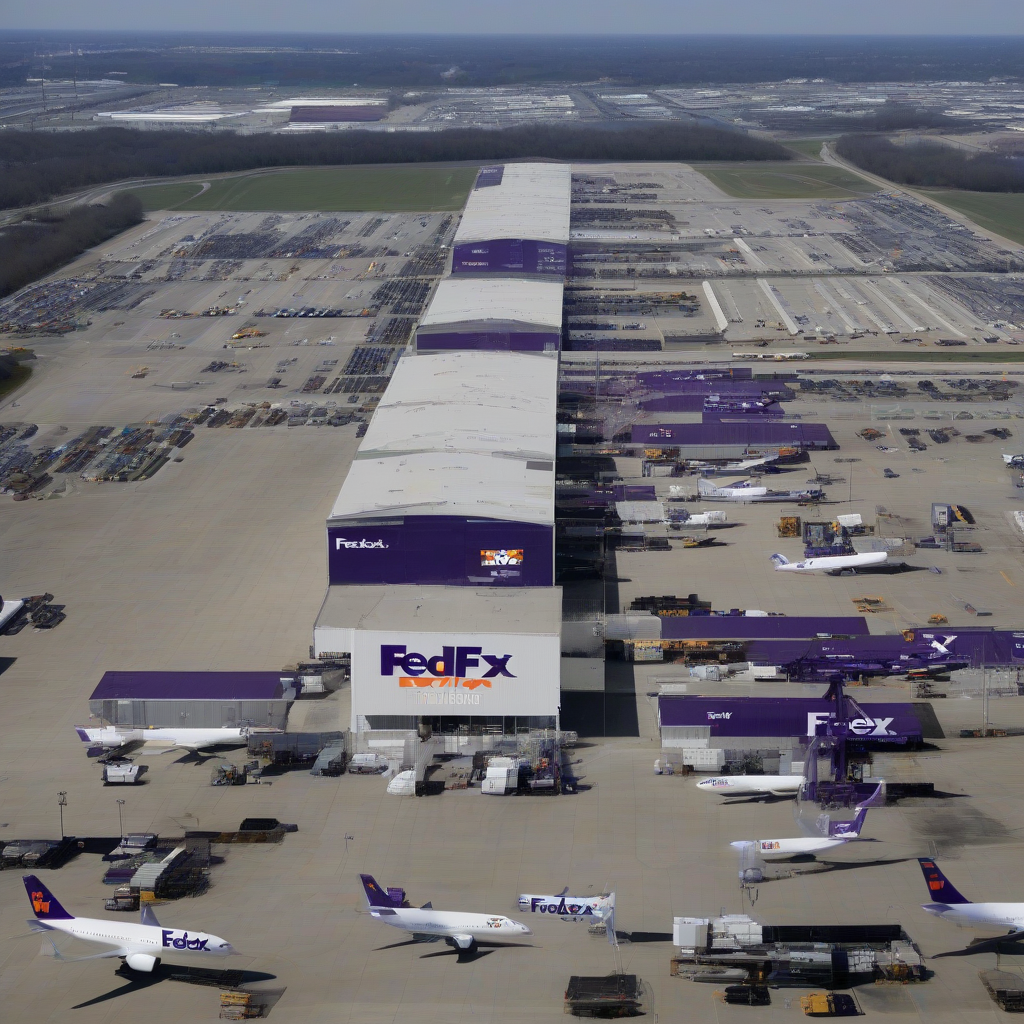

As Memphis gears up to host the FedEx Cup Playoffs, the intersection of professional golf and the city’s logistics backbone remains a focal point for the region. According to FedEx Newsroom, the organization is balancing its historical ties to the Memphis community with the requirements of a shifting global logistics market. The upcoming sporting event serves as a platform that highlights the long-standing association between the brand and the city, even as the firm evaluates its future operational footprint.
While the tournament brings attention to the headquarters city, the operational realities for the company are shaped by broader market conditions. The firm remains a primary economic engine in the Mid-South, managing complex supply chains that require precise coordination of aircraft, ground fleets, and sorting facilities.
| Focus Area | Status | Impact |
|---|---|---|
| FedEx Cup Playoffs | Upcoming | Local Economic Activity |
| Memphis Hub | Active | Global Logistics Capacity |
| Future Strategy | Evolving | Operational Adjustments |
Internal assessments shared by the company indicate that while the past has been defined by rapid expansion and centralization, the current environment necessitates a more agile approach to network management. The firm continues to monitor indicators from regulatory bodies such as the Department of Transportation (DOT) and Federal Reserve reports regarding consumer spending and trade volume, which directly influence cargo demand.
Why It Matters
The alignment of a global brand with a high-profile sporting event like the FedEx Cup Playoffs acts as a barometer for corporate stability. For the logistics sector, the Memphis hub represents a critical node in a global, time-sensitive supply chain. Any transition in how the company manages this site reflects larger trends in cargo automation and fleet modernization. As the company moves toward more efficient regional sorting, the city of Memphis must reconcile its dependence on traditional hub-and-spoke models with the firm's drive for higher margins and increased technological integration.
Reader Discussion & Insights