
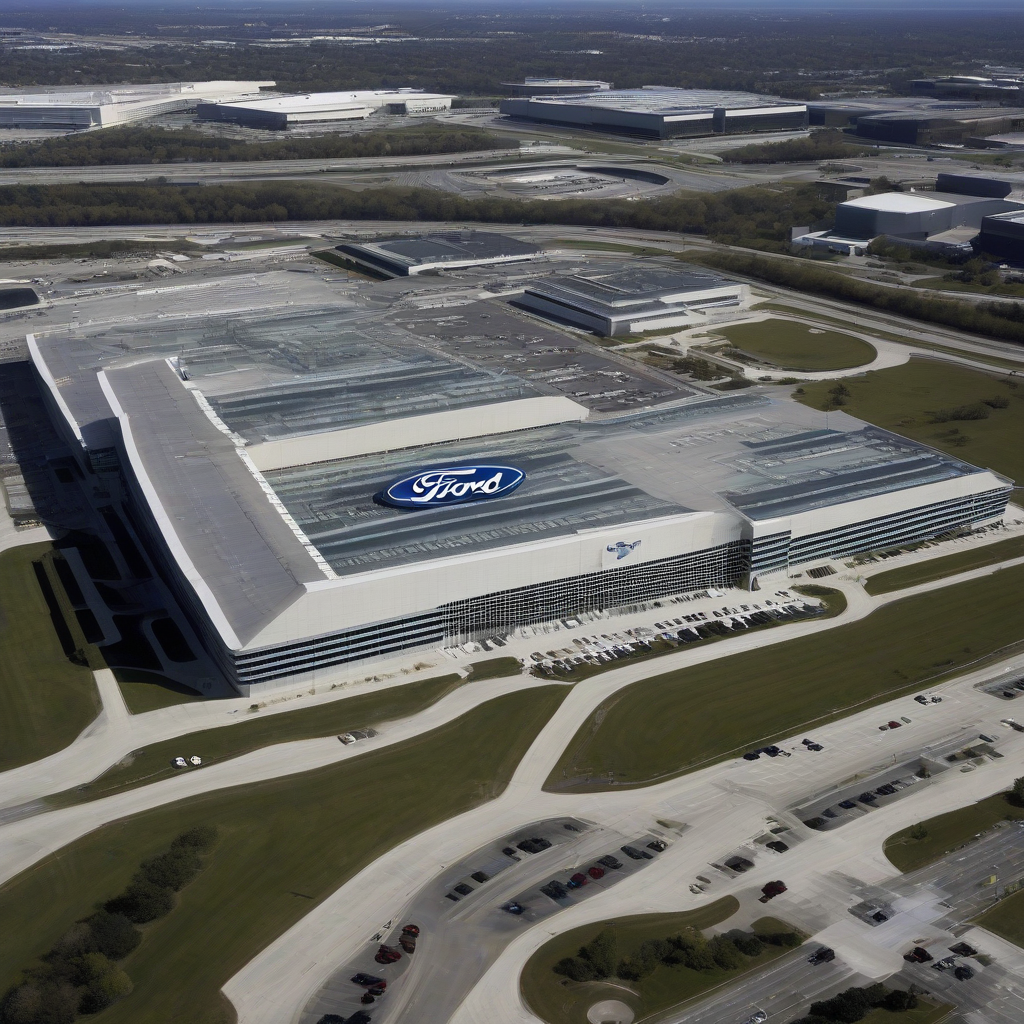

Ford Motor Company (F) has been upgraded to a Buy rating, reflecting a shift in analyst sentiment regarding the automotive giant's market trajectory according to Ford Motor and associated financial analysis. This adjustment in investment status comes as market observers evaluate the firm's current operational execution and long-term financial health within the competitive automotive sector.
Financial Overview
While specific quarterly earnings figures often influence these shifts, the current upgrade highlights a consensus adjustment among market analysts. Ford continues to balance its legacy internal combustion engine portfolio with a significant capital commitment toward electric vehicle (EV) production and proprietary software integrations. According to Ford Motor, the company remains focused on operational efficiency as it manages the cost structures associated with transitioning its fleet.
| Metric | Status |
|---|---|
| Ticker Symbol | F |
| Current Rating | Buy |
| Sector | Automotive |
Strategic Position
Regulatory filings submitted to the SEC provide insight into the company’s capital allocation strategy. Investors are closely monitoring the firm’s ability to maintain margins amidst fluctuating global raw material costs and interest rate environments. The recent upgrade serves as a key indicator of confidence in the manufacturer's ability to navigate the ongoing transition from traditional manufacturing models to software-defined mobility.
Why It Matters
The transition of traditional automotive legacy firms toward a Buy rating suggests that institutional investors are beginning to place higher value on the incremental progress of EV scaling rather than just short-term volume. This recalibration is essential for the industry as it moves toward the next fiscal period. By prioritizing modular manufacturing and software recurring revenue, companies like Ford are attempting to change their financial profile from pure manufacturing to high-margin service providers. This shift is essential for sustaining shareholder value in a high-interest-rate environment where capital expenditures are under intense scrutiny.
Reader Discussion & Insights