
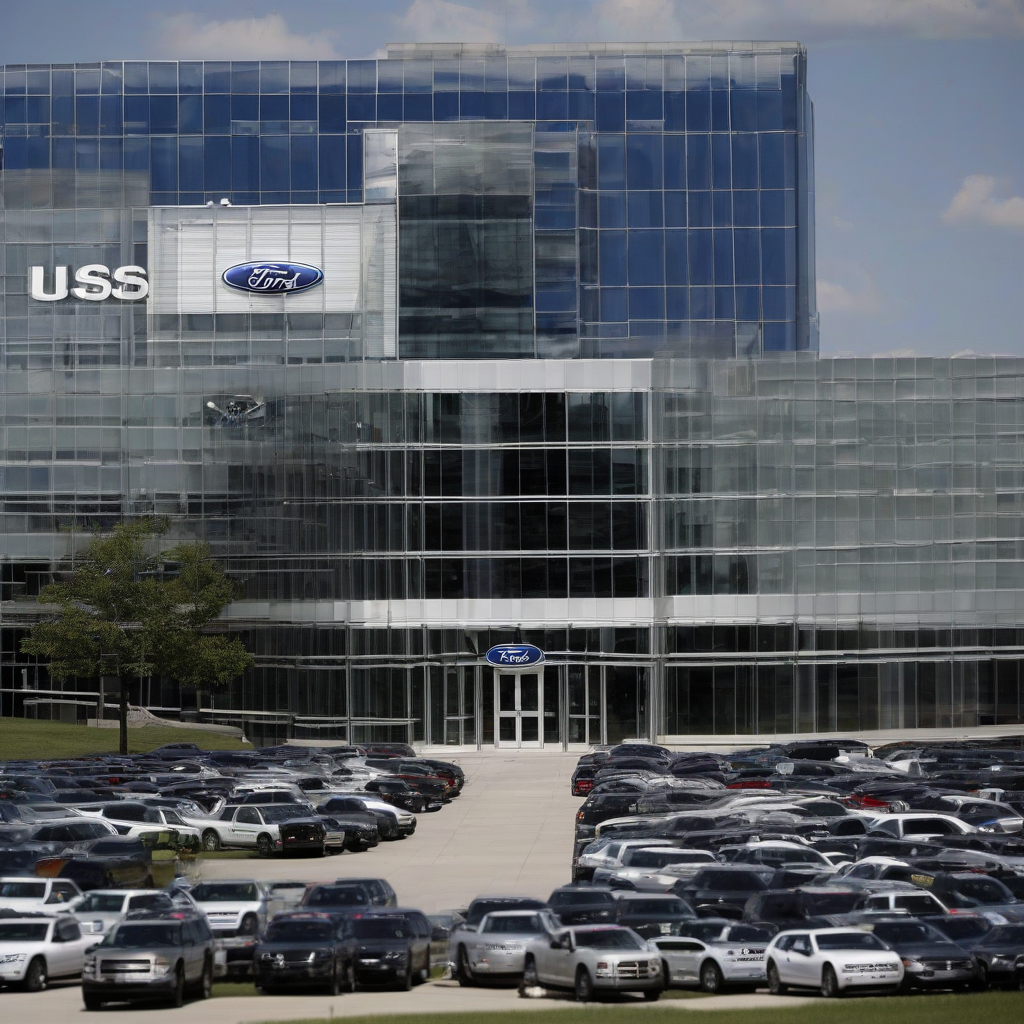
Ford Motor experienced a decline in its stock market valuation following the release of July US auto sales data, which indicated a deceleration in domestic performance. According to Ford Motor, the results reflect a challenging period for the automaker as it contends with shifting market dynamics and changing consumer preferences within the competitive American automotive sector.
The downturn in share price corresponds with broader concerns regarding the automotive industry's ability to maintain high growth rates. While specific unit volume fluctuations were not disclosed in this preliminary report, the financial markets responded with sensitivity to the reported figures. Investors have closely monitored these metrics, as Ford Motor works to align its production capacity with actual retail demand across its internal combustion and electric vehicle portfolios.
Sales Performance Metrics
| Metric Category | Observation | Source Reference |
|---|---|---|
| Reporting Period | July | Ford Motor |
| Market Region | United States | Ford Motor |
| Stock Reaction | Negative | Market Data |
Financial analysts observing the report indicate that the manufacturer is currently balancing high-interest rate environments with inventory management strategies. The official filings provided to the SEC generally outline how seasonal variance and supply chain adjustments influence monthly performance metrics. Ford Motor continues to manage its capital allocation to ensure long-term viability in an increasingly crowded market.
Why It Matters
The softening of Ford's sales figures serves as a barometer for the health of the American middle-class consumer. As the cost of debt remains high, major capital expenditures like vehicle purchases are often the first to be deferred. This trend suggests that the automotive sector is facing a correction phase, forcing manufacturers to reconsider pricing strategies and incentive programs. The broader implications include potential production cutbacks and a reevaluation of the transition speed to electric vehicle fleets, as profitability becomes prioritized over aggressive market share expansion in a constrained economy.
Reader Discussion & Insights